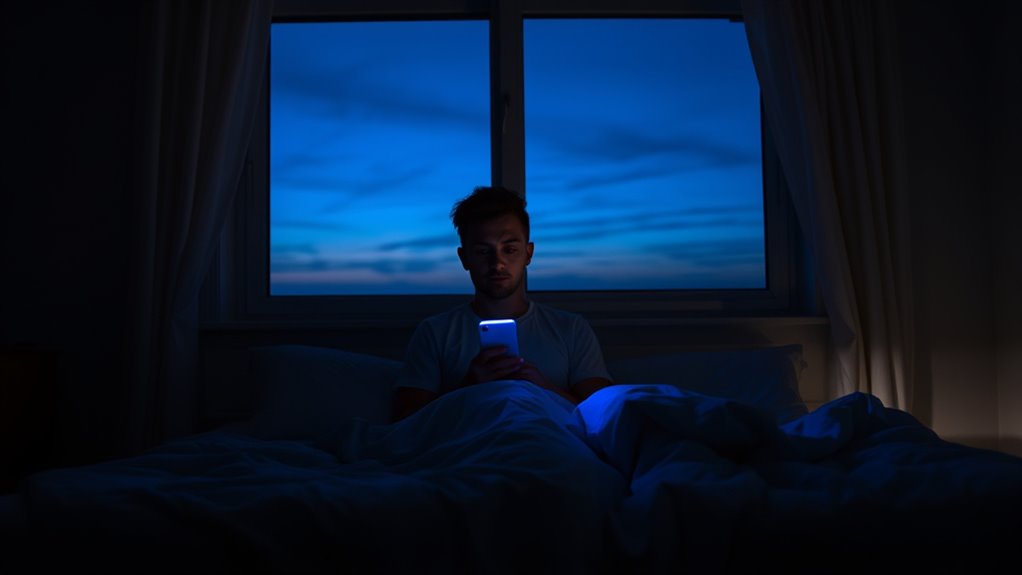

Delayed Sleep Phase Syndrome makes your internal clock run late, causing you to sleep and wake much later than normal, often struggling with early commitments. In contrast, Advanced Sleep Phase Syndrome makes your clock run early, making you fall asleep and wake up much earlier than typical hours. Recognizing the difference helps you find the right strategies to reset your sleep. Keep exploring to discover effective ways to manage your unique sleep pattern.

Get health and wellness essentials delivered free — and shop member deals
- Fast, free delivery on millions of items
- Access to Prime Big Deal Days deals on October 6–7
- Prime Video, Amazon Music and more included
Key Takeaways
- DSPS causes delayed sleep and wake times, making individuals sleep late and wake late; ASPS results in early sleep and early awakening.
- Both syndromes are types of circadian rhythm sleep disorders but differ in the timing of sleep phases.
- Proper diagnosis involves noting whether sleep onset and awakening are shifted later (DSPS) or earlier (ASPS).
- Treatment strategies differ: DSPS may improve with light exposure in the morning, while ASPS may benefit from evening light therapy.
- Recognizing whether your internal clock runs late or early helps tailor effective sleep management approaches.
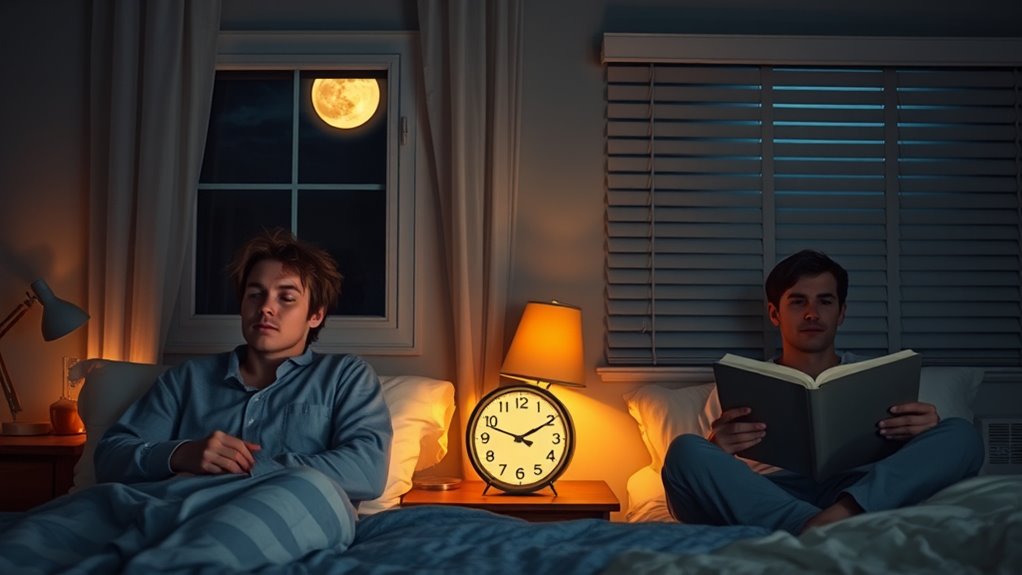
If you find yourself consistently going to bed late and waking up feeling tired, you might be dealing with Delayed Sleep Phase Syndrome (DSPS). This condition disrupts your natural sleep cycle, making it hard to fall asleep at a normal hour and wake up refreshed. Your circadian rhythm, the internal biological clock that regulates sleep-wake patterns, is out of sync with the societal schedule. To combat this, improving your sleep hygiene is essential. Good sleep hygiene involves establishing consistent sleep and wake times, avoiding caffeine or screens before bedtime, and creating a calming bedtime routine. When your circadian rhythm is delayed, these habits can help reset your internal clock gradually, making it easier to fall asleep earlier and wake up feeling more rested.
If you sleep late and wake tired, improving your sleep hygiene can help reset your circadian rhythm naturally.
The core issue with DSPS is that your internal clock runs late, so your body naturally wants to sleep later and wake up later than typical schedules demand. This makes it challenging to align with societal expectations like early work or school start times. You might find yourself staying awake into the early morning hours and struggling to get up when your alarm rings. Over time, this misalignment can lead to sleep deprivation, mood disturbances, and difficulty concentrating. Managing DSPS involves not just good sleep hygiene but also strategic light exposure. Bright morning light can help advance your circadian rhythm, making you feel sleepy earlier in the evening. Conversely, limiting exposure to bright screens and artificial light in the evening supports your body’s natural tendency to wind down. Additionally, understanding your biological clock can help you develop more effective strategies for adjustment.
Addressing DSPS isn’t just about habits; it’s about understanding your body’s internal clock. You may need to gradually shift your sleep schedule by adjusting your bedtime and wake time in small increments, like 15 minutes earlier every few days. Consistency is key, so sticking to the same schedule even on weekends reinforces your efforts. In some cases, clinicians might recommend timed light therapy or, in more severe cases, melatonin supplements to help reset your circadian rhythm. Remember, patience and persistence are vital because changing your internal clock takes time.
In contrast, advanced sleep phase syndrome (ASPS) causes you to feel sleepy early in the evening and wake up very early in the morning. While DSPS delays sleep, ASPS causes you to sleep prematurely. Recognizing the difference helps you tailor your approach: for DSPS, your goal is to shift your sleep later; for ASPS, it’s to delay sleep onset and waking times. Both conditions involve misalignments in your circadian rhythm but require different strategies. Ultimately, understanding your internal clock and practicing good sleep hygiene can help you regain control over your sleep patterns, no matter whether your clock runs late or early.
light therapy lamp for circadian rhythm
As an affiliate, we earn on qualifying purchases.
As an affiliate, we earn on qualifying purchases.
Frequently Asked Questions
Can These Syndromes Be Cured Without Medication?
Yes, you can often improve these syndromes without medication through behavior modification and good sleep hygiene. Establish consistent sleep and wake times, limit screen time before bed, and create a relaxing nighttime routine. Avoid caffeine and heavy meals late in the day. By actively adopting these habits, you can shift your sleep schedule gradually, making it easier to align with your desired sleep times without needing medication.
Are There Specific Age Groups More Affected by These Conditions?
You’re more likely to notice delayed or advanced sleep phase syndrome in adolescents and the elderly. Adolescents’ sleep patterns often shift later, making delayed sleep phase common, while elderly individuals tend to have earlier sleep times, leading to advanced sleep phase. Age influences these conditions because of biological changes, hormonal shifts, and lifestyle factors. Recognizing these age-related patterns helps you understand why these syndromes are more prevalent in these groups.
How Do Lifestyle Changes Influence Sleep Phase Syndromes?
Imagine transforming your sleep struggles—lifestyle changes can do that. You might find improving sleep hygiene by sticking to a consistent schedule, avoiding screens before bed, and creating a relaxing routine helpful. Light therapy, timed exposure to bright light, can reset your internal clock, especially for delayed or advanced sleep phase syndromes. These tweaks could be your secret weapon, gradually shifting your sleep phase and restoring restful nights.
Do These Syndromes Impact Mental Health Long-Term?
Yes, these sleep phase syndromes can impact your mental health long-term. You might experience increased risks of depression, anxiety, and mood swings if your sleep patterns stay misaligned over time. Poor sleep quality can also impair cognitive function and emotional regulation. Addressing these issues early by adjusting your sleep schedule and seeking professional help can reduce potential long-term mental health implications. Don’t ignore persistent sleep difficulties—they can affect your overall well-being.
Can Athletes Benefit From Adjusting Their Sleep Phases?
Imagine waking up energized, your body perfectly aligned with the sun’s rhythm—that’s what adjusting your sleep phase can do. For athletes, overcoming circadian misalignment boosts athletic performance by sharpening focus, increasing endurance, and speeding recovery. By fine-tuning your internal clock, you can release peak performance at the right time, turning your sleep schedule into a secret weapon. Don’t wait—your best performance might just depend on it.
As an affiliate, we earn on qualifying purchases.
Conclusion
Understanding whether you have delayed or advanced sleep phase syndrome can feel like trying to decode your own biological clock, but now you’re armed with knowledge. Remember, your sleep patterns are uniquely yours—ignoring them can turn your life into chaos, like trying to steer a ship through a storm without a compass. Recognizing these syndromes helps you regain control, so you can wake up refreshed and ready to conquer the day—because your sleep shouldn’t run your life, you should run it.
As an affiliate, we earn on qualifying purchases.
alarm clock with gradual wake-up
As an affiliate, we earn on qualifying purchases.
As an affiliate, we earn on qualifying purchases.
Fall Picks
fall essentials
As an affiliate, we earn on qualifying purchases.