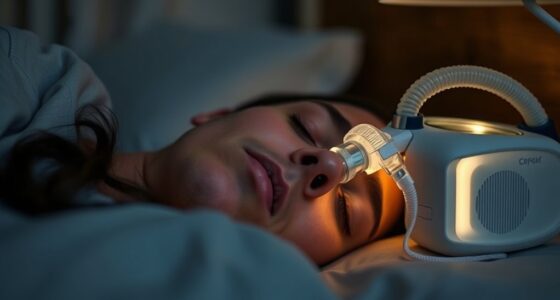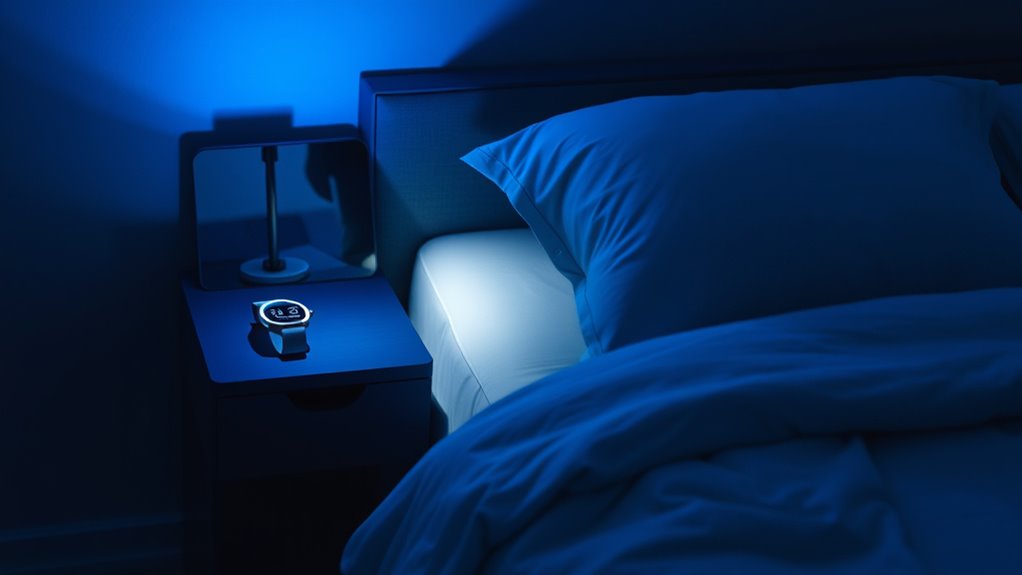

If you become obsessed with tracking your sleep, it can lead to increased anxiety and disturb your mental well-being. Constantly monitoring sleep patterns might make you focus more on perceived poor sleep rather than how rested you actually feel. This fixation can create a cycle of worry that worsens sleep quality. Recognizing that normal sleep includes fluctuations is essential. Keep exploring to understand how balancing your approach can improve both sleep and mental health.

Get health and wellness essentials delivered free — and shop member deals
- Fast, free delivery on millions of items
- Access to Prime Big Deal Days deals on October 6–7
- Prime Video, Amazon Music and more included
Key Takeaways
- Obsessive sleep tracking can lead to increased anxiety, disrupting natural sleep patterns and creating a cycle of poor sleep and worry.
- Fixating on sleep metrics may cause misinterpretation of normal variations as problems, fueling further obsession.
- Sleep anxiety from constant monitoring can activate stress responses, impairing sleep quality and perpetuating the obsession.
- Recognizing that occasional sleep fluctuations are normal helps prevent rigid beliefs and reduces mental health strain.
- Focusing on overall well-being and how rested you feel is more beneficial than obsessively tracking sleep data.

If you’ve ever become obsessed with getting perfect sleep, you’re not alone. Many people focus intensely on their sleep hygiene, trying to optimize every aspect—from room temperature to bedtime routines—believing that perfect sleep is essential for overall well-being. But when this focus turns into constant monitoring and anxiety, it can lead to a problematic cycle. Tracking sleep with gadgets or apps might seem helpful at first, offering insights into your sleep patterns. However, for some, it becomes an obsession, fueling worries about every restless night or brief awakening. This obsession doesn’t just affect your sleep; it can also hurt your mental health, creating a feedback loop of stress and sleep deprivation.
Obsession with perfect sleep can harm mental health and create a stressful cycle.
When you become fixated on sleep metrics, you may start to interpret normal sleep fluctuations as failures. A bad night might be seen as evidence that your sleep hygiene isn’t good enough, leading to increased anxiety about future sleep. Over time, this anxiety can make it even harder to fall asleep or stay asleep, as stress and worry activate your sympathetic nervous system. Instead of resting, your mind races with thoughts of “Why am I not sleeping well?” or “What am I doing wrong?” This mental state, often called sleep anxiety, worsens your sleep quality and perpetuates the cycle of obsession.
Moreover, this preoccupation with sleep tracking can distort your perception of what healthy sleep looks like. You might start to believe that only a certain amount of sleep is acceptable or that every waking moment during the night is a failure. Such rigid beliefs can undermine your mental health, causing feelings of frustration, helplessness, or even depression. Sleep is naturally variable, and some nights will be better than others; obsessing over every detail ignores this reality. Instead, it’s important to focus on maintaining good sleep hygiene—consistent bedtimes, limiting screen time before bed, avoiding caffeine—and accepting that occasional poor sleep is normal. Incorporating high-quality projectors into your sleep environment, such as using blackout screens or ambient lighting, can also help create a more conducive setting for rest.
In the end, the key is to balance your desire for quality sleep with a healthy mindset. Recognize that sleep tracking tools are just guides, not definitive judgments on your health. If you find yourself spiraling into anxiety or obsession, it might be time to step back and prioritize mental health over perfection. Remember, good sleep isn’t just about numbers; it’s about how rested and functional you feel during the day. Maintaining this perspective can help you break free from sleep obsession and foster a healthier relationship with rest.
As an affiliate, we earn on qualifying purchases.
Frequently Asked Questions
Can Orthosomnia Affect People Without Sleep Disorders?
Yes, orthosomnia can affect people without sleep disorders. When you become obsessed with tracking your sleep, it can lead to psychological impacts like anxiety and stress, which worsen your sleep quality. You might start doubting your sleep data or feel frustrated, creating a cycle that makes restful sleep harder to achieve. This obsession can disturb your mental well-being and ultimately harm your overall sleep health, even if you initially had no issues.
Are There Specific Sleep Trackers Linked to Orthosomnia?
Some sleep trackers, like certain smartwatches and apps, are linked to orthosomnia because their accuracy and reliability can be misleading. You might obsess over data from devices that overstate or understate your sleep quality, fueling frustration and anxiety. If you rely heavily on these trackers, especially ones with questionable accuracy, you risk developing or worsening orthosomnia. Always remember, no device can perfectly measure sleep, so don’t let technology dictate your well-being.
How Common Is Orthosomnia in the General Population?
You might be surprised, but the obsession prevalence with sleep tracking varies widely, and precise data is limited. While not extremely common, some studies suggest a small percentage of the population develops orthosomnia due to over-monitoring sleep data. If you find yourself constantly checking your sleep tracker and feeling anxious about your sleep quality, you could be experiencing this obsession. Being aware helps you maintain a healthy balance and avoid unnecessary stress.
What Are Effective Strategies to Overcome Sleep-Tracking Obsession?
Imagine releasing the tight grip on your sleep data, replacing obsession with calm. You can do this by practicing mindfulness meditation to reduce anxiety and adopting cognitive behavioral therapy techniques to challenge negative thoughts about sleep. Set designated times to check your sleep tracker, then put it away. Focus on relaxing activities before bed, and remind yourself that perfect sleep isn’t always necessary for well-being.
Is Professional Help Necessary for Severe Orthosomnia Cases?
Yes, professional help can be necessary for severe orthosomnia cases. You might benefit from psychological intervention, such as cognitive-behavioral therapy, to address underlying anxieties and maladaptive sleep beliefs. A behavioral therapy approach can help you develop healthier sleep habits and reduce obsession with sleep tracking. If your sleep issues persist or worsen, seeking expert guidance guarantees you receive tailored support to break the cycle and improve your overall sleep quality.
As an affiliate, we earn on qualifying purchases.
Conclusion
Remember, obsessing over every minute of sleep can trap you in a relentless maze, turning peaceful nights into sleepless prisons. Your quest for perfect rest can become a thief, stealing comfort and peace from your mind. Instead of chasing an elusive ideal, embrace gentle acceptance. Let your sleep unfold naturally, like a calming tide, and free yourself from the chains of obsession. Sometimes, the best rest comes when you stop trying so hard to control it.
As an affiliate, we earn on qualifying purchases.
As an affiliate, we earn on qualifying purchases.
Evergreen bestsellers Picks
bestsellers
As an affiliate, we earn on qualifying purchases.