

To fall asleep naturally without medication, establish a calming bedtime routine like journaling, gentle stretching, or deep breathing to relax your mind. Make your bedroom sleep-friendly by keeping it cool, dark, and clutter-free. Try herbal teas such as chamomile or valerian root, and practice mindfulness or meditation to reduce stress. Incorporate gentle physical activities during the day to promote fatigue. For more effective sleep tricks, explore the helpful techniques laid out ahead.
Key Takeaways
- Establish a calming bedtime routine, including journaling, reading, or gentle stretching, to signal your body that it’s time to sleep.
- Create a sleep-friendly environment with dim lighting, comfortable bedding, and optimal room temperature to enhance relaxation.
- Practice relaxation techniques such as deep breathing, meditation, or mindfulness exercises to reduce stress and quiet the mind.
- Use natural sleep aids like herbal teas (chamomile, valerian root) and supplements (melatonin) to support sleep onset.
- Engage in gentle physical activities like yoga or tai chi during the day to release tension and promote better sleep at night.

Luxmi Estates Organic Valerian Root, Chamomile, & Lavender Loose Leaf Tea 50g/1.76oz (25 cups) for Sleep | Caffeine Free Wellness Sleep Tea
- Herbal Sleep Blend: Valerian, chamomile, lavender, rose, peppermint
- Organic & Caffeine-Free: USDA certified organic, vegan, non-GMO
- Pure & Natural Ingredients: No fillers, artificial flavors, colors, preservatives, or sugar
As an affiliate, we earn on qualifying purchases.
As an affiliate, we earn on qualifying purchases.
Establishing a Relaxing Bedtime Routine

Creating a relaxing bedtime routine can considerably improve your sleep quality. One effective method is dream journaling, which helps clear your mind and promotes relaxation before bed. Writing down your dreams or thoughts from the day can reduce anxiety and improve your sleep schedule by establishing a consistent wind-down habit. Aim to go to bed and wake up at the same time each day, even on weekends, to regulate your internal clock. Avoid screens and stimulating activities at least an hour before sleep. Instead, engage in calming activities like reading or gentle stretching. This routine signals to your body that it’s time to wind down, making it easier to fall asleep naturally and improve overall sleep quality. Incorporating simple systems can make maintaining this routine more manageable and sustainable. Using relaxation techniques such as deep breathing or meditation can further enhance your ability to fall asleep peacefully, especially when combined with sleep hygiene practices that foster a healthy sleep environment. Paying attention to light exposure during the day can help reinforce your circadian rhythm, making it easier to fall asleep at night. Additionally, maintaining a consistent sleep environment by controlling noise and temperature can support your sleep efforts.
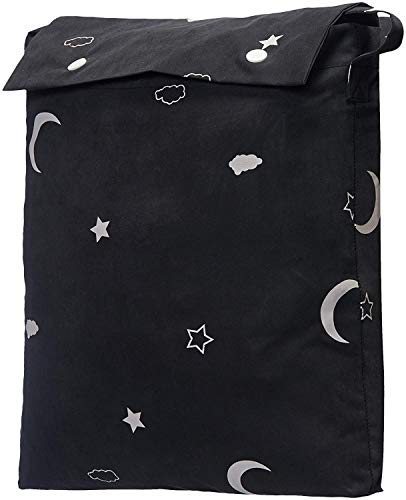
Amazon Basics Portable Room Darkening Blackout Curtain Shade with Suction Cups, Noise Reduction, 50"W x 78"L, Moon and Stars, 1-Pack
- Energy Saving: Insulating blackout curtain barrier
- Noise Reduction: Reduces outside noise
- Customizable Fit: Adjustable with Velcro tabs
As an affiliate, we earn on qualifying purchases.
As an affiliate, we earn on qualifying purchases.
Creating a Sleep-Friendly Environment

Have you considered how your sleep environment affects your ability to rest? A sleep-friendly setup can make a big difference. Start by adjusting your bedroom lighting: use dim lights or blackout curtains to promote melatonin production. Next, focus on mattress comfort—choose a mattress that supports your body and alleviates pressure points. Then, guarantee your room temperature stays cool and comfortable, ideally between 60-67°F (15-19°C). Finally, keep your space tidy and free of distractions, such as electronics or clutter, to create a calm atmosphere. These small changes can notably improve your sleep quality by creating an environment that signals your body it’s time to rest and relax. Additionally, incorporating air quality improvements like air purifiers can help reduce allergens and pollutants, further supporting restful sleep. Ensuring proper air circulation can also prevent the buildup of indoor pollutants and maintain a fresh environment, which is essential for sleep hygiene. Improving indoor ventilation systems is another effective way to enhance overall sleep quality by maintaining a healthy sleep environment.

YnM 15lbs Weighted Blanket for Adults, Heavy Bed Throw Blanket with Cooling Glass Beads for All Season Use, Ideal for ~140lbs (48×72 Inches, Twin/Full, Dark Grey)
- Small 2×2 Inch Compartments: Secure duvet cover with 16 loops
- 7-Layer Adaptive Design: Contours to body for comfort and temperature regulation
- Cooling Glass Beads: Enhanced temperature control for hot sleepers
As an affiliate, we earn on qualifying purchases.
As an affiliate, we earn on qualifying purchases.
Incorporating Natural Sleep Aids and Herbs

Incorporating natural sleep aids and herbs can be a simple way to improve your rest. Herbal teas like chamomile and valerian root offer calming benefits, while popular herbs such as lavender promote relaxation. To get the most out of supplements, choose quality products and follow recommended dosages carefully. Additionally, creating a peaceful, sleep environment free of distractions can enhance the effectiveness of these remedies.
Herbal Tea Benefits
Herbal teas have been cherished for centuries as natural remedies for promoting relaxation and sleep. Drinking these teas offers numerous herbal tea benefits, especially when you include sleep enhancing herbs. First, they help calm your nervous system, making it easier to unwind. Second, they can reduce stress and anxiety, creating a peaceful mindset before bed. Third, herbal teas gently elevate melatonin levels, supporting your body’s natural sleep cycle. Lastly, they hydrate you, preventing dehydration that may interfere with restful sleep. Popular sleep enhancing herbs like chamomile, valerian root, lemon balm, and passionflower are often used in teas for their calming properties. Incorporating these teas into your nightly routine can promote a more natural, medication-free path to better sleep. Additionally, selecting high-quality herbal ingredients can maximize their effectiveness and ensure safety. Using natural sleep aids like herbal teas can be a gentle yet effective way to improve sleep quality without reliance on medications. Incorporating relaxation techniques alongside herbal teas can further enhance their sleep-promoting effects. Moreover, choosing teas with proper preparation methods ensures you receive the full benefits of the herbs.
Popular Sleep Herbs
Many natural sleep aids and herbs are known for their ability to promote restful nights without relying on medication. These herbs often undergo herbal extraction, which concentrates their active compounds, making them more effective. Popular sleep herbs like valerian root, passionflower, and chamomile are cultivated through careful plant cultivation to ensure quality and potency. When choosing these herbs, look for products that specify herbal extraction methods, as this can impact their efficacy. Additionally, the quality of plant cultivation process influences the herb’s effectiveness, so opt for reputable sources. Proper cultivation practices can also enhance the herbal potency, ensuring you get the most benefit from natural sleep aids. Moreover, understanding the extraction methods used can help you select the most effective products for your needs. The choice of herbal preparation techniques can further influence how well these herbs work for sleep. Being aware of standardized herbal extracts can also ensure consistency and reliability in the herbal remedies you choose. By understanding these basics, you can select the best natural sleep herbs to support your restful sleep.
Natural Supplement Tips
To effectively incorporate natural sleep aids and herbs into your routine, start by selecting high-quality products from reputable sources that specify herbal extraction methods. Once you have your supplements, consider these tips:
- Use melatonin supplements 30-60 minutes before bedtime to help regulate your sleep cycle.
- Incorporate valerian root, either as a tea or capsule, to promote relaxation and reduce sleep latency.
- Stick to the recommended dosages to avoid potential side effects or dependency.
- Combine supplements with calming bedtime rituals, like deep breathing or reading, to enhance their effectiveness.
- Be aware of the science behind sleep technology, which can inform your choices and help support your natural sleep efforts.
- Understanding net worth growth hacks can guide you in investing in health-related assets or supplements to sustain your wellness journey.
- Choosing a quiet, comfortable sleeping environment aligns with the importance of scenic views and natural surroundings in creating a conducive space for restful sleep.
- Recognizing the success journeys of public figures can motivate you to develop consistent sleep habits and prioritize self-care.

Magicteam Sound White Noise Machine with 20 Non Looping Natural Soothing Sounds and Memory Function 32 Levels of Volume Powered by AC or USB and Sleep Sound Timer Therapy for Baby Kids Adults
- 20 Non-Looping Soothing Sounds: Includes white, brown, pink, blue noise, and nature sounds
- Adjustable Volume & Timer: 32 volume levels and multiple timer options
- Portable & Compact Design: Small size for home, office, or travel use
As an affiliate, we earn on qualifying purchases.
As an affiliate, we earn on qualifying purchases.
Practicing Mindfulness and Meditation Techniques
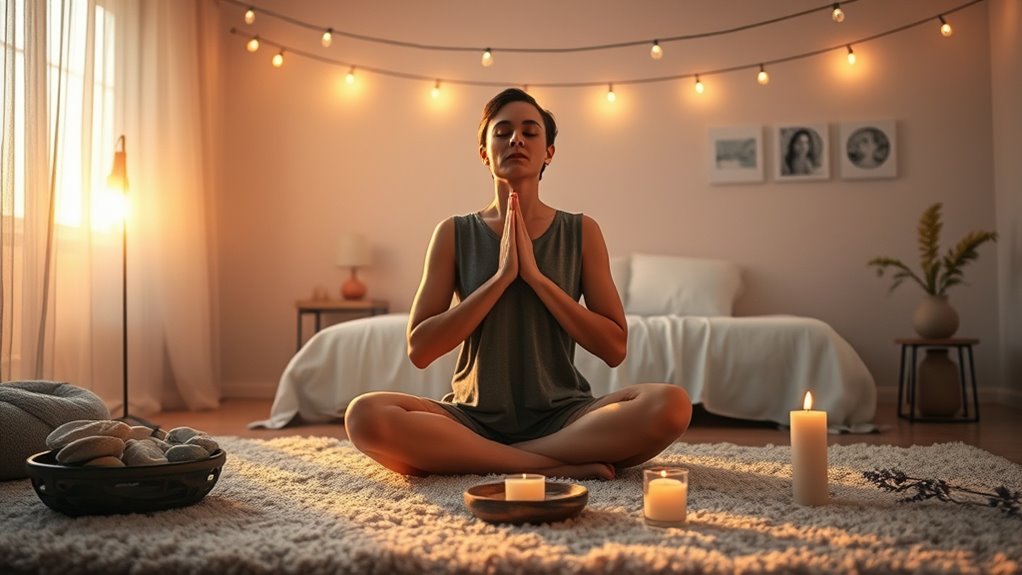
Practicing mindfulness and meditation techniques can substantially improve your ability to fall asleep naturally. Engaging in mindfulness exercises helps you stay present, reducing racing thoughts that keep you awake. Incorporate simple practices like focusing on your breath or observing sensations in your body to calm your mind before bed. Meditation practices, such as guided imagery or body scans, can lower stress levels and promote relaxation. These techniques don’t require special equipment and can be done in just a few minutes each night. Consistent practice builds habits that support restful sleep. By integrating mindfulness and meditation into your nightly routine, you create a peaceful mental environment, making it easier to drift off without relying on medication.
Managing Stress Through Breathing Exercises
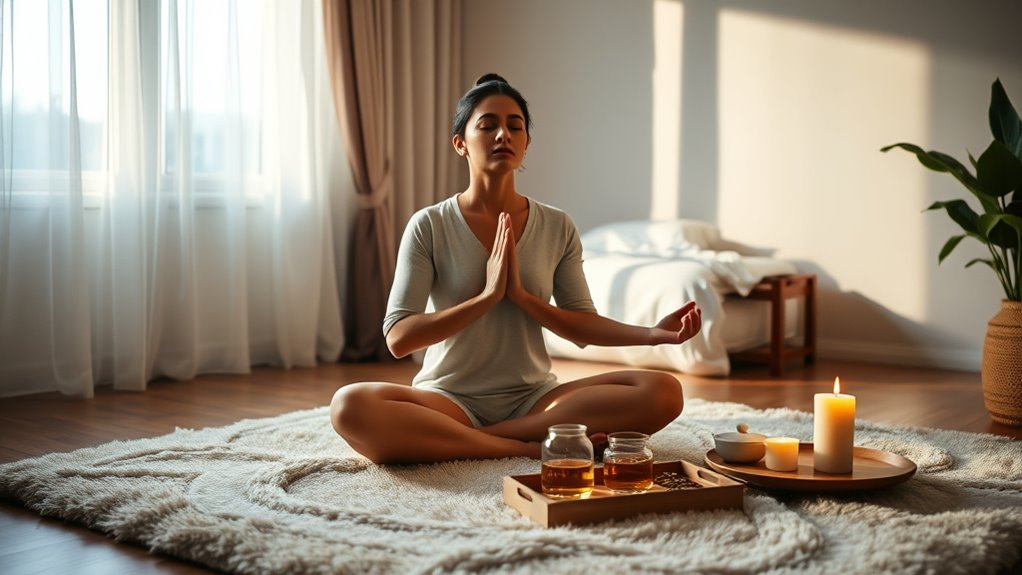
When stress starts to build up before bedtime, focusing on your breathing can help calm your mind and body. Deep breathing, especially diaphragmatic breathing, is effective in reducing tension. To practice:
- Find a comfortable position and place one hand on your chest, the other on your belly.
- Inhale slowly through your nose, allowing your diaphragm to expand and your belly to rise.
- Exhale gently through your mouth, feeling your belly fall.
- Repeat this cycle, maintaining a steady, relaxed rhythm for several minutes.
This technique helps activate your parasympathetic nervous system, promoting relaxation. Regularly practicing deep, diaphragmatic breathing can ease stress and create a peaceful state conducive to falling asleep naturally.
Adjusting Daily Lifestyle Habits for Better Sleep

Adjusting your daily lifestyle habits can considerably improve your sleep quality. Start by making diet modifications, such as reducing caffeine and sugar intake, especially in the afternoon and evening. Eating balanced meals earlier in the day helps regulate your body’s internal clock and prevents disruptions at night. Incorporate more daytime activity by engaging in regular physical movement, like walking or light chores, which promotes fatigue and enhances sleep drive. Avoid excessive napping or irregular sleep schedules, as these can throw off your body’s rhythm. Consistency is key; try to wake up and go to bed at the same times daily. These small adjustments create a healthier routine, making it easier to fall asleep naturally and enjoy restorative sleep.
Exploring Gentle Physical Activities to Promote Rest
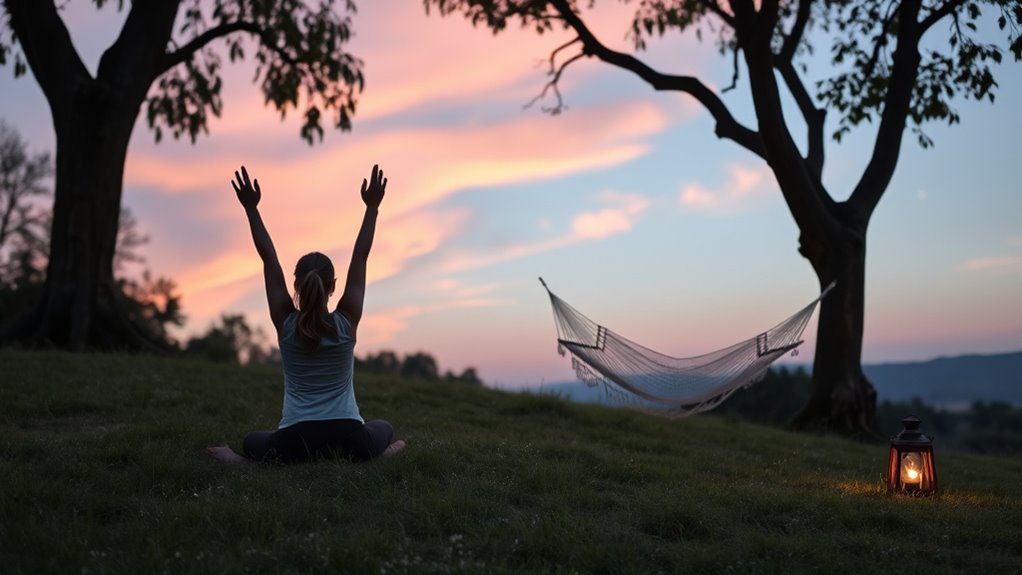
Engaging in gentle physical activities before bedtime can markedly enhance your ability to relax and fall asleep naturally. Activities like gentle yoga and tai chi help calm your mind and release tension. Here are four effective options:
Gentle yoga and tai chi before bed boost relaxation and improve sleep naturally.
- Practice slow, mindful yoga poses that focus on breathing and flexibility.
- Perform tai chi movements to promote balance and gentle muscle relaxation.
- Incorporate deep breathing exercises during these activities to deepen relaxation.
- Keep movements soft and deliberate, avoiding high-impact or vigorous routines.
These activities activate your parasympathetic nervous system, encouraging rest and recovery. They also help clear your mind of stress and promote a peaceful shift into sleep. Consistently practicing gentle yoga or tai chi before bed can greatly improve your sleep quality over time.
Frequently Asked Questions
Can Diet Affect My Ability to Fall Asleep Naturally?
Yes, your diet impact can influence your ability to fall asleep naturally. Nutritional factors like consuming caffeine or heavy meals close to bedtime can disrupt your sleep cycle. Opt for lighter, sleep-friendly foods such as bananas, almonds, or herbal teas. Staying hydrated and avoiding processed foods also helps. By making mindful dietary choices, you support your body’s natural sleep process and improve your chances of falling asleep easily without medication.
How Long Does It Typically Take to See Improvements With Natural Remedies?
Oh, patience must be your new best friend! Usually, you’ll start noticing improvements within a couple of weeks, but timing expectations vary. Keep symptom tracking handy—note how you sleep and any changes. Consistency is key; some see quick results, others a bit slower. Stick with your routine, give it time, and watch as your sleep quality gradually improves—because good things come to those who wait, even in sleep land.
Are There Any Risks Associated With Herbal Sleep Aids?
Herbal sleep aids can be safe if you watch for herbal interactions and follow dosage safety guidelines. However, risks include potential interactions with medications or underlying health conditions, which can cause side effects or reduce effectiveness. Always consult a healthcare professional before starting any herbal supplement, especially if you’re taking other medications or have health concerns. Staying informed about proper dosages helps minimize risks and guarantees safe use.
How Can I Tell if My Sleep Issues Are Caused by Underlying Health Conditions?
Like Sherlock Holmes investigating clues, you can identify if sleep issues stem from health conditions by paying attention to your symptoms. Schedule medical evaluations to rule out underlying issues, and keep detailed symptom tracking to notice patterns. If you experience persistent fatigue, pain, or other concerning signs, consult a healthcare professional promptly. These steps help distinguish simple insomnia from signals of a deeper health problem, guiding appropriate treatment.
What Are Some Signs That I Need Professional Sleep Help?
If you notice significant sleep pattern changes or persistent daytime fatigue, it’s time to seek professional help. These signs indicate your sleep issues may be more serious and require expert evaluation. Don’t ignore continued trouble falling asleep, staying asleep, or feeling exhausted despite enough rest. Consulting a sleep specialist can identify underlying issues and help you develop effective treatment options for better sleep and overall health.
Conclusion
By trying these natural remedies, you can transform your bedtime into a peaceful retreat, like a calm lake at dawn. Consistency and patience are your best allies on this journey to better sleep. Remember, small changes add up—making it easier to fall asleep without medication. With a little effort, you’ll find yourself drifting off naturally, waking up refreshed and ready to face the day. Sweet dreams are within your reach—just like catching a gentle breeze on a warm evening.