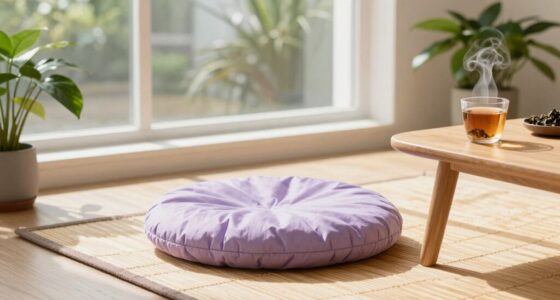
Having good sleep hygiene means adopting habits and creating an environment that support restful, undisturbed sleep each night. You should keep your bedroom cool, dark, and free from distractions, while also sticking to a consistent sleep schedule. Avoid heavy meals and caffeine close to bedtime, and develop relaxing pre-sleep routines. Paying attention to physical comfort and airflow also helps improve sleep quality. If you want to learn how to optimize your sleep even further, there’s more to discover.

Get health and wellness essentials delivered free with Prime
- Fast, free delivery on millions of items
- Prime Video, Amazon Music and more included
- Member-only deals all year
Key Takeaways
- Maintaining a consistent sleep schedule supports your body’s natural circadian rhythm.
- Creating a comfortable, dark, and quiet sleep environment enhances sleep quality.
- Establishing relaxing pre-sleep routines signals your body to prepare for rest.
- Avoiding stimulants like caffeine and heavy meals before bed prevents sleep disruptions.
- Practicing good sleep hygiene involves habits that promote uninterrupted, restorative sleep.
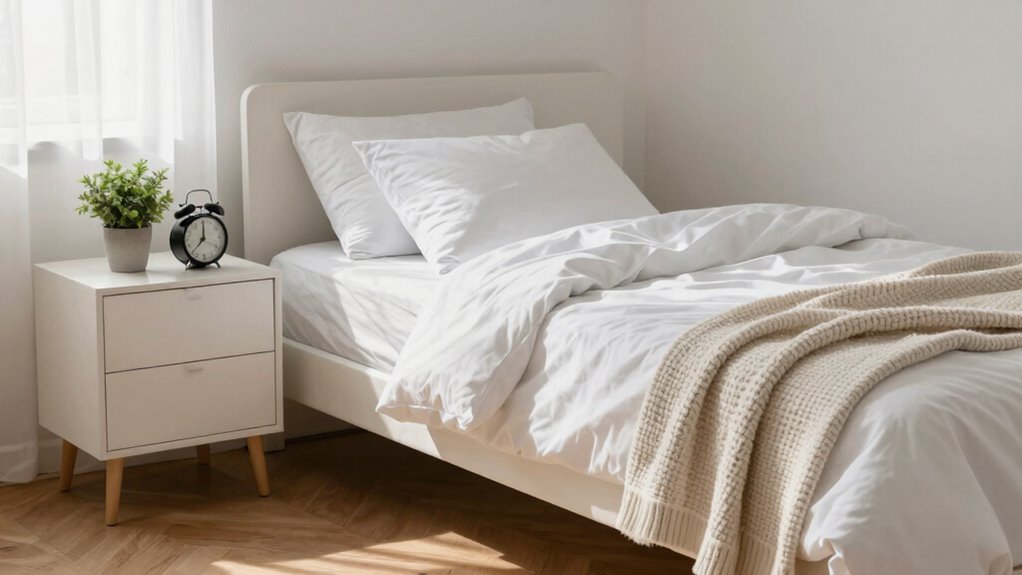
Have you ever wondered why some nights you sleep soundly while others leave you feeling exhausted? It’s often linked to your sleep hygiene — those habits and environments that influence how well you rest. Good sleep hygiene isn’t just about getting enough hours; it’s about creating the right conditions for restorative sleep. One key aspect is your sleep environment. If your bedroom is too noisy, too bright, or uncomfortable, it’s harder for your body to relax and settle into deep sleep stages. You want a cool, dark room with minimal distractions. Consider blackout curtains or eye masks to block out light, and use earplugs or white noise machines if noise is an issue. Your mattress and pillows should support your body comfortably, reducing physical discomfort that could wake you during the night. Maintaining indoor air quality can also influence your sleep, as poor air quality may cause discomfort and disturbances that interfere with rest. Additionally, keeping your sleeping area free of clutter can promote a sense of calm and help you relax more easily. Using air purifiers can improve airflow and reduce allergens, further enhancing your sleep environment.
A cool, dark, comfortable sleep environment promotes deeper, more restful sleep by reducing distractions and physical discomfort.
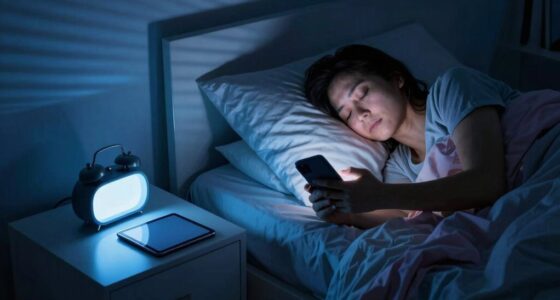
Another important element of good sleep hygiene is your pre-sleep routine. Engaging in relaxing activities before bed helps signal to your brain that it’s time to wind down. Avoid screens at least an hour before bedtime, because the blue light emitted by phones, tablets, and computers suppresses melatonin production — the hormone that promotes sleep. Instead, opt for calming activities like reading, gentle stretching, or listening to soothing music. This routine can also boost dream enhancement, making your dreams more vivid or meaningful. When your mind is calm and your body is relaxed, you’re more likely to experience a restful, uninterrupted sleep cycle.
Consistency is vital, too. Going to bed and waking up at the same time every day helps regulate your internal clock. When your sleep schedule is regular, your body knows when to produce hormones that facilitate sleep and wakefulness. Irregular sleep times can disrupt this balance, leading to poorer sleep quality and daytime fatigue. Additionally, avoid caffeine and heavy meals close to bedtime, as they can interfere with your ability to fall asleep and stay asleep. Developing a consistent sleep routine reinforces your body’s natural rhythms and makes it easier to fall asleep and wake up feeling refreshed.
As an affiliate, we earn on qualifying purchases.
Frequently Asked Questions
Can Sleep Hygiene Improve Overall Mental Health?
Yes, improving your sleep hygiene can boost your mental health. By creating a comfortable sleep environment and maintaining sleep consistency, you help your brain rest and recover better. Regular sleep patterns reduce stress and anxiety, making it easier to handle daily challenges. When you prioritize these habits, you support emotional stability and mental clarity. Consistent, quality sleep is a key step toward overall mental well-being.
How Does Caffeine Affect Sleep Hygiene?
Think of caffeine as a mischievous puppet master, pulling strings that disrupt your sleep. Caffeine consumption, especially late in the day, can cause sleep disruption by blocking adenosine, the chemical that makes you sleepy. This means your sleep becomes fragmented and less restorative. If you want good sleep hygiene, limit caffeine intake, particularly after noon, to help your body naturally wind down and enjoy restful, quality sleep.
Is Napping Beneficial or Harmful to Sleep Hygiene?
Napping can be beneficial or harmful to your sleep hygiene, depending on how you do it. Power naps, lasting about 20 minutes, can boost your alertness and improve sleep quality without disrupting nighttime sleep. However, longer or late-day naps might interfere with your nighttime rest, making it harder to fall asleep or stay asleep. To maintain good sleep hygiene, keep naps brief and avoid napping late in the day.
How Long Does It Take to See Sleep Hygiene Improvements?
It typically takes about a week or two to notice improvements in your sleep hygiene after making changes. You should focus on optimizing your sleep environment—keeping it dark, quiet, and cool—and establishing a consistent bedtime routine. Consistency is key; sticking to these habits helps your body adjust faster. Over time, these small adjustments will promote better sleep quality, making it easier to fall asleep and wake up refreshed.
Are Sleep Aids Compatible With Good Sleep Hygiene Practices?
Sleep aids can be compatible with good sleep hygiene if used responsibly, but you should consider medication interactions and get a sleep disorder diagnosis first. Relying solely on sleep aids isn’t ideal; they should complement healthy habits like consistent sleep schedules and a relaxing environment. Always consult a healthcare professional to guarantee safe use and avoid adverse effects, especially if you have underlying health issues or take other medications.
As an affiliate, we earn on qualifying purchases.
Conclusion
So, next time you’re tossing and turning, remember—good sleep hygiene isn’t about perfect routines or strict rules. It’s almost funny how we chase after “ideal” habits, only to realize that sometimes, just relaxing and letting go does the trick. Ironically, the more we obsess over sleep, the harder it gets. So, if you want better rest, maybe give yourself permission to stop overthinking it. Sleep’s simple—if you stop trying so hard to control it.
As an affiliate, we earn on qualifying purchases.
As an affiliate, we earn on qualifying purchases.
Halloween Picks
halloween
As an affiliate, we earn on qualifying purchases.