Using night mode screen filters can help you sleep better by reducing blue light exposure in the evening. Blue light from screens tricks your brain into thinking it’s still daytime, which can interfere with melatonin production and delay sleep. Warmer tones from these filters help minimize that effect, supporting your natural sleep cycle. If you want to explore how these small changes can make a difference, there’s more to discover.

Get health and wellness essentials delivered free — and shop member deals
- Fast, free delivery on millions of items
- Access to Prime Big Deal Days deals on October 6–7
- Prime Video, Amazon Music and more included
Key Takeaways
- Night mode filters reduce blue light exposure, which can help support natural melatonin production and improve sleep quality.
- They alter screen colors to warmer tones, decreasing the blue light that disrupts sleep-wake cycles.
- Scientific studies suggest even small reductions in blue light can aid in faster sleep onset and longer sleep duration.
- While effective, filters are not a complete solution; combining them with other healthy sleep habits enhances results.
- High-quality displays and proper usage of night mode filters further improve their effectiveness in promoting better sleep.
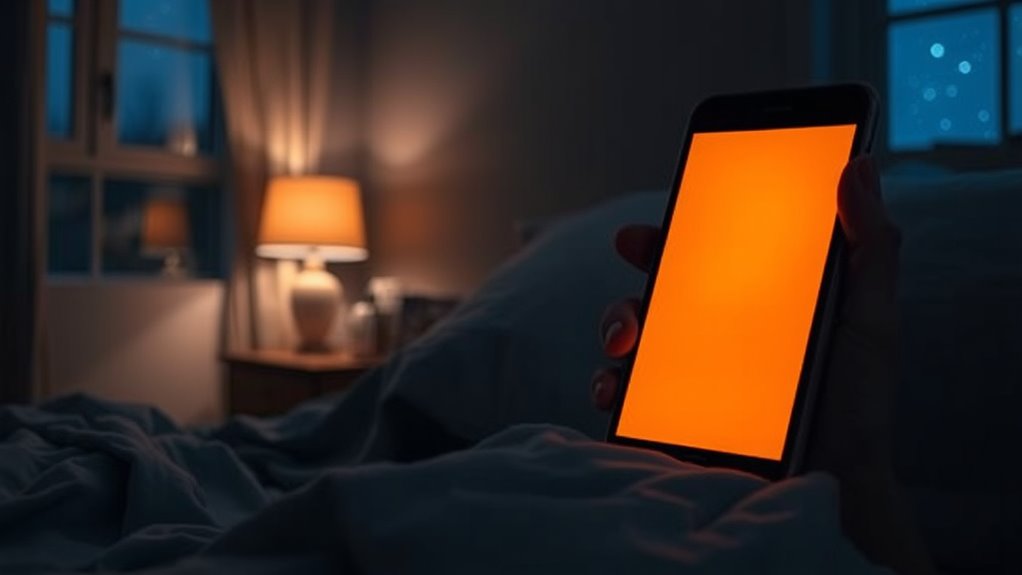
Many people use screens late at night without realizing how much the blue light emitted can disrupt their sleep. When you stay up browsing your phone or watching TV, the blue light penetrates your eyes and can interfere with your body’s natural sleep signals. One of the main issues is blue light reduction, which many night mode filters aim to address. These filters change your screen’s color temperature, shifting from bright whites and blues to warmer, amber tones. The idea is that by reducing the amount of blue light reaching your eyes, you can minimize melatonin suppression, the hormone responsible for regulating your sleep-wake cycle.
Melatonin suppression occurs because blue light tricks your brain into thinking it’s still daytime. When your melatonin levels stay low, falling asleep becomes harder, and your sleep quality can decline. This effect is particularly pronounced when you use screens close to bedtime. Night mode screen filters, by decreasing blue light exposure, help your body produce melatonin more naturally. This can make it easier for you to fall asleep and improve your overall sleep quality. Many people report that switching to night mode makes their screens appear less harsh and more comfortable to look at in the dark, which is an added benefit beyond sleep.
However, the effectiveness of night mode filters isn’t just about visual comfort. Scientific studies suggest that reducing blue light exposure in the evening indeed supports melatonin production. For example, some research shows that even a small decrease in blue light exposure can lead to better sleep onset and duration. That said, night mode filters aren’t a magic fix—they’re just one part of healthy sleep habits. You should also limit screen time before bed, keep your bedroom dark, and maintain a consistent sleep schedule.
It’s worth noting that not all night mode filters are equally effective. Some apps and device settings only slightly shift screen colors, while others offer more considerable blue light reduction. The key is to find a setting that feels comfortable and genuinely reduces blue light exposure during your late-night screen time. While these filters can’t completely eliminate blue light, they can considerably lessen its impact, helping your melatonin levels stay higher and supporting better sleep. If you’re serious about improving your sleep hygiene, using a night mode screen filter is a simple, accessible step that can make a difference for your ability to rest well after dark. Additionally, selecting a high-quality display with better color accuracy and blue light filtering capabilities can further enhance your sleep environment.
Frequently Asked Questions
Do Different Colors of Night Mode Filters Have Varying Effects?
Yes, different colors of night mode filters have varying effects on your sleep. Cooler colors like blue and purple can disrupt melatonin production more than warmer colors like red or orange. Adjusting the color temperature and filter intensity helps you find a balance that minimizes eye strain while promoting better sleep. You should experiment with these settings to see which combination best supports your sleep quality without sacrificing screen visibility.
Can Night Mode Filters Reduce Eye Strain During Night Use?
Imagine you use your phone late at night with a night mode filter that reduces blue light. This can substantially improve eye comfort and decrease eye strain by lowering blue light exposure, which often causes fatigue. Night mode filters help you avoid discomfort during extended screen time, making it easier to stay focused and prevent headaches. If you want to protect your eyes during night use, activating blue light reduction features is a smart choice.
Are There Any Long-Term Health Risks From Using Screen Filters?
Using screen filters generally doesn’t pose significant long-term health risks, but you should stay cautious. Prolonged exposure to blue light might subtly affect your sleep patterns and circadian rhythms, potentially influencing long-term health. While current research shows minimal genetic impacts, it’s wise to limit screen time before bed and use filters if you notice sleep disturbances. Staying mindful helps protect your overall well-being and reduces any unforeseen health effects.
How Do Screen Filters Impact Overall Sleep Quality?
Screen filters can improve your sleep quality by reducing melatonin suppression caused by blue light exposure. When you use filters, they help maintain your circadian rhythm, making it easier for you to fall asleep and stay asleep. By limiting blue light before bed, you support natural sleep signals, leading to more restorative sleep. So, using screen filters can be a simple step to enhance your overall sleep health.
Do Night Mode Filters Work Equally Across All Devices?
Night mode filters don’t work equally across all devices because blue light emission varies. Some devices emit more blue light, which can cause more melatonin suppression, making it harder for you to fall asleep. If a device’s screen has a higher blue light output, the filter’s effectiveness decreases. To improve sleep, you should check your device’s blue light levels and use night mode filters consistently, especially on screens with higher blue light emissions.
Conclusion
While night mode filters reduce blue light, they can’t completely eliminate its impact on your sleep. You might think switching to a darker screen helps you wind down, but your brain still processes the screen’s glow, just in a subtler way. So, even with night mode, the allure of screens can keep your mind alert when you want to relax. Ultimately, true sleep benefits come from limiting screen time before bed, not just dimming the light.
Evergreen bestsellers Picks
bestsellers
As an affiliate, we earn on qualifying purchases.