

When it’s time to wake up, your body relies on internal clocks called circadian rhythms, controlled mainly by the brain’s suprachiasmatic nucleus. Light signals your body to decrease melatonin and boost cortisol, which helps you feel alert. Your heart rate, blood pressure, and body temperature also rise to prepare you for the day. If you’re curious about how these processes work together seamlessly, you’ll discover the fascinating science behind waking and alertness.
Key Takeaways
- Waking is triggered by the circadian clock in the SCN, responding to light cues to initiate alertness.
- Hormonal shifts, including decreasing melatonin and increasing cortisol, promote wakefulness.
- Physiological responses like rising heart rate, blood pressure, and body temperature prepare the body for alertness.
- Sleep stage transitions, especially from REM or light sleep, influence how refreshed or groggy you feel upon waking.
- External cues like natural light reinforce circadian rhythms, supporting a smooth and alert wake-up process.

Have you ever wondered what happens inside your body when you wake up? The process is a complex dance of biological signals and systems working together to shift you from sleep to wakefulness. Central to this process are your circadian rhythms and sleep cycles, which regulate your sleep-wake patterns and influence how smoothly you wake up each morning. Your circadian rhythms are 24-hour internal clocks that sync your body’s functions with the natural light-dark cycle. They tell your body when to release hormones, when to feel sleepy, and when to become alert. These rhythms are primarily governed by a master clock located in your brain’s hypothalamus, called the suprachiasmatic nucleus (SCN). When morning light enters your eyes, it signals the SCN that it’s time to wake up, prompting a cascade of hormonal responses that prepare you to start your day. Proper synchronization of these rhythms can significantly improve your overall sleep quality and morning alertness.
Your sleep cycles are another essential element of waking. During sleep, you go through several stages, including light sleep, deep sleep, and REM sleep. These stages occur in roughly 90-minute cycles throughout the night. As you near the end of a sleep cycle, your body begins to prepare for awakening, especially during lighter stages of sleep. If you wake naturally during a REM or light sleep stage, you tend to feel more refreshed. Conversely, waking during deep sleep can leave you groggy and disoriented. The shift from sleep to wakefulness involves a reduction in sleep-promoting hormones like melatonin and an increase in alertness hormones such as cortisol. Cortisol levels typically rise in the early morning, peaking around the time you wake up, helping you feel alert and ready to face the day. Maintaining consistent sleep schedules helps reinforce your sleep-wake cycle and supports optimal waking.
Your body also employs other mechanisms to guarantee a smooth wake-up process. Heart rate increases, blood pressure rises, and your body temperature begins to climb. These changes are all synchronized with your internal clocks and sleep stages. Light exposure plays a pivotal role in reinforcing your circadian rhythms, signaling your brain that it’s time to switch from sleep mode to alertness. Without proper cues, like natural light or a consistent sleep schedule, these rhythms can become misaligned, making waking more difficult and leaving you feeling sluggish. Understanding these systems helps you grasp why consistent sleep patterns and exposure to natural light are indispensable for feeling alert and energized in the morning. Your body’s intricate timing system is what makes waking up a seamless, natural process—one that, with a little care, can be optimized for better mornings every day.

Odokee Sunrise Alarm Clock White Noise Machine: Natural Wake Up Light
- Gentle Sunrise Wake-Up: Gradual brightening over 5-60 minutes
- Customizable Alarm Duration: Adjust sunrise simulation length
- 25 Sleep Sounds: White, pink, brown, blue noise, natural sounds
As an affiliate, we earn on qualifying purchases.
As an affiliate, we earn on qualifying purchases.
Frequently Asked Questions
How Does Caffeine Influence the Waking Process?
Caffeine boosts your alertness by blocking adenosine receptors, which normally promote sleep and relaxation. When you consume caffeine, your body quickly metabolizes it, leading to sustained alertness enhancement. This process makes you feel more awake and focused, especially in the morning or when you’re tired. By interfering with your body’s natural sleep signals, caffeine helps you stay alert longer, but moderation is key to avoid crashing later.
Can Sleep Disorders Disrupt Your Body’s Waking Mechanism?
Imagine waking up feeling groggy every morning because your sleep quality is poor. Sleep disorders like insomnia or sleep apnea can disrupt your circadian rhythms, which regulate your body’s waking mechanism. These disruptions hinder your ability to wake up refreshed and alert, causing ongoing fatigue and difficulty concentrating. Your body’s natural processes rely on consistent sleep patterns, so when they’re disturbed, your waking mechanism struggles to function properly.
What Role Do Dreams Play in Waking Up?
Dreams, especially during REM sleep, play a key role in dream consolidation, helping your brain process emotions and memories. When you wake up, those vivid dreams can influence your alertness and mood. REM sleep prepares you to shift seamlessly from sleep to wakefulness, making dreams a crucial part of the waking process. Fundamentally, your body uses dreams to help you feel more alert and ready for your day.
How Does Age Affect Waking and Alertness?
Imagine your body’s energy like a flickering light that dims with age. As you get older, aging effects cause your alertness decline, making mornings feel harder and waking up sluggish. Your circadian rhythms shift, and sleep quality decreases, leaving you groggier. You might find it takes longer to shake off fatigue. Embracing healthy habits and consistent routines can help boost your alertness and brighten that morning glow.
Are There Natural Ways to Improve Morning Wakefulness?
You can naturally improve morning wakefulness by syncing with your circadian rhythms and establishing consistent morning routines. Wake up at the same time each day, expose yourself to natural light, and avoid screens before bed. Incorporate gentle stretching or a quick walk to boost alertness. These habits help regulate your internal clock, making it easier to wake up feeling refreshed and alert every morning.
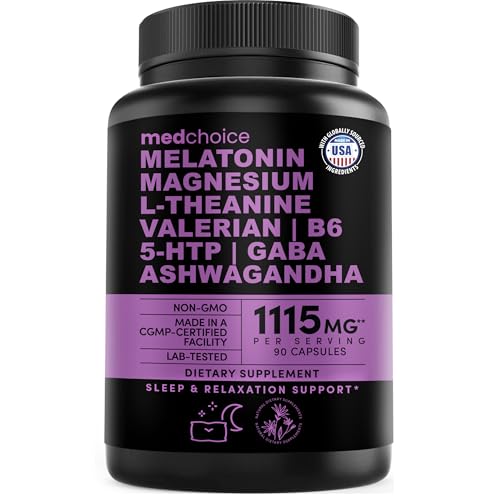
MEDCHOICE 12-in-1 Melatonin 5mg Sleep Capsules with Magnesium, 90ct
- Improved Non-Habit Forming Formula: Supports restful sleep naturally
- Powerful Ingredient Blend: Includes melatonin, magnesium, ashwagandha, and more
- Calm and Relaxation Support: L-Theanine and magnesium promote relaxation
As an affiliate, we earn on qualifying purchases.
As an affiliate, we earn on qualifying purchases.
Conclusion
As dawn breaks inside your mind, your body awakens like a symphony coming to life, each note buzzing with energy. The intricate dance of hormones and brain signals pulls you from slumber, igniting your senses like a burst of sunlight. Remember, your awakening isn’t just waking up—it’s a rebirth, a fresh start where your body whispers, “Today’s a new adventure.” Embrace this moment, for it’s the first step toward making your day truly yours.

Smart Bracelet Health and Fitness Tracker No Subscription Fees Black
- Design: Screen-free, lightweight, comfortable wear
- Health Monitoring: Tracks heart rate, blood pressure, oxygen, HRV, sleep, stress
- Sports Modes: Over 100 modes for various activities
As an affiliate, we earn on qualifying purchases.
As an affiliate, we earn on qualifying purchases.

Verilux HappyLight Lucent – One-Touch Light Therapy Lamp with 10,000 Lux, UV-Free, LED Bright White Light & Detachable Stand for Boosting Mood & Improving Sleep
- Easy One-Button Operation: Simple on/off button for quick use
- 10,000 Lux UV-Free Light: Provides effective, safe full-spectrum light
- Enhances Mood and Sleep: Boosts energy, improves focus, and sleep quality
As an affiliate, we earn on qualifying purchases.
As an affiliate, we earn on qualifying purchases.