As you age, your sleep naturally becomes lighter, more fragmented, and less restful. You might find it harder to fall asleep, stay asleep, or wake up feeling refreshed. Early morning awakenings and frequent night awakenings are common, which can reduce overall sleep quality. These changes can impact your daily energy and health. To understand more about managing these shifts and maintaining better sleep, keep exploring how aging affects your sleep patterns.
Key Takeaways
- Sleep becomes less regular and more fragmented with age, leading to lighter sleep and frequent awakenings.
- Older adults often experience difficulty falling asleep, staying asleep, or waking up feeling rested.
- The prevalence of sleep disorders like insomnia, sleep apnea, and restless leg syndrome increases with age.
- Changes in sleep architecture can impact overall health, increasing risks for cardiovascular issues and depression.
- Maintaining good sleep hygiene, managing health conditions, and seeking medical advice can improve sleep quality in older adults.
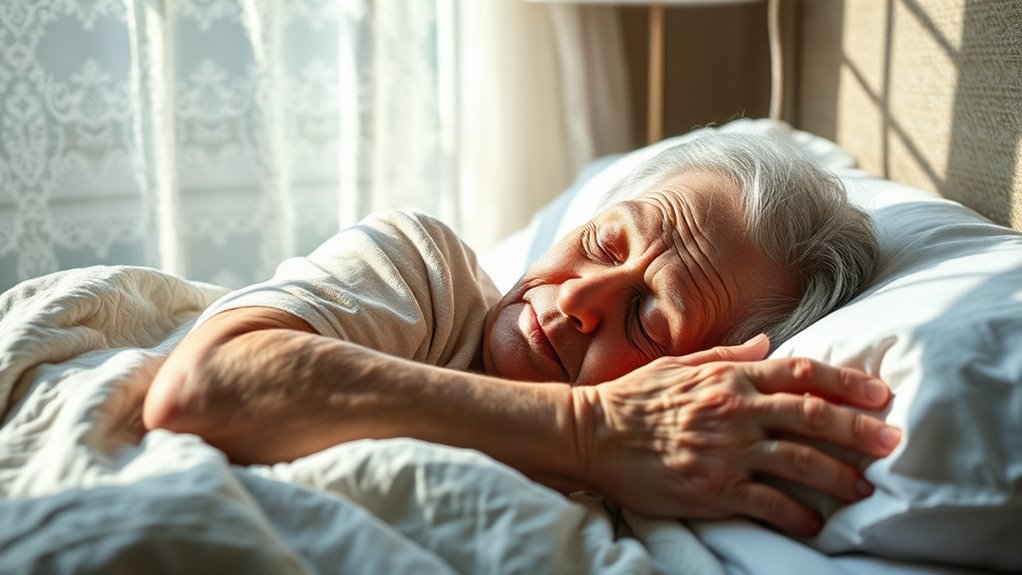
As you age, your sleep patterns often change, making it harder to fall asleep, stay asleep, or wake up feeling rested. These shifts can profoundly impact your overall sleep quality, leading to frustration and fatigue during the day. Many older adults experience more fragmented sleep, waking multiple times throughout the night, which diminishes the restorative benefits of sleep. It’s common to notice that your sleep becomes lighter, and you might find yourself waking up earlier than you’d like, often feeling less refreshed than you used to. These changes aren’t solely due to aging; they can also be linked to sleep disorders that develop or become more pronounced over time.
Sleep disorders such as insomnia, sleep apnea, or restless leg syndrome often become more prevalent with age. Insomnia, in particular, is a common issue, characterized by difficulty falling asleep or staying asleep, which can severely impair sleep quality. If you find yourself lying awake for hours or waking up in the early hours and struggling to get back to sleep, a sleep disorder might be contributing to your sleep troubles. Sleep apnea, which causes interruptions in breathing during sleep, can also lead to fragmented sleep and daytime fatigue. Restless leg syndrome triggers uncomfortable sensations in your legs that make it hard to settle down at night. These conditions not only reduce sleep quality but can also increase the risk of other health problems, such as cardiovascular disease, depression, and cognitive decline.
Furthermore, understanding the impact of sleep technology on sleep hygiene can be beneficial, as the use of screens before bed can interfere with melatonin production and disrupt your natural sleep cycle. Addressing these issues involves understanding that aging naturally affects your sleep architecture, but lifestyle choices and health management play vital roles. Regular exercise, maintaining a consistent sleep schedule, and avoiding stimulants like caffeine before bedtime can help enhance sleep quality. Managing underlying health conditions, reducing alcohol intake, and creating a calming bedtime routine are also effective strategies. If you suspect a sleep disorder, seeking medical advice is essential. A healthcare professional can diagnose the problem accurately and recommend treatments, which may include lifestyle modifications, medication, or the use of specialized devices like CPAP machines for sleep apnea.

CPAP Mask, Universal Full Face CPAP Masks, Silicone Soft Perfect Sealing Nose Masks with Headgear, Elbow/Swivel and Cushion, Upgrade Reuse CPAP Supplies Suitable for Various Models of Machines (L)
- CPAP Mask for Home Use: Suitable for ages 2-65, noninvasive therapy
- Silicone Rebound Cushion: Soft, airtight, reduces facial pressure
- Quiet Honeycomb Exhaust Design: Reduces airflow noise, gentle airflow
As an affiliate, we earn on qualifying purchases.
As an affiliate, we earn on qualifying purchases.
Frequently Asked Questions
Can Sleep Medications Improve Sleep Quality in Older Adults?
Sleep medications can improve your sleep quality, but their effectiveness varies. You should weigh the benefits against potential side effects and discuss them with your healthcare provider. Proper side effect management is essential to avoid issues like daytime drowsiness or dependence. While medications may help in the short term, developing good sleep habits and exploring alternative therapies can be more sustainable for long-term sleep health as you age.
How Does Sleep Apnea Impact Aging and Overall Health?
Sleep apnea considerably impacts your aging and overall health by causing disrupted sleep and intermittent breathing pauses. It increases your risk of respiratory issues, heart problems, and cognitive decline. As you age, these effects can worsen, making it harder to get restful sleep. Addressing sleep apnea through medical treatment improves your health, reduces respiratory issues, and helps you maintain better sleep quality, supporting healthier aging overall.
Are There Specific Exercises to Improve Sleep in Seniors?
You can improve your sleep by incorporating gentle exercise routines like walking, stretching, or yoga, which help reduce stress and promote relaxation. Practicing relaxation techniques such as deep breathing, meditation, or progressive muscle relaxation before bed can also enhance sleep quality. Consistency is key; aim for regular activity and calming practices to create a bedtime routine that signals your body it’s time to rest and unwind.
What Role Does Diet Play in Sleep Quality for Older Adults?
You might think diet doesn’t affect sleep, but it actually plays a vital role. Maintaining a nutrition balance and paying attention to meal timing can improve your sleep quality. Eating too late or consuming heavy, sugary foods can disrupt your rest, so aim for lighter meals earlier in the evening. By making mindful choices, you support better sleep patterns and overall health as you age.
How Can Caregivers Help Improve Sleep for Elderly Individuals?
You can help improve an elderly person’s sleep by establishing consistent bedtime routines, like relaxing activities before bed, and ensuring their sleep environment is comfortable, dark, and quiet. Encourage them to stick to a regular schedule, avoid screens before bedtime, and keep the room cool. These steps create a calming atmosphere, making it easier for them to fall asleep and stay asleep through the night.
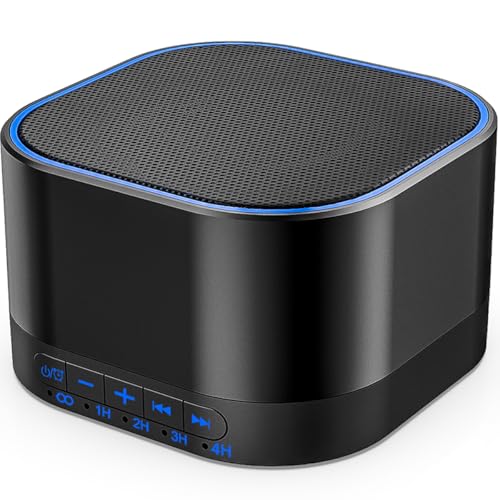
Magicteam Sound White Noise Machine with 20 Non Looping Natural Soothing Sounds and Memory Function 32 Levels of Volume Powered by AC or USB and Sleep Sound Timer Therapy for Baby Kids Adults
- 20 Non-Looping Soothing Sounds: Includes white, brown, pink, blue noise, and nature sounds
- Adjustable Volume & Timer: 32 volume levels and multiple timer options
- Portable & Compact Design: Small size for home, office, or travel use
As an affiliate, we earn on qualifying purchases.
As an affiliate, we earn on qualifying purchases.
Conclusion
So, congratulations! You’ve officially earned your crown as a sleep expert—at least in theory. As you get older, those glorious nights of uninterrupted sleep become more of a legend, like Bigfoot or a unicorn. But hey, who needs perfect sleep when you can master the art of napping or brag about your “well-earned” early bedtime? Embrace the chaos, and remember: aging might steal your sleep, but it sure adds character—preferably after a good nap.

MagniLife Relaxing Legs Sublingual Tablets, 125 Count, Quick-Dissolving Homeopathic Pain Reliever & Nighttime Sleep Aid, Helps Calm Restless Legs, Discomfort & Sleepless Tossing
- Fast-acting relief: Dissolves quickly under the tongue
- Homeopathic formula: Contains 6 active ingredients
- Targeted nighttime relief: Helps calm restless legs and discomfort
As an affiliate, we earn on qualifying purchases.
As an affiliate, we earn on qualifying purchases.

SOMNDEEP Non-Wearable Smart Sleep Tracker, Contactless Sleep Monitor Device
- Non-Wearable Design: Comfortable, contactless sleep monitoring
- Comprehensive Sleep Tracking: Heart rate, breathing, and movement analysis
- Sleep Stage Measurement: Deep, light, and REM sleep percentages
As an affiliate, we earn on qualifying purchases.
As an affiliate, we earn on qualifying purchases.