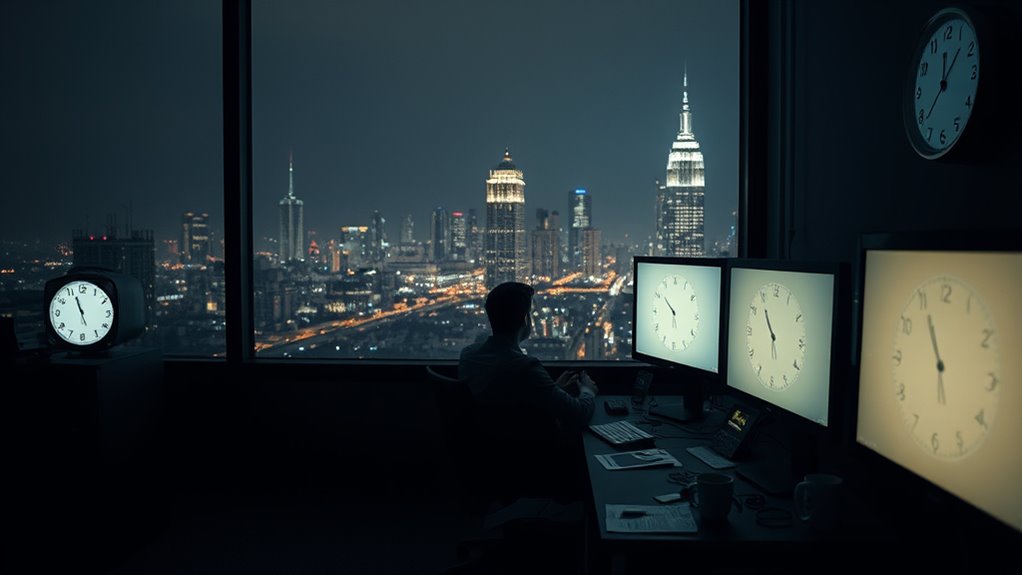

Working night shifts disrupts your body’s natural 24-hour clock, throwing off sleep and hormone production. Artificial light during the night suppresses melatonin, making it harder to sleep and causing fatigue. This misalignment impacts hormones like cortisol, affecting stress, immune health, and metabolism. Over time, it can lead to weight gain, mood issues, and increased disease risk. Staying aware of these effects can help you take steps to protect your health as you explore solutions.

Get health and wellness essentials delivered free — and shop member deals
- Fast, free delivery on millions of items
- Access to Prime Big Deal Days deals on October 6–7
- Prime Video, Amazon Music and more included
Key Takeaways
- Night shifts disrupt the circadian rhythm, confusing the body’s internal clock and leading to sleep disturbances.
- Artificial light exposure during night work suppresses melatonin, impairing sleep quality and hormone regulation.
- Hormonal imbalances from shift work increase risks of immune dysfunction, metabolic issues, and cardiovascular diseases.
- Disrupted sleep and hormonal shifts cause fatigue, mood swings, weight gain, and decreased cognitive function.
- Long-term circadian misalignment raises the likelihood of chronic illnesses, aging, and overall health decline.

Working night shifts can disrupt your body’s natural rhythm, making it harder to sleep, stay alert, and recover. Your body operates on a circadian rhythm—a 24-hour internal clock that regulates sleep-wake cycles, hormone production, and other essential functions. When you work against this natural schedule, you experience circadian disruption, which can lead to a cascade of health issues. Your body expects darkness at night and sunlight during the day; flipping this schedule throws off its timing, confusing your internal systems. As a result, your sleep quality diminishes, leaving you tired and less refreshed. This constant mismatch can also interfere with hormone production, creating hormonal imbalances that affect your overall health.
Hormonal imbalance is a significant consequence of night shift work. Melatonin, the hormone responsible for regulating sleep, is naturally produced in response to darkness. When you work during the night and are exposed to artificial light, your melatonin levels drop prematurely or stay suppressed, making it difficult to fall asleep or maintain restful sleep. Low melatonin levels not only impair sleep quality but can also impact immune function and increase vulnerability to illnesses. Other hormones, such as cortisol—the body’s stress hormone—may also become dysregulated. Elevated cortisol levels at the wrong times can cause increased stress, weight gain, and impaired immune responses. Over time, these hormonal shifts contribute to chronic health problems like cardiovascular disease, diabetes, and mood disorders.
Your body’s internal clock relies heavily on light cues to synchronize these hormonal cycles. When you disrupt this natural signaling, the consequences extend beyond sleep disturbances. You may notice increased fatigue, difficulty concentrating, and mood swings. The hormonal imbalance also hampers appetite regulation, leading to unhealthy eating habits and weight gain. Moreover, the disruption of your circadian rhythm hampers the production of other hormones essential for cell repair, growth, and metabolic processes, which can accelerate aging and increase disease risk.
Adjusting to night shifts requires conscious effort to minimize circadian disruption and hormonal imbalance. Using blackout curtains, limiting exposure to bright artificial light before bedtime, and maintaining a consistent sleep schedule—even on days off—can help. Some people find that taking melatonin supplements or using light therapy during waking hours supports their internal clock. However, it’s essential to recognize that persistent circadian disruption and hormonal imbalance from shift work can have long-term health implications if not managed properly. Your body’s internal systems are finely tuned, and working against them over time can lead to serious health issues, underscoring the importance of strategies to mitigate these effects.
As an affiliate, we earn on qualifying purchases.
Frequently Asked Questions
Can Night Shift Work Cause Long-Term Mental Health Issues?
Night shift work can lead to long-term mental health risks, including anxiety and depression. When you work irregular hours, your body’s natural rhythms get disrupted, increasing stress levels and impairing emotional stability over time. These long-term effects may worsen if you don’t manage sleep and stress effectively. So, yes, repeated night shifts could pose significant mental health risks, emphasizing the importance of proper self-care and support systems.
How Does Shift Work Affect Hormone Production?
You might think shift work doesn’t affect hormones, but hormonal disruption is a real concern. When you work irregular hours, circadian misalignment occurs, throwing off your body’s natural hormone production. This imbalance impacts sleep, metabolism, and stress levels. Even if it feels manageable now, over time, this disruption can lead to serious health issues. Staying aware helps you prioritize strategies to minimize these effects and protect your well-being.
Are There Specific Diets to Mitigate Night Shift Health Risks?
To mitigate night shift health risks, focus on nutritional timing and meal composition. You should eat lighter, balanced meals during your shift to avoid digestion issues and maintain energy. Plan your main, nutrient-rich meal before your shift begins to support alertness. Avoid caffeine and heavy foods late at night, and incorporate healthy snacks. Staying consistent with your eating schedule helps regulate your body’s internal clock and reduces health risks.
What Strategies Can Improve Sleep Quality During Day Rest?
To improve sleep quality during your day rest, focus on practicing good sleep hygiene by creating a cool, dark, and quiet environment. Use blackout curtains or eye masks to block out light, and earplugs or white noise to reduce noise. Incorporate relaxation techniques like deep breathing or meditation before bed to calm your mind. These strategies help signal your body it’s time to rest, enhancing your sleep quality even during daytime hours.
Does Shift Work Increase Risk for Chronic Diseases?
Yes, shift work increases your risk for chronic diseases due to circadian disruption. When your body’s internal clock gets thrown off, it can lead to metabolic syndrome, a cluster of conditions like obesity, high blood pressure, and insulin resistance. This disruption affects hormone regulation and metabolism, raising your chances of developing these health issues over time. Prioritizing good sleep and healthy habits can help mitigate some of these risks.
As an affiliate, we earn on qualifying purchases.
Conclusion
So, when you work night shifts, you’re like a traveler lost in a city that never sleeps, your body clock out of sync with the world around you. The moonlight and darkness become your companions, but they also hide the signals your body needs to stay balanced. Remember, your internal rhythm is delicate—ignoring it can leave you feeling like a shadow wandering in the night. Care for your body’s natural cycle, and you’ll find harmony in the chaos.
light therapy lamp for circadian rhythm
As an affiliate, we earn on qualifying purchases.
As an affiliate, we earn on qualifying purchases.
As an affiliate, we earn on qualifying purchases.
Fall Picks
fall essentials
As an affiliate, we earn on qualifying purchases.