
Poor sleep can make pain feel worse because it heightens your brain’s sensitivity to discomfort and disrupts pain regulation pathways. When you don’t get restorative rest, your ability to manage pain decreases, and even small aches seem more intense. This creates a cycle where pain keeps you awake, and lack of sleep amplifies your perception of pain. If you want to understand how breaking this cycle can improve your comfort, keep exploring these connections.
Prime for Young Adults — start your free trial
Fast free delivery, streaming and member deals for eligible 18–24 year olds.
As an affiliate, we earn on qualifying purchases.
Key Takeaways
- Poor sleep heightens pain sensitivity by disrupting brain pathways involved in pain regulation.
- Sleep deprivation impairs the body’s ability to manage and reduce pain sensations effectively.
- Insufficient restorative sleep prevents the activation of pain relief mechanisms, intensifying discomfort.
- Persistent pain disrupts sleep cycles, leading to a vicious cycle of increased pain and sleep loss.
- Improving sleep hygiene can break this cycle, reducing pain perception and enhancing comfort.
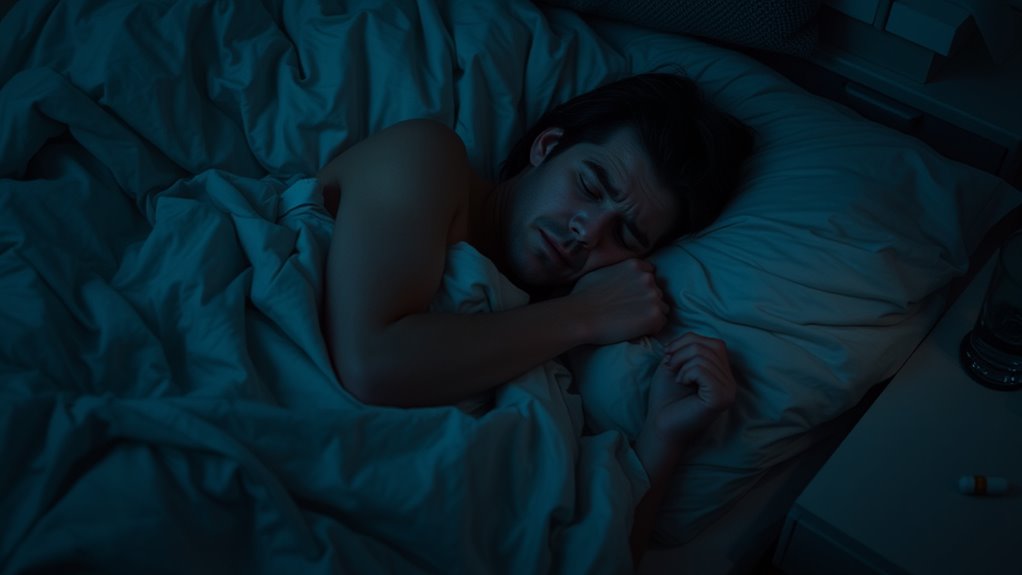
Sleep and pain are closely linked, with poor sleep often making pain feel worse and persistent pain disrupting restful sleep. When you don’t get enough quality sleep, your body’s ability to manage pain diminishes, intensifying how you perceive discomfort. This cycle can be frustrating, but understanding how sleep hygiene influences pain perception can help you break it. Sleep hygiene involves adopting habits and environments that promote consistent, restorative sleep. For example, sticking to a regular bedtime, avoiding caffeine or heavy meals before bed, and creating a dark, quiet sleeping environment all contribute to better sleep. When your sleep hygiene is deficient, your body remains in a heightened state of alertness, making it more sensitive to pain signals. Over time, this increased pain perception can lead to a chronic pain experience that feels unmanageable.
Your brain processes pain in part through the same pathways that govern sleep, which explains why sleep deprivation can amplify pain sensations. When you’re sleep-deprived, your brain’s ability to regulate pain diminishes, heightening your pain perception. You might notice that even minor discomforts become more noticeable or intolerable after a restless night. Conversely, good sleep helps restore the normal functioning of these pathways, reducing how intensely pain is perceived. That’s why consistent, quality sleep isn’t just about feeling rested — it’s a vital part of managing pain. Understanding the role of contrast ratio in image quality reveals how visual clarity can influence comfort during rest and relaxation.
Persistent pain can interfere with your sleep patterns, creating a vicious cycle. When pain keeps you awake or wakes you during the night, it hampers your ability to enter deep, restorative sleep stages. This lack of restorative sleep further heightens your sensitivity to pain, making everything feel worse. To counteract this, paying attention to your sleep hygiene can make a significant difference. Establishing calming pre-sleep routines, limiting screen time before bed, and maintaining a cool, comfortable sleeping environment all support better sleep quality. These habits help stabilize your sleep-wake cycle, which, in turn, can help reduce your pain perception.
memory foam sleep pillow for pain relief
As an affiliate, we earn on qualifying purchases.
As an affiliate, we earn on qualifying purchases.
Frequently Asked Questions
Can Improving Sleep Habits Reduce Chronic Pain Severity?
Improving your sleep habits can definitely reduce chronic pain severity. Focusing on good sleep hygiene and establishing restful routines helps your body recover and lowers pain sensitivity. By sticking to consistent sleep schedules, avoiding screens before bed, and creating a calming environment, you promote restorative sleep. Better sleep allows your body to heal and manage pain more effectively, making your pain less intense and more manageable over time.
Are Certain Sleep Disorders More Linked to Increased Pain?
If you’re dealing with sleep disorders, sleep apnea and restless leg syndrome are more likely linked to increased pain. Just like a medieval squire struggles with a nagging wound, your body suffers when these conditions disrupt restful sleep. Sleep apnea causes breathing interruptions, while restless leg syndrome triggers uncomfortable sensations, both intensifying pain perception. Addressing these disorders can help reduce pain severity and improve your overall quality of life.
How Does Sleep Deprivation Affect Pain Perception in the Brain?
When you’re sleep-deprived, your brain’s pain pathways become more sensitive, amplifying pain perception. Dream deprivation disrupts your body’s natural ability to regulate pain, making you feel discomfort more intensely. Lack of sleep hampers your pain modulation systems, so even minor aches seem worse. You may notice increased pain, because your brain isn’t getting the restorative signals it needs, heightening your experience of pain and discomfort.
What Lifestyle Changes Can Enhance Sleep and Reduce Pain?
Ever wonder how small changes can make a big difference? Improving your sleep hygiene by sticking to a consistent sleep schedule and creating a calming bedtime routine can help. Additionally, dietary adjustments like reducing caffeine and alcohol intake and eating anti-inflammatory foods support better rest. These lifestyle tweaks not only enhance sleep quality but also lower your pain levels, making everyday life more comfortable and manageable.
Is There a Genetic Link Between Sleep Quality and Pain Sensitivity?
Yes, there’s a genetic link between sleep quality and pain sensitivity. Your genetic predispositions and hereditary factors influence how well you sleep and how you perceive pain. If you have a family history of sleep disorders or chronic pain, you’re more likely to experience similar issues. Understanding these connections can help you tailor lifestyle changes and seek targeted treatments to improve sleep and reduce pain sensitivity.
blackout curtains for better sleep
As an affiliate, we earn on qualifying purchases.
As an affiliate, we earn on qualifying purchases.
Conclusion
When you don’t get enough quality sleep, your pain can feel way worse—studies show that sleep deprivation increases pain sensitivity by up to 40%. So, making sleep a priority isn’t just about feeling rested; it can actually help reduce your pain levels. By improving your sleep habits, you give your body a better chance to heal and manage discomfort. Don’t underestimate the power of a good night’s sleep—it’s a simple step toward feeling better.
As an affiliate, we earn on qualifying purchases.
As an affiliate, we earn on qualifying purchases.
Fall Picks
fall essentials
As an affiliate, we earn on qualifying purchases.