

Sleep friction is the resistance you feel when trying to fall asleep, often caused by environmental distractions like noise, light, or discomfort. To lower it fast, create a calming sleep space by using blackout curtains, keeping the room cool, and reducing noise with earplugs or white noise. Establish a consistent, relaxing bedtime routine that signals your body it’s time to sleep. Keep exploring for more tips to make peaceful sleep easier tonight.

Get health and wellness essentials delivered free — and shop member deals
- Fast, free delivery on millions of items
- Access to Prime Big Deal Days deals on October 6–7
- Prime Video, Amazon Music and more included
Key Takeaways
- Sleep friction is resistance to falling asleep caused by environmental factors like noise, light, or discomfort.
- Minimize light with blackout curtains or eye masks to help reduce sleep friction quickly.
- Use white noise machines or earplugs to block disruptive sounds and promote faster sleep onset.
- Keep the bedroom cool, comfortable, and free of distractions to ease the transition into sleep.
- Establish a calming bedtime routine and maintain consistency to train your body for easier sleep.
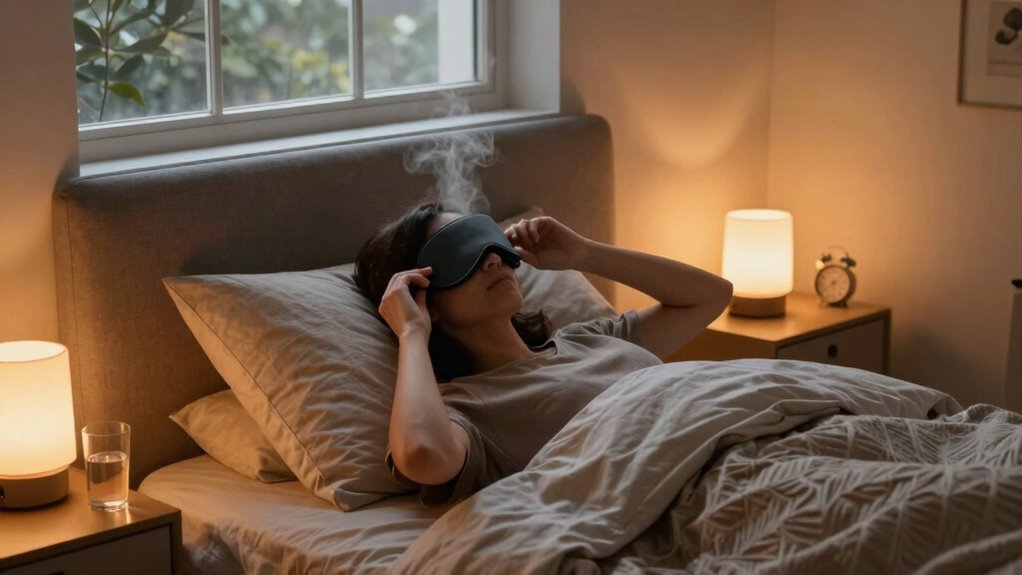
Ever wondered why falling asleep sometimes feels like a battle? You’re not alone. Many people experience what’s called sleep friction—a kind of resistance or difficulty settling into restful sleep. This friction can stem from various factors, but one of the biggest influences is your sleep environment. If your bedroom isn’t conducive to sleep, it’s like trying to rest in a noisy, bright, or uncomfortable space. Light from screens or streetlights can trick your brain into thinking it’s daytime, making it harder to produce the sleep hormone melatonin. Noise, whether from traffic or household activities, can constantly interrupt your mind’s shift into sleep mode. An uncomfortable mattress or pillow can also keep your body from relaxing fully, creating physical barriers to restful sleep.
A noisy, bright, or uncomfortable bedroom can turn bedtime into a struggle, disrupting your sleep and making rest harder to achieve.
To lower sleep friction quickly, start by optimizing your sleep environment. Make your room dark using blackout curtains or an eye mask. Keep the temperature cool—around 65 to 70 degrees Fahrenheit—since a cooler room promotes better sleep. Use white noise machines or earplugs if noise is a problem. Ensure your mattress and pillows support your body comfortably, so you’re not fighting discomfort once you lie down. These small adjustments can make a big difference in how easily you move into sleep. Additionally, understanding the role of sleep environment in sleep health can help you make more targeted improvements. Creating a healthy sleep environment involves controlling factors like light, noise, and comfort to support your body’s natural sleep processes. Recognizing how sleep hygiene impacts your ability to fall asleep can also guide you toward more effective routines. Developing good sleep habits can further reinforce your efforts to reduce sleep friction, making it easier to fall asleep naturally. Being mindful of your sleep cues and how your daily habits influence your sleep can further enhance your rest.
Another key element is your bedtime routine. Your body thrives on consistency, so establishing a calming pre-sleep routine signals your brain that it’s time to wind down. Avoid screens at least 30 minutes before bed because the blue light emitted suppresses melatonin production. Instead, engage in relaxing activities like reading, gentle stretches, or deep breathing exercises. Dimming the lights in your home during this time can also help reinforce your body’s natural cues for sleep. Over time, sticking to a routine trains your mind and body to associate certain activities with sleep, reducing friction and making it easier to fall asleep faster.
Combining a sleep-friendly environment with a consistent bedtime routine creates a powerful synergy. When you make your bedroom a sanctuary for rest and follow predictable nightly habits, your brain learns to let go of resistance more quickly. Instead of lying awake in frustration, you’ll find yourself drifting off with less effort. Addressing sleep friction isn’t about drastic changes; it’s about small, intentional adjustments that tell your body it’s safe and ready for sleep. With patience and consistency, you’ll notice falling asleep becomes less of a struggle and more of a natural, peaceful process.
As an affiliate, we earn on qualifying purchases.
Frequently Asked Questions
Can Sleep Friction Affect Overall Health Long-Term?
Yes, sleep friction can affect your overall health long-term. Poor sleep quality and restless nights can lead to increased stress, weakened immunity, and even chronic conditions like heart disease. When you experience sleep friction, your body doesn’t get the deep, restorative rest it needs. Over time, this can diminish your well-being, making it harder to enjoy restful nights and maintain good health. Prioritizing better sleep habits helps protect your long-term health.
Is Sleep Friction More Common in Certain Age Groups?
You often hear “age is just a number,” but sleep friction tends to be more common in certain age groups. For example, teenagers frequently struggle with age-related sleep issues due to irregular sleep habits and biological shifts, making them more prone to sleep friction. As you age, changes in sleep patterns can also increase friction, but young adults and teenagers generally face it more often because of lifestyle and hormonal factors.
Are There Medications That Help Reduce Sleep Friction?
Yes, there are medication options that may help reduce sleep friction. Sleep aids like melatonin supplements or short-term use of prescription medications can promote quicker sleep onset and improve sleep quality. However, you should consult a healthcare provider before using any medication, as they can recommend the best options tailored to your needs. Remember, medication is just one part of managing sleep friction; good sleep hygiene is equally important.
How Does Sleep Friction Impact Mental Clarity Upon Waking?
Imagine your mind waking up from a foggy swamp—that’s what sleep friction feels like. It drags down your sleep quality and clouds your morning alertness, making mental clarity a distant dream. When sleep friction is high, you’ll struggle to focus, think sharply, or even remember details. To clear this mental haze, prioritize better sleep habits, ensuring your mornings are bright, fresh, and ready to conquer.
Can Sleep Friction Be a Sign of Underlying Sleep Disorders?
Yes, sleep friction can be a sign of underlying sleep disorders, especially if it persists despite good sleep hygiene and consistent bedtime routines. If you notice ongoing difficulty waking up or feeling groggy, consider consulting a healthcare professional. Improving sleep hygiene—like avoiding screens before bed and establishing relaxing routines—can help, but persistent issues might indicate conditions like sleep apnea or restless leg syndrome needing targeted treatment.
As an affiliate, we earn on qualifying purchases.
Conclusion
Think of sleep friction as a stubborn river obstacle blocking your flow to restful waters. When you understand what causes it, you can clear the debris quickly, allowing your mind to drift smoothly into sleep. Just like removing a log from a stream, easing sleep friction gets you back on a gentle current. With these simple steps, you’ll navigate your nightly journey effortlessly, waking refreshed and ready to face tomorrow’s adventures.
As an affiliate, we earn on qualifying purchases.
As an affiliate, we earn on qualifying purchases.
Halloween Picks
halloween
As an affiliate, we earn on qualifying purchases.