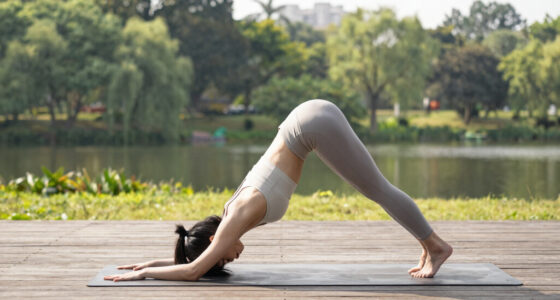

Engaging in low-impact cardio helps you achieve better sleep consistency by balancing your internal systems and supporting your natural rhythms. It regulates your heart rate, triggers the release of feel-good hormones, and reduces stress hormones like cortisol. This type of exercise also aligns your circadian rhythm, making it easier to fall asleep and stay asleep. If you keep exploring, you’ll discover even more ways this gentle activity promotes restful, restorative sleep.
Get ready for Prime Big Deal Days — try Prime free
Exclusive member deals on October 6–7, plus fast free delivery. Cancel anytime.
As an affiliate, we earn on qualifying purchases.
Key Takeaways
- Low-impact cardio promotes hormonal balance, reducing stress hormones that can disrupt sleep patterns.
- It helps regulate the circadian rhythm, encouraging consistent sleep-wake cycles.
- Moderate exercise triggers endorphin release, improving mood and supporting sleep stability.
- Regular low-impact activity enhances overall health, leading to more restful, restorative sleep.
- Consistent exercise routines reinforce internal body signals, promoting sleep consistency over time.
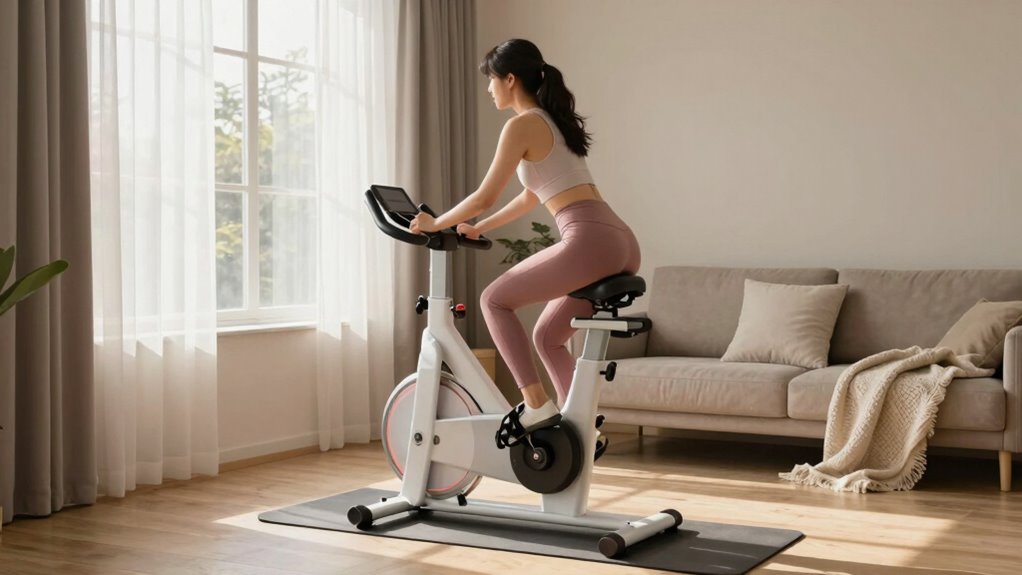
Getting enough restful sleep can sometimes feel elusive, but engaging in low-impact cardio exercises might be just what you need. These activities, such as brisk walking, swimming, or cycling, help promote better sleep by balancing your body’s internal systems. One effective approach is incorporating interval training into your routine, which involves alternating periods of moderate activity with short bursts of higher intensity. This structured effort can boost your cardiovascular health without overwhelming your body, making it a sustainable option for many.
When you engage in low-impact cardio, you help regulate your heart rate more effectively. Instead of prolonged, intense workouts that may leave you feeling drained or anxious, interval training encourages your heart to adapt gradually, promoting heart rate regulation. This controlled fluctuation reduces stress on your cardiovascular system and stabilizes your sleep-wake cycle. Over time, your body learns to recover more efficiently from daily stressors, making it easier to fall asleep and stay asleep through the night.
The key is to find the right balance. Consistent, moderate exercise aids in aligning your circadian rhythm, the internal clock that governs sleep and wakefulness. When your heart rate is elevated during exercise, it signals your body to release endorphins and other feel-good hormones, which can help reduce anxiety and improve your overall mood. As your body adapts, your sleep patterns tend to become more predictable and restorative. Regular activity also lowers cortisol levels, the stress hormone that often disrupts sleep when elevated late in the day. Additionally, engaging in low-impact cardio can enhance your overall physical health, further supporting your sleep quality. Incorporating exercise consistency can help reinforce these benefits and promote long-term sleep health. Moreover, consistent physical activity contributes to biodiversity and sustainability, creating a healthier environment that supports overall well-being.
low impact cardio exercise equipment
As an affiliate, we earn on qualifying purchases.
As an affiliate, we earn on qualifying purchases.
Frequently Asked Questions
Can Low Impact Cardio Improve Sleep Quality Long-Term?
Yes, low impact cardio can improve your sleep quality long-term. It helps reduce stress, which can interfere with sleep, by releasing endorphins that boost your mood. Additionally, it gently elevates your heart rate, promoting better cardiovascular health and making it easier to fall asleep and stay asleep. Regular low impact exercise creates a routine that supports consistent sleep patterns, leading to more restful, restorative sleep over time.
What Types of Low Impact Cardio Are Most Effective for Sleep?
You might think gentle yoga or walking are too mild to boost sleep, but they’re surprisingly effective. These low impact exercises gently raise your heart rate without overstimulating, especially if done earlier in the day. Exercise timing matters—exercising too close to bedtime can hinder sleep, so aim for morning or early afternoon sessions. These activities help regulate your sleep cycle, making restful nights feel effortless.
How Soon Can I See Sleep Improvements From Low Impact Exercise?
You might notice sleep improvements within a few days to a week of regularly practicing low-impact cardio. Consistent exercise, ideally several times a week, helps regulate your sleep cycle, making it easier to fall asleep and stay asleep. As you increase your exercise frequency, your body adapts, promoting better sleep quality. Keep up your routine, and you’ll likely see positive changes in your sleep pattern relatively quickly.
Is Low Impact Cardio Suitable for All Age Groups?
Yes, low impact cardio is suitable for all age groups because it offers excellent age adaptability and prioritizes joint safety. Whether you’re young or older, you can benefit from gentle exercises like walking, swimming, or cycling without putting too much stress on your joints. This type of activity promotes better sleep and overall health, making it a safe and effective choice for everyone. Just be sure to adjust intensity to your comfort level.
Are There Any Risks or Side Effects Associated With Low Impact Cardio?
Think of low impact cardio as a gentle river—smooth and calming, but it’s not without its rocks. While it minimizes joint stress, there’s still a small injury risk if you push too hard or don’t listen to your body. Overexertion can lead to muscle strains or soreness. Always start slowly, stay aware of your limits, and consult a healthcare professional if you have existing joint issues.
best walking treadmill for sleep improvement
As an affiliate, we earn on qualifying purchases.
As an affiliate, we earn on qualifying purchases.
Conclusion
Incorporating low impact cardio into your routine can notably improve your sleep consistency. Studies show that just 30 minutes of moderate exercise, like walking or swimming, can help you fall asleep faster and enjoy more restorative sleep. Did you know that people who engage in regular low impact activity report 65% fewer sleep disturbances? So, make movement a daily habit—you’ll sleep better and wake up refreshed, ready to take on your day.
reliable swimming pool float for gentle exercise
As an affiliate, we earn on qualifying purchases.
As an affiliate, we earn on qualifying purchases.
stationary bike for low impact workouts
As an affiliate, we earn on qualifying purchases.
As an affiliate, we earn on qualifying purchases.
Fall yard work Picks
leaf blowers
As an affiliate, we earn on qualifying purchases.