

It takes time for sleep fixes to work because your body needs days or weeks to recalibrate its internal clocks and sleep cycles. Changes in your sleep environment and routine don’t produce instant results because your brain and body gradually adjust to new patterns. This process involves shifts in REM and non-REM sleep, which need patience. Keep going, and you’ll discover how persistent efforts can lead to better sleep over time.
Key Takeaways
- Sleep cycles, including REM and non-REM stages, require about one to two weeks to recalibrate fully.
- Environmental adjustments, like light and noise reduction, need time for the body to recognize and adapt.
- Consistent routines help reset circadian rhythms gradually, stabilizing sleep patterns over one to two weeks.
- Sleep architecture reorganizes slowly as internal clocks adjust to new habits and environments.
- External factors and initial disruptions delay noticeable improvements, emphasizing the importance of patience during adaptation.

Getting better sleep doesn’t happen overnight, and that’s because your body needs time to reset its habits and routines. When you start making changes—like adjusting your sleep environment or establishing a new bedtime—you’re fundamentally nudging your body to adopt healthier patterns. But these changes don’t produce instant results because your sleep system, especially your dream cycles, takes time to adapt. Your dream cycles—REM and non-REM sleep—are essential for restorative rest, and shifting them isn’t immediate. It can take a week or two for your body to recalibrate these cycles, allowing you to experience more consistent, deep sleep.
Your sleep environment plays a key role in this process. If your bedroom isn’t optimized for rest—think noisy, bright, or uncomfortable—it hampers your ability to fall asleep and stay asleep. Once you start improving your sleep environment by reducing light, noise, or adjusting the room temperature, your body begins to respond gradually. These changes don’t instantly overhaul your sleep patterns; instead, your body needs time to recognize and adapt to the new environment. That’s why, even with a perfect sleep setup, you might not see immediate improvements. Your brain and body are working to adjust their internal clocks and sleep architecture, which is a gradual process. Understanding circadian rhythms can help you better appreciate how these adjustments work over time.
Improving your sleep environment helps, but your body needs time to adapt for lasting, restful sleep.
Moreover, your circadian rhythm, which influences your sleep-wake cycle, also takes time to align with new routines. If you’ve been staying up late or sleeping irregularly, your internal clock needs a period of consistency to reset. During this time, your dream cycles will start to shift, resulting in more restorative sleep phases and less fragmented rest. Adjusting sleep routines is crucial for this realignment, and patience is key. It’s common to experience some initial disruptions or daytime tiredness as your body adjusts. But if you stick with your new routine for a week or two, those cycles will stabilize, and sleep quality will improve. Recognizing the importance of sleep architecture can help you stay patient during this process. Additionally, understanding how sleep patterns are influenced by various factors can empower you to make more effective adjustments.
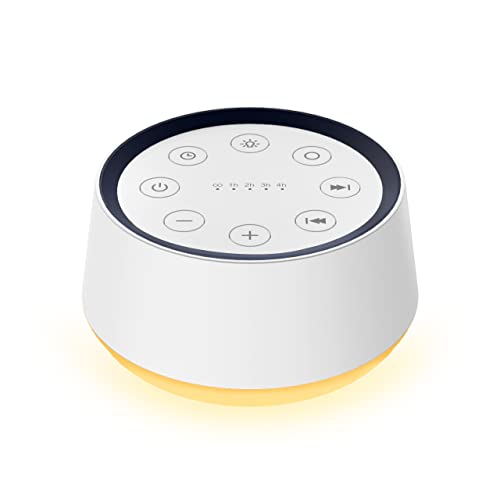
Brown Noise Sound Machine with 30 Soothing Sounds 12 Colors Night Light White Noise Machine for Adults Baby Kids Sleep Machines Memory Function 36 Volume Levels 5 Timers for Home Office Travel
- 30 Soothing Sounds: Includes 30 natural and calming sounds
- 12 Color Night Lights: Features 12 customizable light colors
- 10 Brightness Levels: Adjustable soft lighting for comfort
As an affiliate, we earn on qualifying purchases.
As an affiliate, we earn on qualifying purchases.
Frequently Asked Questions
Can Sleep Fixes Cause Side Effects Before They Work?
Yes, sleep fixes can cause side effects before they work, often due to medication side effects or placebo effects. You might experience dizziness, dry mouth, or grogginess initially, even if the fix isn’t fully effective yet. These side effects usually diminish as your body adjusts. If they persist or worsen, it’s important to consult a healthcare professional to verify the sleep remedy is safe for you.
Do Age or Health Conditions Affect Sleep Fix Effectiveness?
Age-related changes and health condition impacts can influence how effective sleep fixes are for you. As you get older, your sleep patterns naturally shift, making some fixes less immediate or effective. Health issues like chronic pain, medication side effects, or hormonal imbalances can also hinder progress. You might need tailored approaches or additional treatments, and patience is key, as adjustments may take longer depending on your specific age and health circumstances.
How Do Lifestyle Habits Influence Sleep Fix Timelines?
Your lifestyle habits are the steering wheel of your sleep journey, influencing how quickly sleep fixes take effect. Prioritizing good sleep hygiene and stress management clears the fog, helping your body adjust faster. Just like a garden needs time to bloom, these habits nurture your sleep patterns, but consistency is key. Stick with it, and you’ll notice improvements unfolding gradually, turning your sleep into a peaceful, restorative oasis.
Are Certain Sleep Fixes Faster for Some People?
Yes, certain sleep fixes can be faster for some people. If your sleep pattern is already somewhat aligned, implementing stress management techniques can lead to quicker improvements. When you reduce stress, your body relaxes more easily, making it easier to fall asleep and stay asleep. Personalized routines that suit your lifestyle and consistent effort also speed up results, especially if you’re proactive about maintaining healthy habits.
Is It Normal to Feel Worse Before Feeling Better?
Yes, it’s normal to feel worse before feeling better when you’re adjusting your sleep pattern. As stress levels fluctuate and your body adapts, discomfort can arise. The initial struggle often signals your body’s resistance to change. Keep consistent with your sleep habits, and over time, your stress levels will decrease, helping you establish a healthier sleep pattern. Patience and persistence are key during this shift.

NICETOWN Black Blackout Curtains for Bedroom 42" Wide x 63" Long 2 Panels
- Set Includes: 2 blackout curtains, 42×63 inches each
- Grommet Design: 6 grommets per panel for easy hanging
- Light Blocking: Blocks 85%-99% of light and UV rays
As an affiliate, we earn on qualifying purchases.
As an affiliate, we earn on qualifying purchases.
Conclusion
So, slow but steady changes shape your sleep schedule, showcasing that patience pays off. By embracing the ebb and flow, you empower your progress and promote genuine, lasting improvements. Remember, consistent commitment and mindful modifications make the magic happen—no matter how many weeks it takes. Stay steadfast, stay strategic, and soon enough, sweet, sound sleep will settle in, satisfying your sleep cravings with calm consistency. Keep going—your dreamland destination is just around the bend!

Magicteam Sound White Noise Machine with 20 Non Looping Natural Soothing Sounds and Memory Function 32 Levels of Volume Powered by AC or USB and Sleep Sound Timer Therapy for Baby Kids Adults
- 20 Non-Looping Soothing Sounds: Includes white, brown, pink, blue noise, and nature sounds
- Adjustable Volume & Timer: 32 volume levels and multiple timer options
- Portable & Compact Design: Small size for home, office, or travel use
As an affiliate, we earn on qualifying purchases.
As an affiliate, we earn on qualifying purchases.

Google Fitbit Inspire 3 – Midnight Zen/Black – Small and Large Bands
- Energy and Wellness Tracker: Helps you find your energy and feel your best
- Device Compatibility: Compatible with iOS 16.4+ and Android 11.0+
- Activity Monitoring: Includes Daily Readiness Score and 24/7 heart rate
As an affiliate, we earn on qualifying purchases.
As an affiliate, we earn on qualifying purchases.