Sleep trackers can help if used wisely, offering insights into your sleep patterns and identifying habits that may improve rest. However, they can also increase anxiety if you become overly focused on daily fluctuations or poor nights. It’s important to interpret the data as general guidance, not strict judgment, and combine it with mental health strategies like relaxation exercises. To discover how to use sleep trackers effectively and minimize worry, keep exploring.
Play games included with Prime
Start a Prime free trial and play with Amazon Luna on your devices.
As an affiliate, we earn on qualifying purchases.
Key Takeaways
- Sleep trackers can provide insights but may increase anxiety if overused or misinterpreted, potentially worsening insomnia.
- They are helpful when used as gentle guides, not strict judges, to avoid fixation on daily sleep data.
- Combining sleep tracking with mental health strategies like mindfulness can improve sleep quality and reduce anxiety.
- Recognizing normal sleep variability prevents unnecessary worry about occasional poor nights.
- Sleep trackers support better sleep habits when integrated with good hygiene and healthy routines, rather than relying solely on device data.
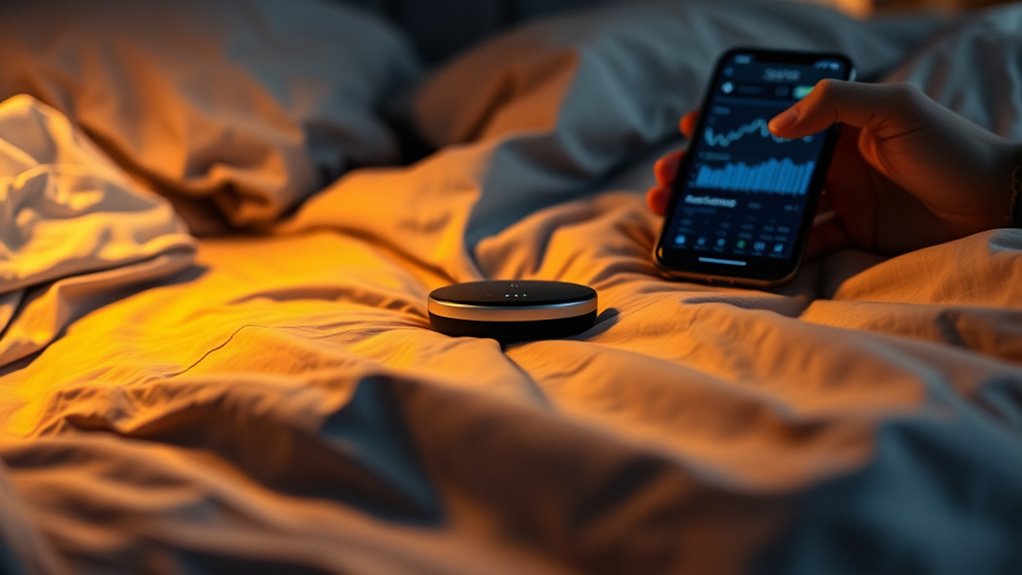
Sleep trackers have become popular tools for monitoring your sleep patterns, but for some people, they can inadvertently worsen insomnia or anxiety about sleep. When you rely on these devices, you might become overly focused on your sleep quality, leading to increased worry if your sleep appears disrupted or less than ideal. This heightened concern can create a feedback loop, where anxiety about not sleeping enough actually makes it harder to fall asleep and stay asleep. Instead of providing reassurance, the data from sleep trackers can sometimes feed into negative mental health strategies, making you more fixated on every little detail rather than relaxing and allowing sleep to come naturally.
Sleep trackers can increase anxiety and disrupt natural sleep patterns when overused or misinterpreted.
If you notice that your sleep tracker results are causing you stress or making you more aware of sleep issues, it’s important to remember that sleep quality isn’t solely determined by numbers. Sleep is inherently variable, and occasional poor nights are normal. Focusing too much on tracking every minute can distract you from adopting healthy sleep habits and relaxation techniques that genuinely improve your mental health and overall sleep patterns. Instead of obsessing over the data, try to use sleep trackers as a gentle guide rather than a strict judge. Recognize that some fluctuation is normal and that your mental health strategies, such as mindfulness, breathing exercises, and establishing a calming bedtime routine, can be much more effective in reducing insomnia and anxiety.
You should also be cautious about how you interpret sleep data. Seeing a lower sleep score or fragmented sleep can trigger unnecessary worry, which might make you more anxious about your sleep in the future. This mindset can create a cycle where anxiety about sleep worsens your sleep quality, defeating the purpose of tracking in the first place. If you find yourself obsessing over your sleep stats, it might be helpful to limit your focus to overall trends rather than daily fluctuations. Use the data to identify patterns that may be influenced by lifestyle factors—like caffeine intake or stress levels—and work on improving those areas through mental health strategies.
Additionally, researching reliable security systems can help you feel more secure in your home environment, which may reduce nighttime anxiety. Ultimately, sleep trackers can be useful tools if used with awareness. They shouldn’t replace good sleep hygiene or mental health strategies aimed at reducing anxiety. Instead, view them as supplementary, not definitive, indicators of your sleep health. Be kind to yourself, keep a balanced perspective, and focus on building a healthy, relaxing bedtime routine that promotes better sleep without the added pressure of constant monitoring.
As an affiliate, we earn on qualifying purchases.
Frequently Asked Questions
Can Sleep Trackers Replace Professional Sleep Assessments?
Sleep trackers can’t fully replace professional sleep assessments because their sleep data isn’t always accurate. While they give you useful insights into your sleep patterns, assessment accuracy varies, and they may miss underlying issues. If you’re concerned about sleep problems, it’s best to consult a healthcare professional for a thorough evaluation. Trusting just a sleep tracker might lead you to overlook important symptoms or underlying health conditions.
Do Sleep Trackers Improve Long-Term Sleep Habits?
Sleep trackers can improve your long-term sleep habits by helping you identify patterns and triggers affecting your sleep. With consistent use, you become more aware of your sleep pattern and can make targeted habit formations, like adjusting bedtime routines or reducing screen time before sleep. Over time, these small changes can lead to better sleep quality, making it easier to maintain healthy sleep habits naturally.
Are There Any Risks Associated With Relying on Sleep Trackers?
Sure, relying on sleep trackers isn’t without risks. You might face privacy concerns as your sleep data becomes a tempting target for hackers or corporations. And don’t forget data accuracy—those devices can sometimes lie about your sleep quality, leading you to stress over phantom issues. So, while tracking can be insightful, stay cautious about how much trust you place in those glowing screens and their questionable data.
How Accurate Are Sleep Trackers for Measuring Sleep Quality?
Sleep trackers offer moderate sleep accuracy, but device reliability varies. You might find that they accurately detect sleep duration but struggle with precise sleep quality details like REM cycles or awakenings. Keep in mind that many devices use movement and heart rate data, which can lead to discrepancies. To get the best insights, choose reputable models, but don’t solely rely on sleep trackers for extensive sleep assessments.
Do Sleep Trackers Help Reduce Anxiety About Sleep Patterns?
Yes, sleep trackers can help reduce your anxiety about sleep patterns by providing clear, real-time data. As you monitor your sleep improvement, you gain a sense of control and understanding, easing worries that keep you awake. This newfound insight often leads to calmer nights, making it easier to relax and fall asleep. The more you track, the more confidence you build in your sleep health, easing anxiety step by step.
As an affiliate, we earn on qualifying purchases.
Conclusion
Sleep trackers can act like a lighthouse guiding you through stormy seas of insomnia or anxiety, providing clarity and insight. While they won’t erase your worries overnight, they can help you understand your sleep patterns and identify triggers. Think of them as your personal compass, steering you toward better rest. With patience and consistent use, these devices can turn the fog of sleepless nights into clearer, calmer mornings.
relaxation and mindfulness sleep tools
As an affiliate, we earn on qualifying purchases.
As an affiliate, we earn on qualifying purchases.
sleep monitoring device with stress reduction
As an affiliate, we earn on qualifying purchases.
As an affiliate, we earn on qualifying purchases.
NFL season / tailgating Picks
team gear
As an affiliate, we earn on qualifying purchases.