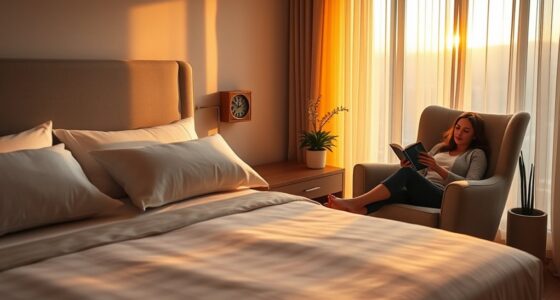
During winter, the lack of sunlight impacts your body’s internal clock, leading to increased production of melatonin, which makes you feel sleepier. Reduced sunlight also lowers serotonin levels, causing mood swings and tiredness. These hormonal shifts are part of Seasonal Affective Disorder, making it harder to stay energized. To better understand why winter darkness affects your sleep and mood, keep exploring how light therapy and lifestyle adjustments can help you feel more balanced.
Key Takeaways
- Reduced sunlight decreases serotonin production, leading to feelings of sadness and sleepiness.
- Longer nights increase melatonin levels, causing fatigue and decreased alertness during winter.
- Lack of natural light disrupts circadian rhythms, making it harder to stay awake and energetic.
- Hormonal shifts during winter, including lower serotonin and higher melatonin, contribute to sleepiness.
- Light therapy can help restore hormonal balance and improve wakefulness in darker months.

Have you ever felt unusually tired, moody, or less motivated during certain times of the year? If so, you’re not alone. Many people experience these shifts in energy and mood during the darker months, a pattern linked to Seasonal Affective Disorder (SAD). As the days grow shorter and the nights longer, your body responds to decreased sunlight by altering its internal clock and hormone production. This change often results in increased sleepiness, feelings of sadness, and a dip in motivation. One effective way to combat these mood changes is through light therapy, which involves exposure to a bright, artificial light that mimics natural sunlight. This treatment can help reset your circadian rhythm, improve your mood, and boost your energy levels. Many individuals find that incorporating regular light therapy sessions into their routine makes a significant difference, helping them feel more alert and balanced during the winter months.
Your body’s reaction to seasonal darkness involves complex hormonal shifts, particularly in serotonin and melatonin levels. Reduced sunlight leads to lower serotonin, the neurotransmitter responsible for feelings of happiness and well-being. When serotonin drops, you may feel more irritable or depressed. Simultaneously, increased melatonin production, which regulates sleep, can make you feel sleepier and more lethargic. These hormonal fluctuations are natural but can become problematic when they are prolonged or intense, as seen in SAD. By increasing your exposure to bright light through light therapy, you can help stabilize these hormone levels. The light acts as a signal to your brain that it’s daytime, helping to regulate your sleep-wake cycle and improve your overall mood. Additionally, choosing light therapy devices with a high color accuracy can enhance the effectiveness of treatment by providing more naturalistic light exposure.
The impact of seasonal mood changes isn’t just about feeling a little down — it can affect your daily functioning, relationships, and overall quality of life. Recognizing the signs early is essential. If you notice persistent fatigue, a lack of interest in activities you usually enjoy, or significant changes in your sleep patterns during winter, consider exploring light therapy options. Combining light therapy with other lifestyle adjustments, like regular exercise and maintaining a consistent sleep schedule, can also help mitigate symptoms. Remember, you don’t have to suffer in silence. Understanding how winter darkness influences your body and taking proactive steps can help you regain your energy and emotional stability. With the right strategies, you can navigate the seasonal darkness more comfortably and emerge feeling more balanced and optimistic when the days start to lengthen again.
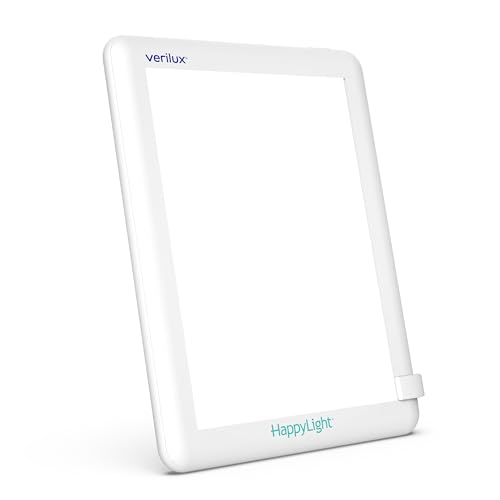
Verilux HappyLight Lucent – One-Touch Light Therapy Lamp with 10,000 Lux, UV-Free, LED Bright White Light & Detachable Stand for Boosting Mood & Improving Sleep
- Easy One-Button Operation: Simple on/off button for quick use
- 10,000 Lux UV-Free Light: Provides effective, safe full-spectrum light
- Enhances Mood and Sleep: Boosts energy, improves focus, and sleep quality
As an affiliate, we earn on qualifying purchases.
As an affiliate, we earn on qualifying purchases.
Frequently Asked Questions
Can SAD Symptoms Appear During Cloudy Summer Days?
Yes, sad symptoms can appear during cloudy summer days. When you experience prolonged periods of cloudy summer weather, it can disrupt your seasonal mood, leading to feelings of sadness or fatigue similar to winter depression. The lack of sunlight affects your serotonin and melatonin levels, which influence your mood and sleep patterns. So, even in summer, extended cloud cover can trigger seasonal mood changes, making you feel more tired or down.
How Does SAD Affect Children Differently Than Adults?
You should know that SAD affects children differently than adults because of their developing brains and resilience levels. Children often display increased irritability, difficulty concentrating, or changes in behavior, which can impact their development. Unlike adults, they might struggle to verbalize their feelings, making these symptoms harder to recognize. Supporting their emotional resilience and understanding developmental impacts helps you manage their mood changes and promote healthier coping strategies.
Are There Genetic Factors That Increase SAD Risk?
Genetic factors can definitely increase your sad risk. If you have a family history or a genetic predisposition, you’re more likely to develop SAD. Your genes play a significant role in how your body responds to changes in light and seasons. By understanding your family history, you can better prepare and seek early intervention. Remember, genetics set the stage, but lifestyle choices can still influence your mental health and mood stability.
Can Diet Influence the Severity of SAD Symptoms?
Yes, your diet can influence the severity of SAD symptoms because light affects mood, and certain dietary nutrients support brain health. Consuming foods rich in omega-3 fatty acids, vitamin D, and complex carbs can boost your mood and energy levels. When you prioritize these nutrients, you may find it easier to cope with winter darkness, as they help regulate your body’s response to reduced light exposure and improve overall emotional resilience.
Is SAD Linked to Other Mental Health Conditions?
Picture yourself in a vintage speakeasy, feeling the weight of winter’s gloom. Seasonal depression often links to other mood disorders, like anxiety or bipolar disorder, making symptoms more intense. You might notice that SAD doesn’t exist alone but interacts with these conditions, compounding your emotional struggles. Recognizing this connection helps you seek appropriate treatment, so you can better manage your mental health during the dark months.

Light Therapy Lamp 15000 Lux, UV-Free Happy Sunlight Lamps with 3 Color Temperatures, Adjustable Brightness, Timer & Memory Function, Full Spectrum Light with Remote Control for Home, Happy Life
- High Lux Brightness: 15000 lux UV-free full-spectrum light
- 360° Full Room Coverage: Uniform all-around illumination
- Multiple Color Temperatures: 2700K to 6500K adjustable
As an affiliate, we earn on qualifying purchases.
As an affiliate, we earn on qualifying purchases.
Conclusion
Understanding how winter darkness triggers Seasonal Affective Disorder helps you see that you’re not alone in feeling sluggish. By recognizing the signs and seeking light therapy or other strategies, you can turn the tide on those sluggish days. Remember, every cloud has a silver lining—sometimes, a little extra effort can brighten your mood. Don’t let the winter blues get the best of you; take steps to bring sunshine back into your life and keep moving forward.

Theralite Aura Bright 10000 Lux Therapy Lamp, Sun Lamp for Light Box Therapy to Fight Low Energy with Adjustable Brightness 4 Light Settings for Sunlight Deprivation for Home and Office Use, White
- Bright Light Intensity: 10,000 LUX glare-free white light
- Adjustable Lamp Angle: Easy angle adjustments for optimal light
- Multiple Light Settings: 4 customizable LED light options
As an affiliate, we earn on qualifying purchases.
As an affiliate, we earn on qualifying purchases.

Geecent Light Therapy Lamp 10000 Lux Sun Lamp, UV-Free with 3 Color Temperatures, 4 Brightness & Timer, Remote Control, Sunlight for Home, Office, Shift Worker
- High Lux Brightness: 10000 lux UV-free full-spectrum light
- Adjustable Color & Brightness: 3 color temperatures, 4 brightness levels
- 360° Light Distribution: Even illumination for entire room
As an affiliate, we earn on qualifying purchases.
As an affiliate, we earn on qualifying purchases.