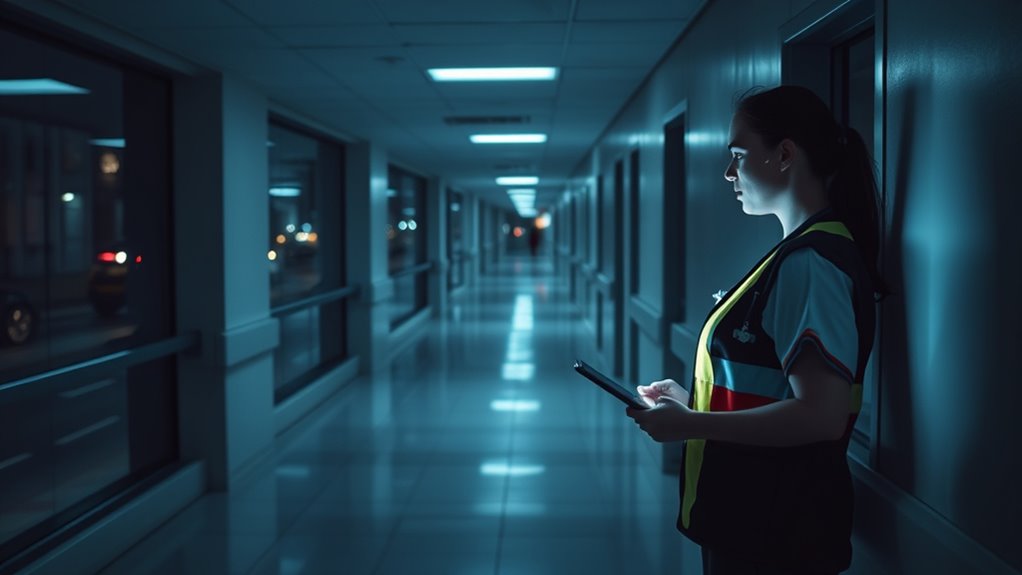

Working night shifts disrupts your internal clock, putting you at higher risk for serious health issues like heart disease, diabetes, and certain cancers. It hampers sleep quality, causes hormonal imbalances, and weakens your immune system. Over time, these effects build up, impacting your overall well-being and daily life. Plus, irregular schedules can strain your social life and mental health. To uncover how to protect yourself better, keep exploring the hidden dangers of working overnight.

Get health and wellness essentials delivered free — and shop member deals
- Fast, free delivery on millions of items
- Access to Prime Big Deal Days deals on October 6–7
- Prime Video, Amazon Music and more included
Key Takeaways
- Night shift work disrupts circadian rhythms, increasing risks of chronic diseases like heart disease, diabetes, and cancer.
- Sleep deprivation during night shifts impairs immune function, decision-making, and overall mental health.
- Hormonal imbalances from irregular sleep patterns contribute to metabolic issues such as weight gain and insulin resistance.
- Long-term circadian misalignment elevates inflammation, accelerating disease progression and worsening health outcomes.
- Lifestyle disruptions and psychological stress from night work negatively affect social life, mental well-being, and healthy habits.

Have you ever wondered how working night shifts might affect your health? When you work against the natural light cycle, your body experiences circadian disruption—a disturbance in your internal clock that regulates sleep, hormone production, and other essential functions. This disruption can throw your entire biological rhythm out of sync, making it harder for your body to perform its usual processes. As a result, you might find yourself feeling tired, irritable, and less alert during your shifts. Over time, this circadian misalignment increases your risk of developing chronic health problems, including heart disease, diabetes, and even certain cancers.
One of the most immediate consequences of working at night is sleep deprivation. When you’re working while the world sleeps, your body struggles to get the restorative sleep it needs during daylight hours. Light exposure during your sleeping hours signals your brain to stay alert, making it difficult to fall asleep or stay asleep for a full night. Sleep deprivation doesn’t just leave you feeling groggy; it impairs cognitive function, hampers decision-making, and weakens your immune system. The lack of quality sleep also affects your mood, heightening feelings of anxiety or depression, which can compound the stress of working irregular hours.
Working night shifts lead to sleep deprivation, impairing mood, immune function, and cognitive performance.
Your body relies heavily on a consistent sleep-wake cycle to maintain health. When that cycle is disrupted, your body produces fewer of the hormones necessary for cell repair and immune defenses. This imbalance can lead to inflammation and an increased vulnerability to illness. Additionally, sleep deprivation can cause metabolic disturbances, increasing the likelihood of weight gain and insulin resistance, which are precursors to type 2 diabetes. The cumulative effect of circadian disruption and sleep deprivation not only impacts your immediate well-being but also raises your long-term risk for serious health conditions.
Furthermore, working night shifts often means your social life and daily routines suffer, adding psychological stress that can exacerbate physical health risks. The irregular schedule makes it harder to maintain healthy eating habits, regular exercise, and social connections—all essential components of overall health. Without proper management, these factors combine, intensifying the health risks associated with working through the night. Recognizing how circadian disruption and sleep deprivation directly impact your health is the first step in taking measures to mitigate these risks. Prioritizing sleep, creating a dark, quiet sleeping environment, and maintaining a consistent schedule can help your body adapt better to night shift work, reducing some of the hidden dangers of working while the world sleeps. Additionally, understanding the biological impacts of shift work can help you implement strategies to protect your health more effectively.
sleep mask for night shift workers
As an affiliate, we earn on qualifying purchases.
As an affiliate, we earn on qualifying purchases.
Frequently Asked Questions
How Does Night Shift Work Impact Mental Health Long-Term?
Night shift work can markedly impact your long-term mental health by causing circadian disruption, which throws off your body’s natural sleep-wake cycle. This disruption can lead to increased stress, anxiety, and depression. Over time, your mental resilience may weaken as your body struggles to adapt. To protect your mental health, prioritize good sleep habits, stay active, and seek support when needed.
Are There Specific Dietary Recommendations for Night Shift Workers?
Imagine your body as a finely-tuned machine operating in the quiet of night. You should focus on smart meal timing, eating balanced, light meals to maintain energy without disrupting sleep. Stay hydrated with water and herbal teas, avoiding caffeine and sugary drinks. Prioritize nutrient-dense snacks like fruits, nuts, and vegetables to fuel your shift. These strategies help protect your health and keep you alert during those long, silent hours.
What Are the Best Sleep Strategies for Night Shift Employees?
To improve your sleep, prioritize good sleep hygiene by creating a dark, cool, and quiet environment. Use blackout curtains and earplugs if needed. Incorporate nap strategies by taking short 20-30 minute naps during breaks to boost alertness. Stick to a consistent sleep schedule, even on days off, and avoid caffeine before sleeping. These habits help your body adapt and make certain of restorative rest during your night shifts.
How Can Employers Support Night Shift Workers’ Health?
To support your health, employers should be proactive and prioritize your well-being. They can improve workplace ergonomics to reduce physical strain and implement flexible shift scheduling policies that allow you to rest properly. By doing so, they help you avoid burning the candle at both ends and balance work-life demands, making night shifts safer and healthier for you. Your health benefits when your employer takes these supportive steps.
Are There Differences in Health Risks Between Rotating and Permanent Night Shifts?
You’ll find that rotating night shifts often lead to greater health disparities and less shift stability compared to permanent night shifts. Rotating schedules disrupt your circadian rhythm more frequently, increasing risks like sleep disorders and cardiovascular issues. In contrast, permanent night shifts offer more stability, helping your body adapt better over time. So, staying on a consistent schedule can reduce health risks and promote better overall well-being.
blue light blocking glasses for sleep
As an affiliate, we earn on qualifying purchases.
As an affiliate, we earn on qualifying purchases.
Conclusion
Remember, “an ounce of prevention is worth a pound of cure.” Working night shifts can take a toll on your health, increasing risks like heart disease, sleep problems, and mental health issues. By prioritizing good sleep habits, nutritious eating, and regular exercise, you can protect yourself. Don’t ignore the hidden dangers—stay proactive and listen to your body. After all, you can’t pour from an empty cup; taking care of yourself is the best investment you can make.
melatonin supplements for shift workers
As an affiliate, we earn on qualifying purchases.
As an affiliate, we earn on qualifying purchases.
immune support supplements for night workers
As an affiliate, we earn on qualifying purchases.
As an affiliate, we earn on qualifying purchases.
Fall Picks
fall essentials
As an affiliate, we earn on qualifying purchases.