Hypervigilance at night makes you hyper-aware of every little noise because your nervous system stays on high alert from past stress or trauma. This heightened awareness causes even minor sounds or movements to feel threatening, waking you up easily. As your senses overreact, your mind keeps scanning for danger, disrupting your sleep cycle. If you want to understand how to reduce this sensitivity and get better rest, there’s more to discover.

Get health and wellness essentials delivered free — and shop member deals
- Fast, free delivery on millions of items
- Access to Prime Big Deal Days deals on October 6–7
- Prime Video, Amazon Music and more included
Key Takeaways
- Hypervigilance heightens sensitivity to environmental noises, making small sounds feel threatening and easily wake you during sleep.
- Anxiety and stress keep your nervous system activated, preventing deep sleep and causing frequent awakenings from minor noises.
- Past trauma or ongoing worries cause your brain to scan for danger, amplifying the perception of benign sounds as threats.
- Sleep disruptions reinforce hypervigilance, creating a cycle where even minor noises trigger alertness and awakening.
- Reducing environmental triggers and practicing relaxation techniques can help decrease noise sensitivity and improve sleep quality.
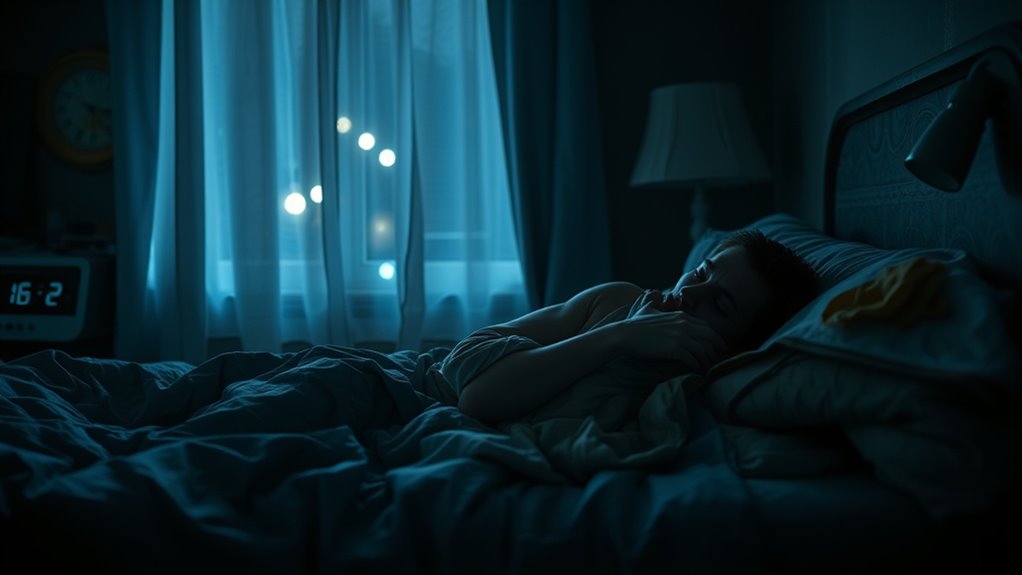
If you find yourself constantly alert and unable to relax at night, you’re experiencing hypervigilance—a heightened state of awareness often linked to stress or trauma. This condition can turn your nights into a series of restless awakenings, where even the smallest noise feels like a threat. Sleep disturbances become a regular part of your routine, leaving you exhausted and frustrated. You might notice that your mind races, scanning your environment for danger, which makes it nearly impossible to settle into restful sleep. Hypervigilance keeps your brain on high alert, making you overly sensitive to any potential anxiety triggers in your surroundings. Every creak, whisper, or shift in the house sounds amplified, pulling you from sleep and reinforcing your anxiety about safety. This cycle feeds into itself: the more you wake up, the more anxious you become about falling asleep again, and so your nights grow more disrupted.
Understanding what causes these sleep disturbances can help you regain some control. Often, hypervigilance develops as a response to trauma or ongoing stress, where your mind perceives threats even when none exist. Anxiety triggers—such as worries about safety, health, or personal issues—can intensify this state. For example, if you’ve experienced a break-in or traumatic event, your brain might remain hyper-aware of potential dangers, even in the safety of your home. Similarly, ongoing anxiety about work, family, or finances can heighten your sensitivity to noises and environmental cues at night. This heightened alertness keeps your nervous system activated, making it difficult to shift into deep, restorative sleep. As a result, you may find yourself waking multiple times, each time more alert than before, making it hard to return to sleep.
You might also notice that certain environmental factors or routines worsen your hypervigilance. Bright lights, loud noises, or cluttered spaces can serve as anxiety triggers, increasing your sense of vulnerability. Even your own thoughts, dwelling on worst-case scenarios or unresolved worries, can keep your mind in a state of hyper-awareness. To combat this, creating a calming bedtime routine, limiting exposure to screens, and reducing environmental triggers can help ease your nervous system. Practicing relaxation techniques like deep breathing or mindfulness can also lower your anxiety, making it easier to drift off and stay asleep. Recognizing the connection between hypervigilance, sleep disturbances, and anxiety triggers is the first step toward breaking the cycle and reclaiming peaceful nights. Incorporating air purifiers to improve air quality can also help reduce environmental stressors that may contribute to hypervigilance and sleep issues.
As an affiliate, we earn on qualifying purchases.
Frequently Asked Questions
Can Hypervigilance Be Linked to Specific Sleep Disorders?
Yes, hypervigilance can be linked to sleep disorders like sleep apnea and restless legs syndrome. When you have sleep apnea, your brain constantly monitors your breathing, making you hyperaware and easily awakened. Restless legs cause discomfort, which heightens your alertness at night. This hypervigilance disrupts sleep, creating a cycle of poor rest and increased sensitivity to noise, further worsening your sleep quality.
How Does Hypervigilance Affect Daytime Functioning?
Imagine walking a tightrope, constantly balancing. Hypervigilance makes you feel alert but exhausted, leading to alertness fatigue. During the day, you may struggle with concentration difficulties, feeling like your mind is clouded. This persistent state of heightened awareness drains your energy and hampers focus, making everyday tasks seem overwhelming. As a result, your daytime functioning suffers, and you find it hard to stay productive or relax, perpetuating the cycle.
Are Certain Medications Effective for Managing Night Hypervigilance?
Certain medications can be effective for managing night hypervigilance, especially sleep aids or anti-anxiety drugs. You might find that prescribed medications improve your sleep quality by reducing your sensitivity to noises. However, medication efficacy varies from person to person, so it’s essential to consult your healthcare provider. They can recommend the right treatment plan, possibly combining medication with therapy, to help you feel more secure and get restful sleep.
Does Hypervigilance Improve With Therapy or Lifestyle Changes?
Yes, hypervigilance can improve with therapy benefits and lifestyle strategies. Therapy, like cognitive-behavioral therapy, helps you identify triggers and develop coping skills, reducing overall hyperawareness. Additionally, lifestyle changes like establishing a relaxing bedtime routine, avoiding caffeine, and managing stress can lower your sleep disturbances. By consistently applying these strategies, you’ll gradually notice a decrease in night hypervigilance, leading to more restful sleep and better overall well-being.
Can Hypervigilance at Night Be a Sign of Underlying Trauma?
Did you know that hypervigilance at night can be a sign of underlying trauma? Your body’s trauma response heightens your alertness, causing sleep disturbances and making every noise feel threatening. This heightened state isn’t just random; it’s your mind trying to protect you from perceived danger rooted in past experiences. Recognizing this link can help you seek targeted support to address both trauma and sleep issues effectively.
earplugs for noise-sensitive sleepers
As an affiliate, we earn on qualifying purchases.
As an affiliate, we earn on qualifying purchases.
Conclusion
When you’re hypervigilant at night, every tiny noise feels like a thunderclap in a silent sky. Remember, your mind is like a wild garden, overgrown with fears that block out peace. But just as dawn chases away darkness, gentle habits and relaxation can soothe your restless nights. Shine a light on your worries, and slowly, you’ll find your sleep returning—peaceful as a calm lake, no longer disturbed by every ripple.
sleep mask for light and noise reduction
As an affiliate, we earn on qualifying purchases.
As an affiliate, we earn on qualifying purchases.
relaxation and stress relief sleep aid
As an affiliate, we earn on qualifying purchases.
As an affiliate, we earn on qualifying purchases.
Fall Picks
fall essentials
As an affiliate, we earn on qualifying purchases.