
TL;DR

Get health and wellness essentials delivered free with Prime
- Fast, free delivery on millions of items
- Prime Video, Amazon Music and more included
- Member-only deals all year
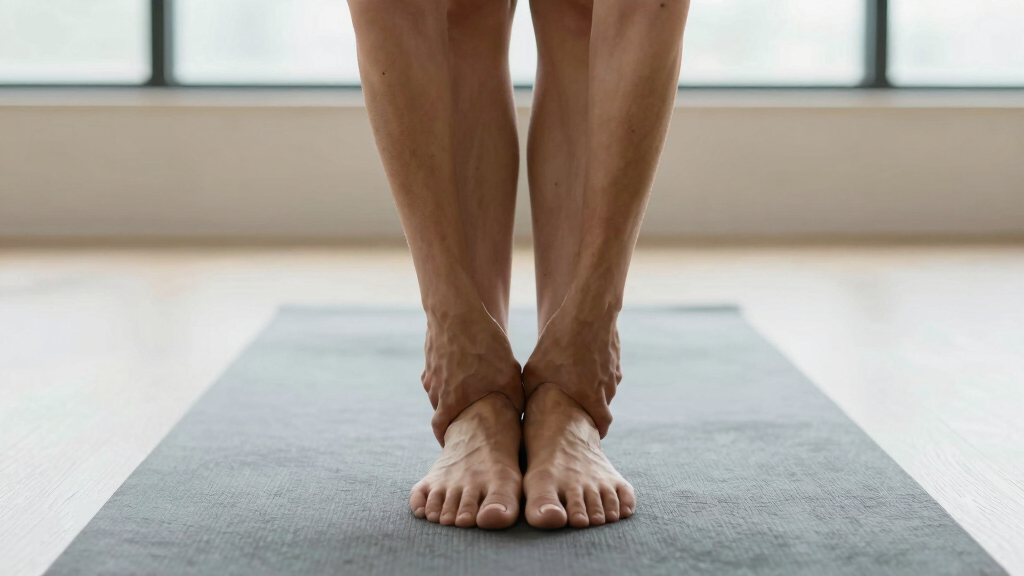
The Reverse Plank (Purvottanasana) is gaining recognition for its unique ability to challenge perceptions of strength. Experts highlight its benefits for balance and core engagement, prompting a reevaluation of what constitutes physical strength in yoga.
Yoga experts are highlighting the Reverse Plank (Purvottanasana) as a pose that challenges traditional ideas of strength, emphasizing its role in developing core stability and balance. This recognition follows recent discussions in the yoga community about the pose’s physical and mental benefits.
Confirmed by yoga authorities and recent publications, Purvottanasana involves supporting the body on the hands and heels, with the chest lifted upward, creating a backbend and requiring significant core engagement. It is often used as a counterpose to forward bends, emphasizing posterior chain strength. According to Yoga Journal, practitioners are discovering that this pose not only enhances physical strength but also fosters mental resilience by encouraging stability and focus. Experts like B.K.S. Iyengar have long emphasized the importance of balanced strength, and recent discussions are positioning Purvottanasana as a modern embodiment of this principle.
Yoga instructors are reporting increased interest in the pose, with some claiming it can be more accessible than traditional backbends and more effective at engaging the posterior chain. The pose’s ability to challenge the perception that strength equals only muscle mass or intensity is gaining attention, especially among practitioners seeking functional strength and mental clarity. However, some caution that proper technique is crucial to avoid strain, and guidance from qualified instructors is recommended for beginners.
Why It Matters
This development matters because it shifts the understanding of strength in yoga from superficial muscle power to a more integrated, balanced approach. Recognizing Purvottanasana’s benefits can influence how practitioners approach their practice, emphasizing stability, endurance, and mental focus. It also broadens the appeal of yoga as a discipline that cultivates resilience beyond physical appearance, impacting both physical health and mental well-being.
As an affiliate, we earn on qualifying purchases.
Background
Purvottanasana has been part of yoga practice for decades but has gained renewed attention in recent years. Traditionally, it has been viewed as an advanced backbend, requiring flexibility and strength. Recent publications, including Yoga Journal’s archives, highlight its role as a counterpose to forward bends and as a tool for developing posterior chain strength. The pose’s emphasis on core stability aligns with modern fitness trends that prioritize functional strength and injury prevention. The current interest reflects a broader movement within yoga to challenge stereotypes about what constitutes strength, incorporating mental aspects alongside physical ones.
“Practitioners are discovering that Purvottanasana not only enhances physical strength but also fosters mental resilience by encouraging stability and focus.”
— Yoga Journal
“Yoga is working your body equally on both sides.”
— B.K.S. Iyengar
non-slip yoga mat for core exercises
As an affiliate, we earn on qualifying purchases.
As an affiliate, we earn on qualifying purchases.
What Remains Unclear
It remains unclear how widely adopted this perspective on Purvottanasana will become among all levels of practitioners. There is also ongoing debate about the best techniques to maximize benefits and minimize risks, especially for those with pre-existing conditions or limited flexibility. Further research is needed to quantify its benefits in strength and mental resilience.
As an affiliate, we earn on qualifying purchases.
What’s Next
Next steps include increased instructional focus on proper technique for Purvottanasana, more empirical studies on its benefits, and broader dissemination through yoga teacher training programs. Practitioners are encouraged to explore the pose under professional guidance to safely incorporate it into their routines.
As an affiliate, we earn on qualifying purchases.
Key Questions
What are the main benefits of Purvottanasana?
The pose enhances posterior chain strength, improves core stability, and fosters mental resilience through stability and focus.
Is Purvottanasana suitable for beginners?
It can be adapted for beginners with modifications, but proper technique and guidance are essential to avoid strain or injury.
How does Purvottanasana challenge traditional ideas of strength?
It emphasizes posterior chain engagement and mental focus over brute force, redefining strength as balance and stability.
Can Purvottanasana replace other backbends?
It serves as a complementary pose, particularly useful as a counterbalance to forward bends, rather than a replacement for more advanced backbends.
Cold & flu season Picks
humidifiers
As an affiliate, we earn on qualifying purchases.