
TL;DR

Get health and wellness essentials delivered free with Prime
- Fast, free delivery on millions of items
- Prime Video, Amazon Music and more included
- Member-only deals all year
Tight hips are common due to modern lifestyles involving prolonged sitting. These five Yin Yoga poses, held for several minutes each, can help release tension and increase mobility. The practice is recommended to be done with support if needed, and results may vary based on individual flexibility.
Yoga practitioners and individuals with hip stiffness now have a targeted set of Yin Yoga poses proven to help release hip tension and improve flexibility. The poses, which involve extended holds, are recommended for those experiencing discomfort from prolonged sitting or stress, and are supported by recent guidance from Yoga Journal.
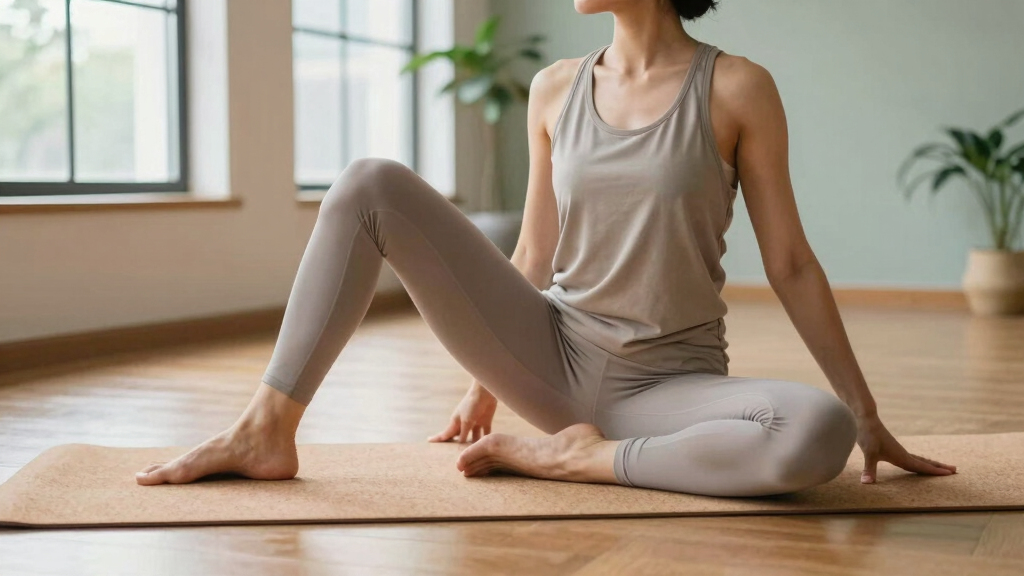
The article details five Yin Yoga poses: Butterfly, Dragonfly, Shoelace, Dragon, and Twisted Roots, each targeting different aspects of hip mobility. It emphasizes holding each pose for three to five minutes to allow deep connective tissue release. Modifications, such as using blocks, cushions, or supports, are advised to accommodate individual flexibility levels. The poses are designed to stretch in all directions—external rotation, abduction, extension, and internal rotation—addressing common areas of tightness.
Practitioners are encouraged to approach the poses with patience, avoiding forcing sensations or pain, and to use props for comfort. The sequence concludes with Corpse Pose to integrate the benefits of the practice. Experts suggest consistent practice can lead to noticeable improvements in hip mobility and reduction in discomfort over time.
Why It Matters
This practice matters because tight hips are a widespread issue linked to sedentary lifestyles, which can cause discomfort, reduce mobility, and contribute to back pain. Incorporating these Yin Yoga poses into regular routines offers a non-invasive, gentle approach to alleviating stiffness and enhancing overall well-being.
Products Worth Considering

Fitbit Versa 2 Health and Fitness Smartwatch with Heart Rate, Alexa, Music, Sleep and Swim Tracking

Garmin Forerunner 70 GPS Running Smartwatch, 43 mm, Black

Oral-B iO Series 3 Rechargeable Electric Toothbrush for Adults, Black
As an affiliate, we earn on qualifying purchases.
Background
Recent health and wellness insights have highlighted the impact of prolonged sitting and stress on hip mobility. Yin Yoga, with its emphasis on long-held stretches, has gained recognition for effectively targeting deep connective tissues and fascia. This approach aligns with growing interest in low-impact, restorative practices for improving flexibility and reducing chronic discomfort.
“Extended holds of Yin Yoga encourage the hips to truly unwind and deepen presence, even amid slight discomfort.”
— Yoga Journal
“Incorporating these poses regularly can significantly improve hip mobility and reduce tension caused by modern sedentary habits.”
— Yoga expert (unnamed)
What Remains Unclear
It is not yet clear how quickly individuals can expect to see measurable improvements in hip flexibility, as results vary based on starting flexibility, consistency, and individual anatomy. Long-term effects of regular practice are still being studied.
What’s Next
Practitioners are advised to incorporate these poses into their weekly routine and monitor their progress. Future research may provide more detailed timelines for improvements and additional modifications for specific needs. Yoga instructors may develop guided sessions based on these poses to enhance accessibility and effectiveness.
Key Questions
How long should I hold each pose?
Each pose should be held for 3 to 5 minutes, depending on your comfort and experience level.
Can I do these poses if I have hip pain or injury?
Consult with a healthcare professional before practicing these poses if you have hip pain or injuries. Use modifications and props to avoid aggravating any condition.
Do I need special equipment for these poses?
Supportive props such as blocks, cushions, bolsters, or blankets are recommended to enhance comfort and accessibility.
How often should I practice these poses?
Practicing 2-3 times per week can help improve flexibility and reduce tension over time.
Source: Yoga Journal