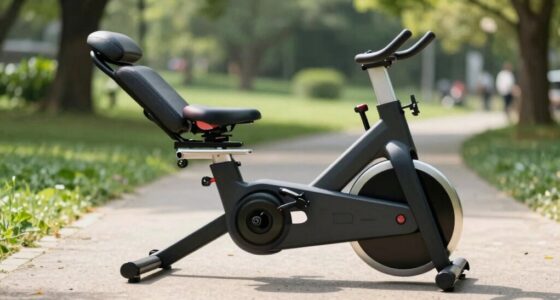

Resting means taking time off from activity to relax and give your body a break, but it doesn’t always lead to real recovery. Recovering involves actively supporting your body and mind through actions like gentle movement, proper nutrition, and quality sleep. These steps help repair muscles, reduce inflammation, and boost mental clarity. If you want to understand how to truly get the most out of your downtime, explore these strategies further for lasting progress.

Get health and wellness essentials delivered free with Prime
- Fast, free delivery on millions of items
- Prime Video, Amazon Music and more included
- Member-only deals all year
Key Takeaways
- Resting involves stopping activity to relax, but recovery actively promotes muscle repair and mental rejuvenation.
- Resting may be passive, while recovery includes intentional actions like stretching, nutrition, and sleep.
- Recovery enhances tissue healing and reduces soreness, whereas resting alone may not facilitate full repair.
- Mental recovery through stress relief techniques supports overall well-being beyond just physical rest.
- Balancing rest and active recovery optimizes healing, resilience, and long-term performance.

Resting and recovering are often used interchangeably, but they serve different purposes in your fitness and health routines. Resting typically means taking a break from physical activity, allowing your body to pause and relax. It’s essential for preventing overuse injuries and giving your muscles a chance to stop feeling sore. However, resting alone doesn’t always mean your body is fully repairing itself or your mind is refreshed. It’s simply a pause, a moment to catch your breath. Recovering, on the other hand, goes deeper. It involves active steps aimed at promoting muscle repair and mental rejuvenation, so you’re ready for your next challenge. Recovery isn’t just about doing nothing; it’s about intentionally supporting your body’s healing process.
When you focus on muscle repair, you’re giving your body the nutrients, rest, and gentle activity it needs to rebuild damaged tissues. This might mean incorporating light stretching, foam rolling, or low-intensity exercises that stimulate blood flow without overtaxing your muscles. Proper recovery also involves proper nutrition—protein and anti-inflammatory foods help your muscles mend faster. Sleep plays a key role here, as it’s when your body produces growth hormone and repairs tissues most efficiently. Incorporating scientific insights about muscle recovery can further optimize your routine. Additionally, understanding the importance of proper recovery techniques can help optimize your overall wellness routine. Engaging in evidence-based methods can further enhance your recovery process and prevent injury. Recognizing the significance of rest and recovery balance helps ensure you’re not just pushing through fatigue but actually healing effectively. Furthermore, active recovery practices can support your progress by promoting circulation and reducing stiffness without overexertion.
Mental rejuvenation is another essential aspect of recovery. Even if you’re physically resting, your mind might still be overwhelmed or stressed. Mental fatigue can impact your motivation, focus, and overall well-being. Recovery routines like meditation, deep breathing exercises, or even taking time to disconnect from screens and work help clear your mind. This mental reset boosts your mood and improves your outlook, making it easier to stay consistent with your fitness goals. So, true recovery isn’t just about taking a break; it’s about nurturing your entire self—body and mind. When you prioritize both muscle repair and mental rejuvenation, you set yourself up for sustainable progress and a healthier, more balanced lifestyle. Remember, resting is important, but recovering is what truly restores your strength, resilience, and mental clarity.
As an affiliate, we earn on qualifying purchases.
Frequently Asked Questions
How Can I Tell if I’M Truly Recovering or Just Resting?
You can tell if you’re truly recovering by noticing improvements in muscle relaxation and sleep quality. If you wake up feeling refreshed, your muscles feel less tense, and your workouts become easier, you’re on the right track. Resting alone isn’t enough; real recovery involves reduced soreness and better sleep patterns. Pay attention to your energy levels and how your body responds over time—these signs show you’re genuinely healing, not just resting.
What Are the Signs of Overtraining Despite Resting?
You might be overtraining even while resting if muscle soreness persists longer than usual and sleep quality declines. Your body may be crying out for help, despite taking breaks. Keep an eye on persistent fatigue, irritability, or a drop in performance. These signs suggest your recovery isn’t complete, and overtraining could be lurking. Listen to your body and adjust your rest days to prevent setbacks.
Does Mental Relaxation Count as Recovery?
Mental relaxation definitely counts as recovery because it promotes mental clarity and reduces stress. When you take time to unwind and clear your mind, you help your body recover from physical and mental fatigue. This kind of relaxation lowers cortisol levels, improves sleep, and restores your overall well-being. So, prioritizing mental relaxation is essential for complete recovery, ensuring you’re ready to perform at your best both physically and mentally.
How Long Should Active Recovery Sessions Last?
Think of active recovery as a gentle cruise rather than a full-throttle race. Usually, 20 to 30 minutes is enough, keeping your muscles moving without overexertion. During this time, focus on hydration strategies and nutritional timing to fuel your body’s repair process. Keep it light, steady, and consistent, allowing your body to soak up the benefits of movement without draining your energy reserves, paving the way for true recovery.
Can Recovery Be Accelerated With Supplements or Methods?
Supplements can support recovery, but their effectiveness varies. Combining proven recovery techniques like proper hydration, balanced nutrition, and quality sleep offers the best results. Some supplements, like protein or omega-3s, may aid muscle repair, but they shouldn’t replace good habits. Use supplements as an addition, not a shortcut. Stay consistent with recovery techniques, and you’ll notice better results faster, helping you bounce back quicker and improve performance.
protein supplements for muscle repair
As an affiliate, we earn on qualifying purchases.
As an affiliate, we earn on qualifying purchases.
Conclusion
So, next time you finish a tough workout, think of resting as simply parking your car, while recovering is like giving it a tune-up. Rest lets you pause, but recovery fuels your engine, preparing you for the road ahead. Picture yourself basking in the warmth of a sunset after a long day—truly refreshed and ready for tomorrow’s journey. Embrace the subtle art of recovering, and watch yourself move forward stronger and more vibrant than ever.
As an affiliate, we earn on qualifying purchases.
meditation app for stress relief
As an affiliate, we earn on qualifying purchases.
As an affiliate, we earn on qualifying purchases.
Halloween Picks
halloween
As an affiliate, we earn on qualifying purchases.