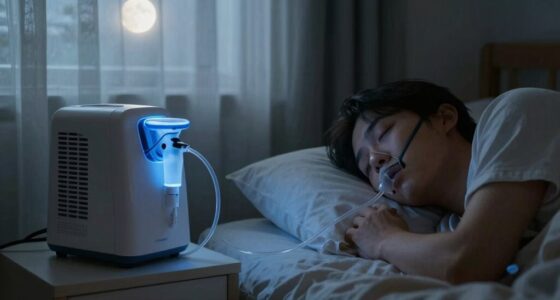
Sleep debt can sneak up on you quietly, long before you notice your mood dips, focus sharpens, or energy fades. You might feel slightly sluggish, rely more on caffeine, or forget small details—subtle signs your body’s telling you it’s missing needed rest. Over days or weeks, these tiny cues stack up, impairing your health and mood without obvious warning. Keep going, and you’ll discover how to spot and address these hidden signs before they become bigger problems.
Key Takeaways
- Subtle mood changes, such as irritability or irritability, can indicate hidden sleep debt.
- Forgetfulness or minor concentration issues may be early signs of accumulating rest deficit.
- Feeling persistently tired despite adequate sleep duration suggests underlying sleep debt buildup.
- Increased reliance on caffeine or energy drinks signals ongoing sleep deprivation.
- Slight disturbances in sleep patterns or drifting dreams can be early indicators of sleep debt development.

Have you ever felt exhausted after a busy week but thought you could catch up on sleep during the weekend? It’s a common mindset, but the truth is, sleep debt isn’t so easily erased. When you don’t get enough sleep over several nights, your body begins to accumulate a rest deficit—an invisible toll on your health and daily functioning. This rest deficit quietly grows, and before you even realize it, you’re already experiencing its effects. You might think you’re just tired, but what’s happening goes deeper than mere fatigue. It’s sleep debt, and it’s robbing you of more than just energy.
One of the first signs of sleep debt is dream deprivation. When you’re chronically sleep-deprived, your REM sleep—the stage where dreams occur—becomes disrupted or shortened. You might notice fewer vivid dreams or even a complete absence of them, which can affect your emotional regulation and mental clarity. Dream deprivation isn’t just about missing out on pleasant experiences; it’s about losing a *vital* process that helps your brain consolidate memories and process emotions. Over time, this can lead to a foggy mind, difficulty concentrating, and mood swings. Recognizing the importance of sleep architecture can help you understand how different sleep stages contribute to overall health. Additionally, understanding how sleep cycles operate can shed light on how essential uninterrupted sleep is for restorative rest. A disruption in these cycles can significantly impair your ability to fully recover overnight. Moreover, consistent disruptions to your sleep patterns can hinder the body’s natural ability to restore itself, making recovery even more difficult. This is why maintaining regular sleep patterns is crucial for preserving sleep quality.
Chronic sleep debt disrupts REM dreams, impairing emotional regulation, memory, and mental clarity over time.
Your body also shows signs of a deepening rest deficit through physical symptoms. You might experience persistent tiredness, even after what you think has been enough sleep. That feeling of sluggishness, difficulty waking up, or a constant need for caffeine isn’t just laziness—it’s your body signaling that it’s running on empty. Sleep debt accumulates, impairing your immune function and increasing your risk for illnesses. It’s as if your body is constantly trying to catch up, but the more you delay, the more the deficit grows.
What’s tricky about sleep debt is that it sneaks up on you. You might tell yourself that a few skipped hours here or there aren’t a big deal, but those small deficits add up. Over days or weeks, they turn into a significant rest deficit, impairing your cognitive functions, mood, and overall well-being. You may feel like you’re managing fine, but your body and brain are quietly suffering. Recognizing the signs early—like mood dips, forgetfulness, or drifting dreams—is *essential* to preventing a full-blown sleep crisis. The more you ignore it, the harder it becomes to restore your natural sleep balance. Prioritizing consistent sleep habits can help prevent this accumulation and support your long-term health. Being aware of how sleep deprivation impacts your mental and physical health can motivate you to make necessary changes before the damage becomes more severe. Understanding the effects of sleep debt on your health can empower you to take proactive steps toward better sleep hygiene.

ganopterygon Smart Bracelet for Men Women,24/7 Heart Rate Monitor, Sleep Tracking, 120+ Sport Modes, Built-in GPS, IP68 Waterproof, 30-Day Battery Life, Includes 2 Replacement Bands(Black)
- All-Day Heart Rate Monitoring: Continuous heart rate tracking and sleep analysis
- 120+ Sport Modes & GPS: Multiple sports tracking with real-time route mapping
- Smart Notifications: Vibration alerts for calls, messages, and apps
As an affiliate, we earn on qualifying purchases.
As an affiliate, we earn on qualifying purchases.
Frequently Asked Questions
How Quickly Can Sleep Debt Affect My Daily Performance?
Sleep debt can impact your daily performance within just a few days of poor sleep. You might notice decreased concentration, slower reaction times, and reduced energy levels. To combat this, prioritize sleep quality by sticking to consistent sleep schedules and using recovery strategies like relaxation techniques or naps. Addressing sleep debt early helps prevent long-term effects and keeps you functioning at your best.
Can Sleep Debt Impact Mental Health Even Without Noticeable Fatigue?
Yes, sleep debt can impact your mental health even without noticeable fatigue. As you accumulate stress, your body releases cortisol, leading to increased stress levels. Sleep deprivation can also cause hormonal imbalances, affecting mood, memory, and decision-making. Over time, this stress accumulation and hormonal disruption may contribute to anxiety or depression, often quietly influencing your mental well-being before you realize you’re experiencing any fatigue.
Is Sleep Debt the Same as Feeling Tired in the Morning?
Sleep debt isn’t the same as feeling tired in the morning; it’s a hidden erosion of your well-being, like a slow leak in your mental reservoir. You may wake up feeling relatively refreshed, but poor sleep quality and insufficient rest duration have quietly chipped away at your energy and focus. Over time, this unseen debt accumulates, subtly sabotaging your mood and cognitive clarity, even when you don’t feel overtly exhausted.
How Do I Track My Sleep Debt Accurately?
To track your sleep debt accurately, start by using sleep tracking devices or apps that monitor your sleep patterns, including duration and quality. Pay attention to your circadian rhythms, which influence your alertness and energy levels throughout the day. Consistently recording these details helps you spot patterns of sleep deprivation. Over time, you’ll see how your sleep habits impact your overall health, making it easier to adjust and reduce your sleep debt.
Can Irregular Sleep Patterns Lead to Unnoticed Sleep Debt?
Yes, irregular sleep patterns can lead to unnoticed sleep debt by disrupting your circadian rhythm and lowering sleep quality. When your sleep schedule varies, your body struggles to maintain a consistent internal clock, making it harder to recognize the cumulative effects. Over time, this disruption causes fatigue and cognitive issues, often without you realizing it. Keeping a regular sleep routine helps maintain ideal sleep quality and prevents unnoticed sleep debt from building up.
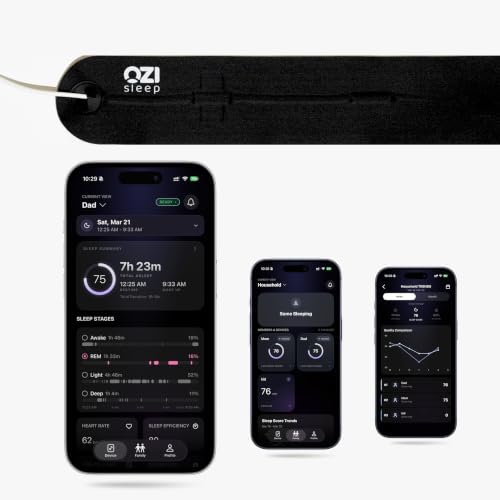
OZI Smart Sleep Tracker, Non-Wearable Contactless Under-Sheet Sleep Monitor
- No Wearable Needed: Slides under sheet to monitor sleep
- Comprehensive Sleep Data: Tracks sleep stages, heart rate, and more
- Real-Time Alerts: Notifications for bed exits and health changes
As an affiliate, we earn on qualifying purchases.
As an affiliate, we earn on qualifying purchases.
Conclusion
Think of sleep debt like a bank account—you might not notice the balance is low until an unexpected expense hits. I once ignored my exhaustion until I hit a wall during a vital presentation, realizing I’d been overdrawing my sleep for weeks. Just like neglecting savings leads to trouble later, ignoring your sleep debt piles up silently. Catch it early, rest up, and keep your mental and physical accounts in the green before it’s too late.

Sports Research® L-Theanine + Caffeine Nootropic Supplement – 60 Softgels
- Enhanced Focus and Alertness: Boosts mental clarity and wakefulness
- Clean Energy Source: Provides 200mg L-theanine and 100mg caffeine
- Includes Coconut MCT Oil: Supports energy and cognitive function
As an affiliate, we earn on qualifying purchases.
As an affiliate, we earn on qualifying purchases.

Ultra Pain Relief Cooling Pillow for Neck Support, Adjustable Cervical Pillow Cozy Sleeping, Odorless Ergonomic Contour Memory Foam Pillows, Orthopedic Bed Pillow for Side Back Stomach Sleeper
- Innovative Hollow Concave Design: Cradles head and aligns neck naturally
- Six Contour Zones for Support: Targets pressure points for full support
- Cooling Pillowcase with Arc-Chill: Reduces skin temperature instantly
As an affiliate, we earn on qualifying purchases.
As an affiliate, we earn on qualifying purchases.