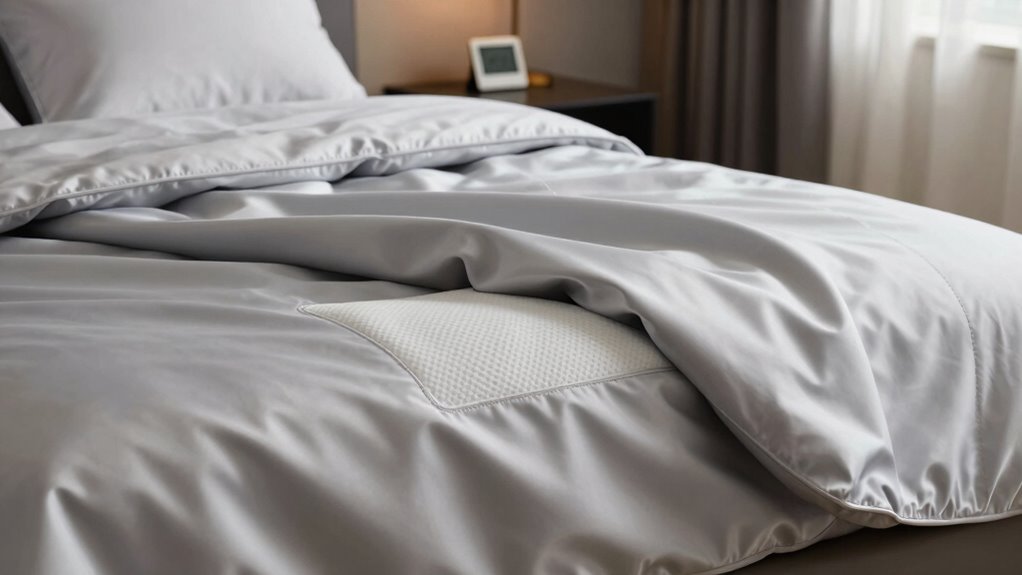

Temperature regulating bedding systems aim to fix the issues caused by traditional bedding, like trapping heat or not adapting to your changing warmth needs. They focus on creating a stable microclimate by using advanced fabrics that wick moisture and respond dynamically to your body temperature. This helps prevent overheating or feeling too cold, promoting better sleep. If you stay with us, you’ll discover how these innovations can transform your sleep comfort and quality.

Get health and wellness essentials delivered free — and shop member deals
- Fast, free delivery on millions of items
- Access to Prime Big Deal Days deals on October 6–7
- Prime Video, Amazon Music and more included
Key Takeaways
- Addressing temperature fluctuations that disrupt sleep quality and cause frequent awakenings.
- Preventing overheating or feeling too cold during different sleep stages.
- Offering durable, washable materials that maintain their temperature-regulating properties over time.
- Managing moisture and sweat to keep the microclimate comfortable and dry.
- Providing a responsive sleep environment that adapts naturally to individual body temperature needs.
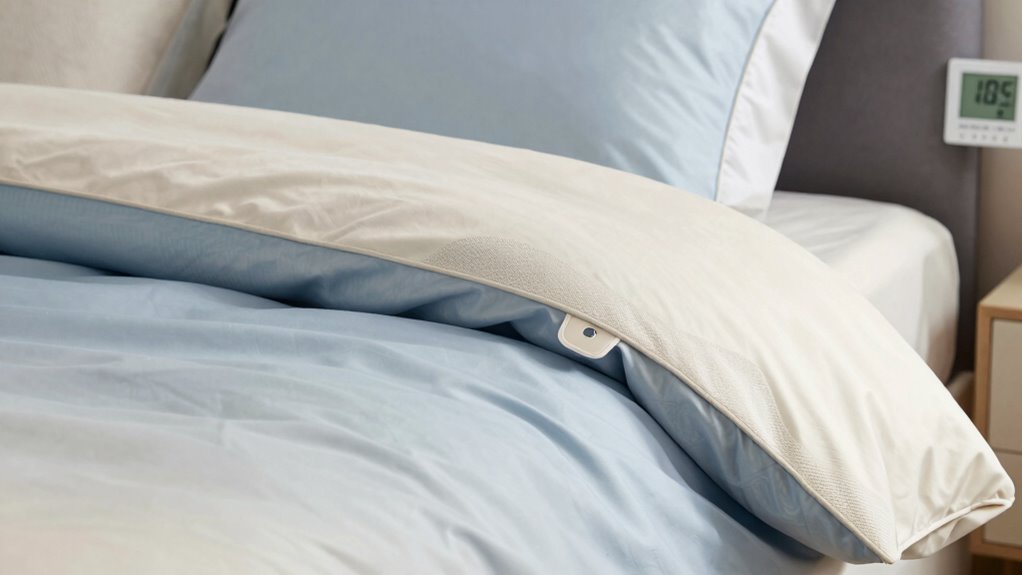
Have you ever struggled to find a comfortable sleep temperature? If so, you’re not alone. Many people toss and turn because their bedding doesn’t respond to their body’s needs, leading to disrupted sleep and frustration. Temperature regulating bedding systems are designed to address this very issue, aiming to create a sleep environment that stays just right throughout the night. They’re not just about cooling or warming; they focus on maintaining consistent comfort, so you can wake up feeling refreshed. These systems often incorporate innovative materials that actively adapt to your body’s temperature, helping you avoid the extremes of overheating or feeling too cold. By doing so, they improve overall sleep comfort, which is essential for restorative rest.
Temperature regulating bedding creates a consistently comfortable sleep environment for restorative rest.
One of the main reasons these bedding systems are gaining popularity is because they tackle the problem at its source: temperature fluctuations that disturb sleep. Traditional blankets or comforters might trap heat or let too much escape, but temperature regulating bedding uses advanced fabrics that respond dynamically. These fabrics are designed for durability, ensuring they withstand repeated washing and daily use without losing their effectiveness. Material durability is *vital* because you want a system that remains reliable over time, rather than one that deteriorates quickly or loses its temperature-regulating properties after a few washes. When you invest in quality bedding, you expect it to last, and these systems deliver on that promise by combining high-performance fabrics with sturdy construction. Additionally, incorporating smart textile technology enhances their ability to respond to your body’s changing needs effectively. This integration of advanced fabric technology ensures long-lasting performance and consistent microclimate regulation.
Furthermore, these bedding systems often feature materials that wick moisture away from your skin, helping you stay dry and comfortable. This moisture management prevents you from waking up feeling clammy or chilled due to sweat buildup. Additionally, innovative fabrics are designed for long-term effectiveness, ensuring that their temperature-regulating properties remain intact through frequent use and washing. Modern fabric technology plays a crucial role in maintaining the microclimate around your body, which is vital for consistent comfort. When combined with microclimate control, these fabrics can adapt more precisely to your body’s needs, enhancing overall sleep quality. By maintaining an *ideal* microclimate around your body, temperature regulating bedding supports deeper, more restful sleep. It’s not just about comfort; it’s about creating a sleep environment that adjusts to your body’s natural rhythms. As a result, you’re less likely to wake up during the night, leading to fewer interruptions and more restorative sleep cycles.
Ultimately, these bedding systems are trying to fix a fundamental problem: the inability of traditional bedding to adapt to your body’s changing needs. They focus on delivering consistent sleep comfort by integrating durable, responsive materials that stand the test of time. With this technology, you get a more stable, comfortable sleep environment, helping you wake up feeling truly rested. It’s about harnessing innovation to improve one of life’s most essential routines—sleep—and making sure it’s as comfortable and restorative as possible.
temperature regulating bedding system
As an affiliate, we earn on qualifying purchases.
As an affiliate, we earn on qualifying purchases.
Frequently Asked Questions
How Do Temperature Regulating Bedding Systems Impact Allergy Sufferers?
Temperature regulating bedding systems can substantially benefit allergy sufferers by using hypoallergenic materials that reduce allergen buildup. They also enhance airflow, which helps keep your bedding dry and discourages mold and dust mites growth. This improved airflow minimizes moisture, making it harder for allergens to thrive. As a result, you experience fewer allergy symptoms, better sleep, and a more comfortable night, especially if you’re sensitive to common allergens.
What Maintenance Is Required for These Bedding Systems?
You need to follow a simple care routine and cleaning procedures for your temperature regulating bedding system. Usually, you should wash the covers or pillowcases weekly with mild detergent, avoiding harsh chemicals that can damage the fabric. Check manufacturer instructions for specific guidance, but generally, spot clean or wash the system periodically to sustain its performance. Regular maintenance ensures your bedding stays fresh, effective, and comfortable for nightly use.
Are Temperature Regulating Beds Suitable for Children?
Imagine your child drifting into peaceful sleep on a bed that adapts to their body temperature—sounds ideal, right? These systems can be appropriate for children if they prioritize child safety and sleep comfort. Look for options with safety features like non-toxic materials and secure controls. Proper supervision ensures your little one benefits from a comfortable, temperature-regulated sleep environment, helping them wake refreshed and ready for the day.
How Long Do Temperature Regulating Bedding Materials Typically Last?
Temperature regulating bedding materials typically last around 3 to 5 years, depending on fabric durability and usage. You might notice the material’s effectiveness decreasing over time as fibers wear or lose their temperature-regulating properties. To maximize their lifespan, follow care instructions carefully, avoid harsh detergents, and consider replacing bedding once you see signs of wear or diminished performance. Proper maintenance helps guarantee your bedding continues to provide comfortable, temperature-controlled sleep.
Can These Systems Be Integrated Into Existing Bedroom Setups?
Yes, you can integrate temperature regulating bedding systems into your existing bedroom setup easily. They blend well with your bedroom aesthetics, enhancing comfort without sacrificing style. These systems support sleep customization, allowing you to adjust temperature for ideal rest. Whether you’re updating your bedding or adding a new layer, these systems adapt seamlessly, making your sleep environment more comfortable while maintaining your room’s visual appeal.
As an affiliate, we earn on qualifying purchases.
Conclusion
So, whether you’re cooling down or warming up, temperature regulating bedding systems aim to balance your comfort, improve your sleep quality, and enhance your overall well-being. They’re designed to adapt to your body’s needs, to keep you dry and cozy, and to create a sleep environment that feels just right. Ultimately, these systems aren’t just about comfort—they’re about helping you wake up refreshed, energized, and ready to face the day.
adaptive cooling and warming comforter
As an affiliate, we earn on qualifying purchases.
As an affiliate, we earn on qualifying purchases.
As an affiliate, we earn on qualifying purchases.
Fall Picks
fall essentials
As an affiliate, we earn on qualifying purchases.