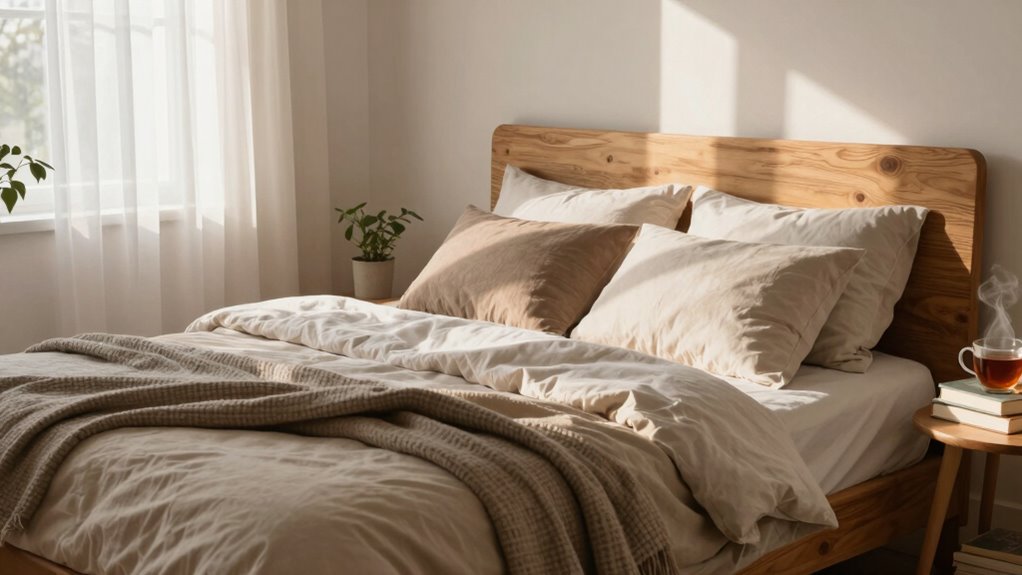

Recovery-focused homes get rest right by creating calm environments where you can easily relax. They incorporate relaxation techniques like deep breathing, mindfulness, and muscle relaxation into daily routines. Thoughtful design includes quiet spaces with minimal distractions that help you focus on healing. Good air quality with proper ventilation and air purification makes breathing easier and promotes comfort. If you explore further, you’ll discover how these elements work together to support your journey to better rest.

Get health and wellness essentials delivered free with Prime
- Fast, free delivery on millions of items
- Prime Video, Amazon Music and more included
- Member-only deals all year
Key Takeaways
- Incorporating designated quiet spaces encourages relaxation and mental clarity during recovery.
- Using calming environment cues helps create a sense of safety and tranquility.
- Integrating relaxation techniques like deep breathing and mindfulness supports stress reduction.
- Ensuring optimal indoor air quality promotes easier breathing and physical comfort.
- Implementing environmental controls, such as ventilation and air purification, enhances overall recovery conditions.
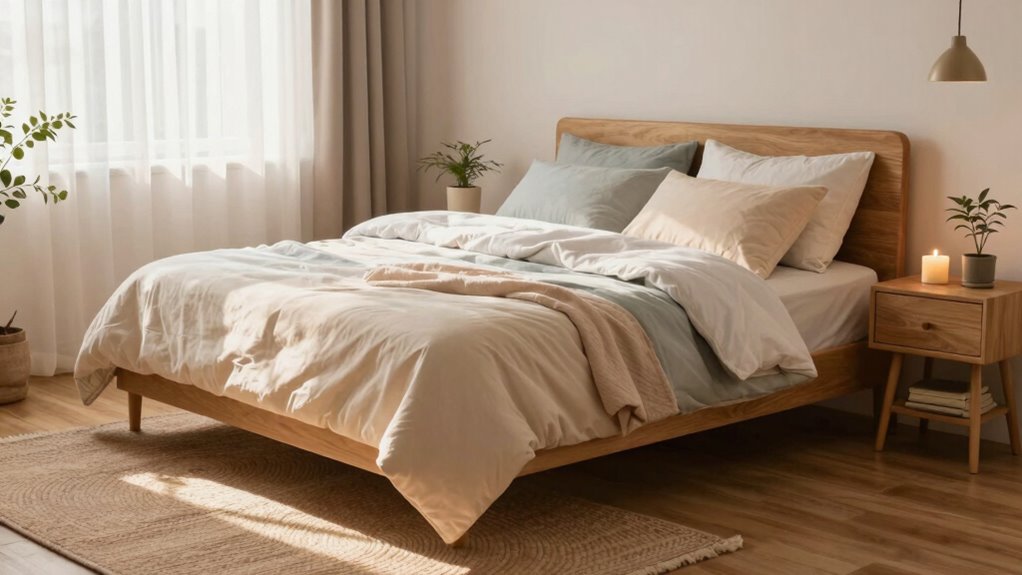
Recovery-focused homes also prioritize relaxation techniques that promote calmness and mental clarity. Techniques like deep breathing, progressive muscle relaxation, or mindfulness meditation are often integrated into daily routines. When your environment encourages these practices, it becomes easier to shift from a busy day into a restful state. For example, a designated quiet space with minimal distractions can serve as a sanctuary for your relaxation exercises. Such spaces help you detach from stressors and focus on calming your mind and body. These relaxation techniques aren’t just fluff—they actively reduce stress hormones and promote a sense of safety and tranquility, which are crucial for recovery. Creating an environment with improved indoor air quality can further enhance relaxation by reducing pollutants and promoting better breathing during rest. Additionally, incorporating proper ventilation can help maintain fresh air and support overall well-being during recovery. Incorporating environmental controls like air purifiers and humidity regulation can optimize the space for restful recovery. Ensuring consistent air circulation also plays a significant role in maintaining a healthy, comfortable environment conducive to healing. Incorporating air quality management strategies can further enhance the environment’s ability to support recovery and well-being.
air purifier for indoor air quality
As an affiliate, we earn on qualifying purchases.
As an affiliate, we earn on qualifying purchases.
Frequently Asked Questions
How Do Recovery Homes Customize Rest Routines for Residents?
You customize rest routines in recovery homes by creating personalized routines tailored to each resident’s needs. You emphasize good sleep hygiene, encouraging habits like consistent sleep schedules and limiting screen time before bed. By understanding individual preferences and challenges, you help residents develop effective strategies for restful sleep, supporting their recovery journey. This personalized approach guarantees each resident gets the restorative rest they need to stay motivated and resilient.
What Role Does Sleep Environment Play in Recovery Homes?
The sleep environment plays a crucial role in recovery homes by promoting good sleep hygiene and supporting rest rituals. You create a calm, comfortable space that minimizes noise and light, helping residents wind down. This environment encourages consistent sleep routines, which are essential for mental and physical healing. By prioritizing these factors, you help residents establish healthy habits, making their recovery journey more effective and sustainable.
Are There Specific Rest Practices Recommended for Mental Health Recovery?
Yes, for mental health recovery, you should practice mindfulness techniques and relaxation exercises regularly. These methods help calm your mind, reduce stress, and improve your sleep quality. Focus on deep breathing, meditation, or gentle stretches before bed. Establish a calming routine, avoid screens, and create a peaceful environment. Consistently incorporating these practices supports your overall recovery, promotes better rest, and strengthens your mental resilience during challenging times.
How Do Recovery Homes Balance Activity and Rest for Residents?
You find that recovery homes balance activity and rest through Holistic Wellness practices, encouraging residents to listen to their bodies and prioritize self-care. Community Support plays a crucial role, offering encouragement and accountability. Scheduled downtime, mindful activities, and group discussions foster a healthy rhythm, helping residents recharge mentally and physically. This balanced approach promotes sustainable recovery, ensuring residents feel supported and motivated on their journey toward health.
What Challenges Do Residents Face in Achieving Quality Rest?
You struggle to find peaceful sleep amid restless nights, your mind racing like stormy seas. Poor sleep hygiene and lingering stress weigh heavily, making it hard to rest deeply. You may lie awake, tangled in worries, or wake up feeling exhausted. Managing stress and establishing a calming bedtime routine are essential. These steps help you quiet your mind, improve sleep quality, and find the rest you need to heal and rebuild.
meditation cushion for relaxation
As an affiliate, we earn on qualifying purchases.
As an affiliate, we earn on qualifying purchases.
Conclusion
So, next time you walk into a recovery-focused home, remember—it’s not just about sobriety or structured routines. It’s about embracing rest as an essential part of healing, even if it feels counterintuitive. Ironically, in a place built on recovery, the true secret is often simply relaxing and letting yourself be. Because sometimes, the greatest act of strength is surrendering to rest — the very thing many think they don’t need.
noise cancelling sleep headphones
As an affiliate, we earn on qualifying purchases.
As an affiliate, we earn on qualifying purchases.
As an affiliate, we earn on qualifying purchases.
Cold & flu season Picks
humidifiers
As an affiliate, we earn on qualifying purchases.