
TL;DR

Get health and wellness essentials delivered free with Prime
- Fast, free delivery on millions of items
- Prime Video, Amazon Music and more included
- Member-only deals all year
A University of Lancashire program places first-year medical students in care homes to talk with residents about their lives, rather than conduct medical assessments. Students’ reflections describe learning to listen and adapt, but the project did not formally measure empathy or establish lasting effects.
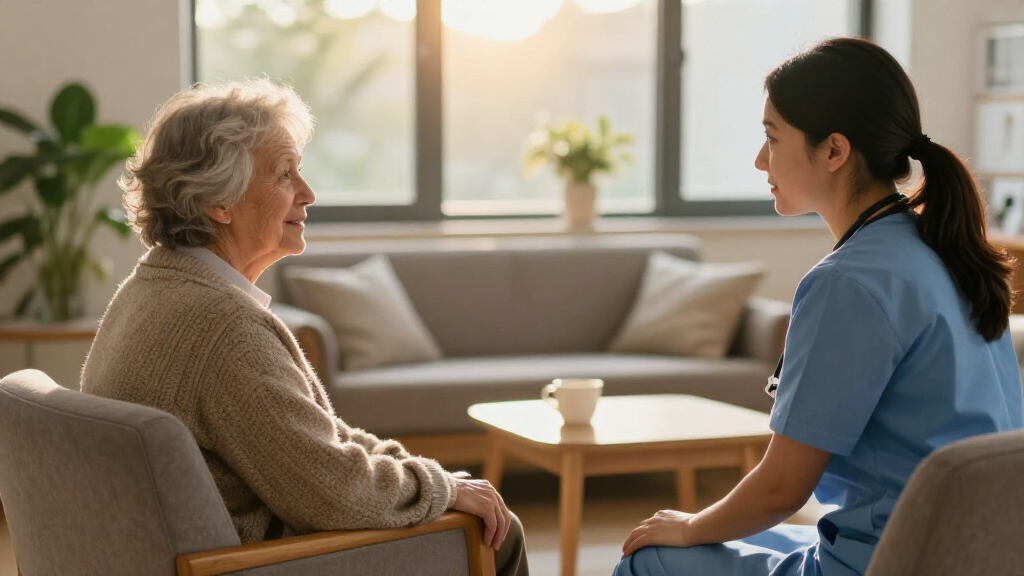
First-year medical students at the University of Lancashire are spending four weeks in care homes getting to know residents through conversation, as part of a program designed to put the person before a medical diagnosis. Reflections from students describe practising attentive listening and adapting communication, but the project did not formally measure empathy or establish whether any learning lasts into clinical training.
The project, called The Person Before the Patient, was developed at the university and piloted in 2023/24. It became compulsory for first-year medical students in 2024/25 and operates across 11 care homes. Students meet residents who may be living with dementia, frailty or long-term conditions. Their task is not to assess medical needs, but to learn about residents’ interests and experiences.
Of 281 students who undertook the placement, 157 voluntarily submitted written reflections for an ethically approved project. These accounts describe students having to respond to what residents chose to discuss, rather than rely on prepared questions. One student said the experience meant listening more, letting the resident lead and becoming comfortable with pauses while they searched for words. The student also reported paying closer attention to facial expressions and gestures.
Another student wrote that being with residents helped them understand empathy in a way that simulated-patient exercises had not. These are students’ reported impressions, not measured outcomes. The report says students who chose to submit reflections may have viewed the placement more positively than those who did not.
Practising Listening Beyond the Clinic
The placement gives students time to speak with older people without the immediate demands of taking a history or reaching a diagnosis. That can let them practise listening at a resident’s pace, noticing nonverbal communication and following the person’s own choice of subject. Those skills can matter in later care, especially when someone has hearing loss or memory difficulties.
The report links this approach to a wider concern about empathy in medical education. Research on whether empathy declines during training is mixed, and students can absorb attitudes from clinical settings as well as formal lessons. A 2023 review of 16 studies identified heavy workloads and poor role models among factors that may encourage emotional detachment. The placement offers one way to create contact with residents early in training, but the reflections do not show that it prevents such detachment.
Residents are participants in the learning, not simply material for it. The report says they should be able to decide whether to take part and what they share. Some homes included residents in discussions about hosting students and, with staff, how placement funding would be used. That involvement matters to whether the encounters are respectful and meaningful for the people who live there.
medical student listening skills training
As an affiliate, we earn on qualifying purchases.
As an affiliate, we earn on qualifying purchases.
How the Care-Home Placement Works
Unlike classroom consultation exercises with actors, the placement is built around residents’ own lives and the conversation they choose to have. Students may arrive with prepared questions, but the report describes learning to set those aside when a resident takes the conversation in another direction. The aim is an early experience of meeting a person before approaching them primarily as a patient.
Other research offers useful but limited comparisons. An Australian study of 61 fifth-year students found that five-day care-home placements improved dementia knowledge and attitudes toward working with older people, although some students questioned the educational value. A New Zealand analysis based on reflections from five students examined hands-on nursing-home care, not conversation-based visits; it found that some encounters helped students recognize residents as individuals, while difficult experiences could leave them overwhelmed.
A UK evaluation of Time for Dementia, a program involving regular visits to people with dementia and their families, reported improvements in students’ knowledge and attitudes but no significant difference in measured empathy compared with other students. The report also cites a review finding little evidence that empathy-training gains persist. These studies differ in design and activity, so they do not establish the effects of the Lancashire placement.
“I had to adapt my communication style. This meant listening more and allowing the resident to lead the conversation, rather than relying on prepared questions.”
— A first-year student reflecting on the placement
elderly care conversation training tools
As an affiliate, we earn on qualifying purchases.
As an affiliate, we earn on qualifying purchases.
What the Reflections Cannot Show
The project gathered voluntary written reflections, not a formal measure of empathy, communication performance or later clinical behaviour. Because only 157 of 281 students submitted reflections, the responses may not represent the whole cohort. The accounts show what respondents felt they learned, but cannot establish that the placement caused lasting changes.
It is also not clear from the report how residents’ experiences were assessed across all participating homes, or how many chose to take part. Care-home managers are reported as saying that many residents enjoy the visits and look forward to students returning, but the supplied account gives no resident survey results or other quantified measure of benefit. The project’s effect on residents, as well as its long-term effect on students, remains uncertain.
As an affiliate, we earn on qualifying purchases.
Evaluating Effects Over Time
The report says a fuller evaluation would need to follow students over time, including after they begin clinical training, rather than rely only on immediate impressions. That would help establish whether reported learning carries into patient interactions and whether any change in empathy can be measured.
For the placements themselves, residents’ choice and involvement remain central questions. Further evaluation could also document residents’ views and how homes make decisions about participation and funding. The source does not give a timeline for such research or announce a new evaluation, so the next formal milestone is not specified.
empathy development for medical students
As an affiliate, we earn on qualifying purchases.
As an affiliate, we earn on qualifying purchases.
Key Questions
What do medical students do during the care-home placement?
They spend four weeks meeting residents and learning about their interests and experiences. The placement is conversation-based; students are not there to diagnose or assess residents’ medical needs.
Where and when did the program begin?
The University of Lancashire piloted The Person Before the Patient in 2023/24. It became compulsory for first-year medical students in 2024/25 and operates across 11 care homes.
Did the project prove that students become more empathetic?
No. Some students said the visits helped them understand empathy, but the project did not formally measure empathy or test whether any change lasted.
Do care-home residents benefit from the visits?
Managers report that many residents enjoy the visits and look forward to students returning. The report does not provide a formal or quantified assessment of residents’ experiences, and says residents should be able to choose whether to take part.
Source: rss
Fall Picks
fall essentials
As an affiliate, we earn on qualifying purchases.