

Making small changes to your environment can greatly improve your sleep quality. Simple adjustments like using earplugs or blackout curtains reduce noise and light, helping your body fall asleep faster and stay asleep longer. Moving your bed away from noisy windows or turning off screens an hour before bed signals your body it’s time to rest. These small tweaks are easy, cost-effective, and can lead to healthier, more restful sleep — if you look closer, you’ll uncover even more tips.

Get health and wellness essentials delivered free with Prime
- Fast, free delivery on millions of items
- Prime Video, Amazon Music and more included
- Member-only deals all year
Key Takeaways
- Small adjustments like blackout curtains or white noise can significantly reduce sleep disruptions caused by noise and light.
- Minimizing external stimuli helps regulate circadian rhythms, making it easier to fall and stay asleep.
- Enhancing sleep environment quality improves sleep stages, leading to better restorative rest.
- Cost-effective tweaks create a more conducive environment for consistent, restful sleep.
- Even minor changes support overall well-being by promoting deeper, more restorative sleep cycles.
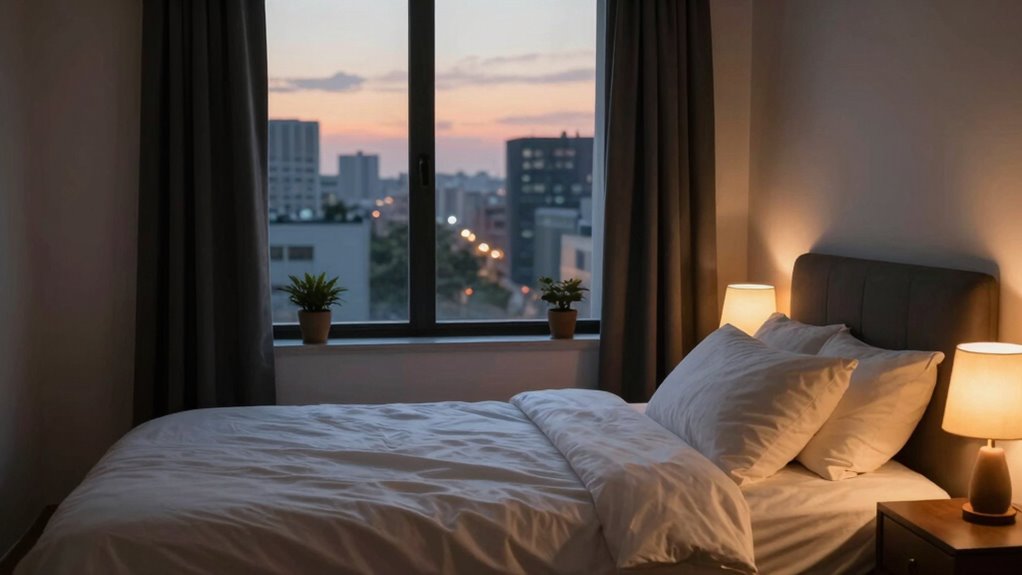
Have you ever wondered how tiny adjustments to your environment can notably improve your sleep? It’s surprising how small changes can make a substantial difference in how well you rest. You might think that only major renovations or expensive gadgets can improve sleep quality, but often, simple tweaks are enough. Two common culprits that disrupt sleep are noise pollution and light exposure. Recognizing how these factors affect you and making slight modifications can lead to better sleep and, consequently, better overall health.
Noise pollution is one of the most overlooked barriers to restful sleep. Even faint sounds, like traffic, sirens, or a snoring partner, can interrupt your sleep cycles. These disruptions prevent you from reaching the deep, restorative stages of sleep your body needs. To combat this, you don’t need to invest in expensive soundproofing. Instead, try using earplugs or a white noise machine to mask disruptive sounds. Moving your bed away from windows or busy streets can also help. If you’re sensitive to noise, consider heavier curtains or double-glazed windows. These small adjustments can considerably reduce external noise, allowing your body to settle into a more stable sleep cycle. Additionally, improving indoor air quality by ensuring proper ventilation can help promote overall sleep comfort and health. Maintaining good indoor air quality is essential because poor air can contribute to discomfort and sleep disturbances.
Light exposure is another key factor that can impact your sleep quality. Our bodies are naturally attuned to the light-dark cycle, and exposure to artificial light, especially before bed, can interfere with your circadian rhythm. Bright screens from phones, tablets, or computers emit blue light, which suppresses melatonin—the hormone responsible for signaling sleep. To improve your sleep, try dimming the lights an hour before bedtime and limiting screen time. Using blackout curtains or sleep masks can block out unwanted light that seeps in through windows. If your bedroom receives a lot of early morning light, consider investing in blackout curtains or a sleep mask to create a darker sleep environment. These small changes can help your body recognize when it’s time to wind down, making it easier to fall asleep and stay asleep through the night. Being mindful of light exposure and how it affects your circadian rhythm can greatly enhance sleep quality.
Incorporating these minor adjustments doesn’t require a complete overhaul of your space. By paying attention to noise pollution and light exposure, and making small, strategic changes, you set the stage for more restful sleep. It’s about creating an environment that signals to your body that it’s time to relax and recover. When your environment aligns with your natural rhythms, sleep becomes more natural and restorative. The best part? These tiny modifications can have a profound impact on how well you sleep, improving your mood, energy, and overall well-being.
As an affiliate, we earn on qualifying purchases.
Frequently Asked Questions
Can Minor Environmental Adjustments Improve Sleep Quality Immediately?
Yes, minor environmental adjustments can improve your sleep quality immediately. By practicing good sleep hygiene, like dimming lights and reducing noise, you create a more conducive environment for rest. Environmental psychology shows that your surroundings influence sleep patterns, so making small changes—such as adjusting room temperature or using blackout curtains—can quickly enhance your sleep quality. These simple steps help signal to your brain that it’s time to wind down.
Do Small Changes Benefit Everyone Equally or Vary by Individual?
You might find that small changes benefit you differently due to individual differences and personal preferences. What helps one person sleep better may not work for another, so it’s essential to tailor your environment. Some thrive in complete darkness, while others prefer a bit of background noise. By experimenting and listening to your body, you can find the perfect tweaks that make a real difference in your sleep quality.
What Are Some Overlooked Environmental Factors Affecting Sleep?
You might overlook ambient noise and sleep hygiene as major factors affecting your sleep. Even subtle sounds from traffic, electronics, or household activity can disrupt your rest, so consider using earplugs or white noise machines. Maintaining good sleep hygiene—like consistent sleep schedules and limiting screens before bed—can markedly improve your sleep quality. Small environmental adjustments like these often make a big difference in how well you sleep each night.
How Long Do Environmental Changes Take to Impact Sleep Patterns?
Environmental changes can influence your sleep duration almost overnight if you’re highly sensitive, like a delicate plant reacting to the slightest breeze. Typically, you might notice improvements or disruptions within a few days to a week, depending on your environmental sensitivity. Small tweaks—like dimming lights or adjusting room temperature—can quickly impact your sleep patterns, but consistent changes often produce the most lasting effects over time.
Are There Any Risks Associated With Making Small Environmental Modifications?
Making small environmental changes generally poses minimal risks, but be mindful of noise pollution and light exposure. Excessive noise can disrupt your sleep, so avoid loud environments near your sleeping area. Similarly, too much light exposure before bed can interfere with melatonin production, making it harder to fall asleep. Adjust your environment gradually, ensuring a quiet, dark space to optimize your sleep quality without introducing new disturbances.
As an affiliate, we earn on qualifying purchases.
Conclusion
So, next time you struggle with sleep, consider tweaking your environment—like dimming the lights or removing noise. Research suggests that even minor changes can considerably improve your rest, supporting the idea that our surroundings deeply influence sleep quality. While some theories propose that small adjustments can trigger big biological shifts, it’s clear that your environment plays an essential role. Start simple, and you might find your nights become calmer and more restorative.
As an affiliate, we earn on qualifying purchases.
As an affiliate, we earn on qualifying purchases.
Fall Picks
fall essentials
As an affiliate, we earn on qualifying purchases.