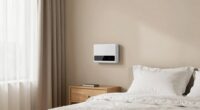
You can often see quick improvements by optimizing your sleep environment with small tweaks, like using white noise to mask disruptive sounds or enhancing air quality through better ventilation. These simple changes can reduce disturbances and promote deeper, more restorative sleep within just a few nights. Setting up a peaceful, comfortable space quickly influences sleep quality and vivid dreams. Keep exploring, and you’ll discover more effective strategies to sleep soundly and wake refreshed.
Open a free Amazon Business account
Business pricing, bulk buying and tax-exempt orders.
As an affiliate, we earn on qualifying purchases.
Key Takeaways
- Using white noise or calming sounds can quickly mask disruptive noises and promote faster sleep onset.
- Improving indoor air quality through ventilation or air purifiers often results in noticeable sleep improvements overnight.
- Making small, targeted adjustments to lighting or temperature can lead to rapid enhancements in sleep quality.
- Tracking sleep patterns helps identify environmental issues, enabling swift and effective environment tweaks.
- Creating a peaceful, clutter-free sleep space promotes quicker relaxation and reduces sleep disturbances.

Have you ever wondered why you struggle to fall asleep or stay asleep through the night? The answer might lie in your sleep environment. Small tweaks can make a big difference, often working faster than you expect. When your surroundings are optimized, you’re more likely to drift off quickly and enjoy restorative sleep. This, in turn, can boost your overall well-being and even enhance dream enhancement, making your dreams more vivid and memorable. Creating a peaceful sleep space isn’t just about comfort; it’s about setting the stage for quality rest. Incorporating digital tools such as white noise apps or sleep trackers can also help you monitor and improve your sleep environment more effectively. Additionally, improving indoor air quality through proper ventilation can reduce allergens and pollutants that disrupt sleep. Ensuring optimal sleep environment conditions can significantly impact sleep quality and duration, leading to more restful nights. Using sleep environment optimization strategies can lead to quicker improvements, often within just a few nights. In fact, paying attention to air quality can sometimes lead to noticeable changes in sleep within a single night.
As an affiliate, we earn on qualifying purchases.
Frequently Asked Questions
Can Sleep Environment Changes Help With Chronic Insomnia?
Yes, improving your sleep environment can help with chronic insomnia. Focus on sleep hygiene by maintaining a consistent bedtime and avoiding screens before sleep. Adjust bedroom lighting to be dim or use blackout curtains, which promotes melatonin production. A comfortable, quiet, and cool room encourages relaxation. These changes create an ideal sleep setting, making it easier for your body to wind down and fall asleep faster, even with persistent insomnia.
How Quickly Can I Notice Improvements After Fixing My Sleep Environment?
Think of fixing your sleep environment like tuning a guitar—sometimes, a small adjustment instantly changes the sound. You might notice improvements in your sleep cycle within a few nights after optimizing bedroom ergonomics and reducing distractions. Many people find that creating a comfortable, dark, and quiet space helps reset their sleep rhythm quickly, often seeing benefits as soon as the first week. Your body responds faster than you might expect.
Are There Specific Colors That Promote Better Sleep?
You’re likely to find that soft, calming colors like blues, greens, or lavenders promote better sleep, thanks to color psychology. These hues create a relaxing atmosphere that helps your mind unwind. When considering sleep lighting, opt for dim, warm lights or blackout curtains to enhance this effect. Combining soothing colors with appropriate sleep lighting can make a noticeable difference in how quickly you fall asleep and improve overall sleep quality.
Should I Use White Noise or Silence for Optimal Sleep?
You should try sound masking with white noise or a dedicated machine, as it often helps block out disruptive sounds better than silence. White noise creates a consistent background that promotes relaxation, while noise cancellation technology can actively minimize external disturbances. Experiment with both to see which helps you fall asleep faster and stay asleep longer. Ultimately, a steady, soothing sound environment enhances sleep quality more effectively than silence alone.
Can Adjusting Room Temperature Alone Improve Sleep Quality?
Yes, adjusting your room temperature can improve sleep quality. Keep it between 60-67°F for ideal rest, as it helps your body relax. Pair this with a sleep mask to block out light and aromatherapy with calming scents like lavender to enhance relaxation. These small changes create a comfortable environment, making it easier to fall asleep faster and enjoy deeper, restorative sleep throughout the night.
As an affiliate, we earn on qualifying purchases.
Conclusion
By making simple adjustments to your sleep environment, you’re fundamentally tuning a delicate instrument, allowing it to resonate perfectly through the night. Small changes—like controlling light, noise, and temperature—can act as the gateway to opening faster, more restful sleep. Think of your bedroom as a sanctuary where harmony reigns; when it’s right, restful nights come swiftly, like a gentle tide washing away the day’s worries. Embrace these fixes, and let peaceful sleep become your new rhythm.
As an affiliate, we earn on qualifying purchases.
As an affiliate, we earn on qualifying purchases.
NFL season / tailgating Picks
team gear
As an affiliate, we earn on qualifying purchases.