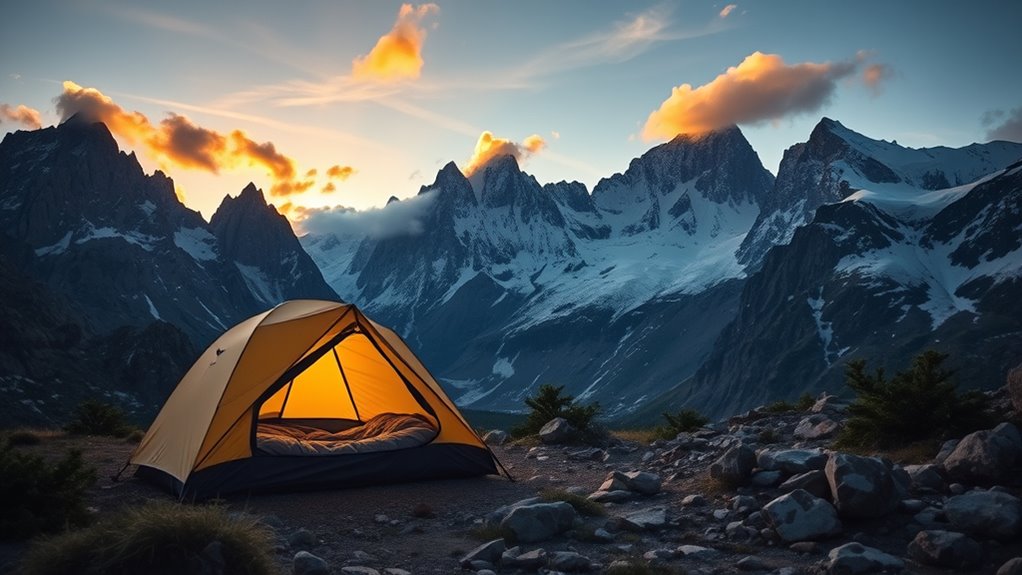

Sleeping at high altitude can cause your sleep to become lighter and more fragmented because reduced oxygen levels make breathing harder and trigger frequent awakenings. You might feel breathless or restless, which disrupts your rest. To improve sleep, try ascending gradually, staying hydrated, and sleeping in well-ventilated areas. Using supplemental oxygen or elevating your head slightly can also help. Keep exploring to discover more effective tips for better high-altitude sleep.
Key Takeaways
- Higher elevations reduce oxygen levels, causing lighter, fragmented sleep and possibly altitude sickness symptoms.
- Increased breathing rate and breathlessness can make relaxing and falling asleep more difficult.
- Gradual ascent, hydration, and avoiding alcohol or sedatives help minimize sleep disruptions.
- Using supplemental oxygen and elevating the head can improve sleep quality at altitude.
- Allowing time for acclimatization and monitoring symptoms promote better, more restful sleep.
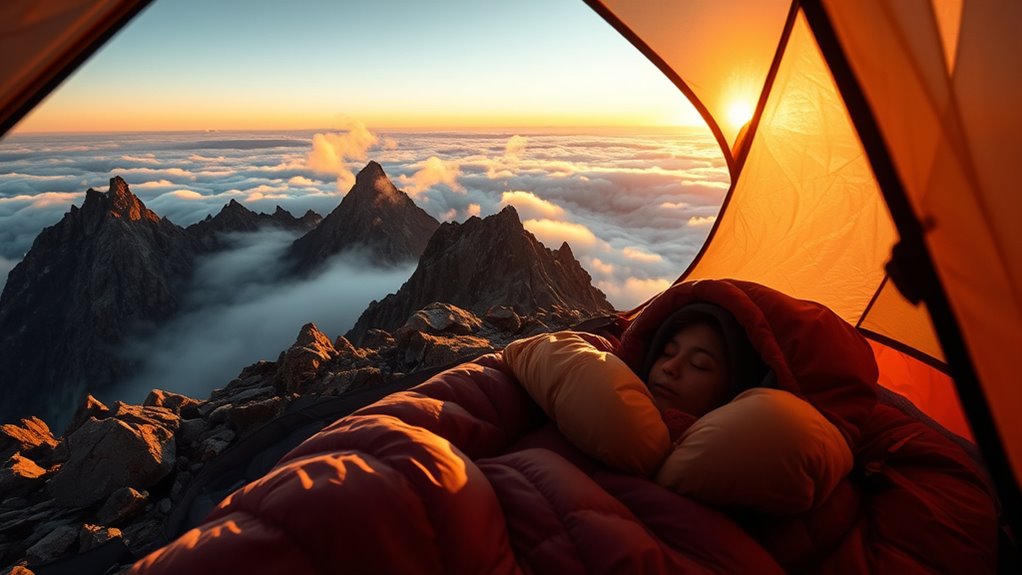
Sleeping at high altitude can be challenging because your body struggles to adjust to lower oxygen levels. When you’re above 8,000 feet, the thinner air means less oxygen is available for your lungs to absorb. This reduction in oxygen levels can lead to altitude sickness, a condition that can disrupt your sleep and make rest difficult. Altitude sickness occurs as your body tries to acclimate to the decreased oxygen, resulting in symptoms like headaches, fatigue, and nausea, which can interfere with falling asleep and staying asleep through the night. Because your body is constantly working to adapt, your sleep cycles become fragmented, often leading to lighter, less restorative sleep.
Sleeping at high altitude can cause sleep disruptions due to reduced oxygen and altitude sickness symptoms.
As you ascend to higher elevations, your body’s response to the reduced oxygen levels can cause a sensation of breathlessness, even when resting. This can make it harder to relax and settle down for sleep. The body’s natural response to low oxygen levels is to increase your breathing rate, which can lead to frequent awakenings during the night. Over time, your body may produce more red blood cells to carry oxygen more efficiently, but this process takes days to weeks, making sleep disturbances common during the initial period of high-altitude exposure. If altitude sickness worsens, it can cause more severe symptoms like brain swelling or fluid buildup in the lungs, further impairing sleep quality.
To minimize these issues, it’s vital to give your body time to acclimate. Ascend gradually if possible, and avoid sleeping at the highest elevation right away. Staying well-hydrated and avoiding alcohol or sedatives can help your body manage the reduced oxygen levels more effectively. Using supplemental oxygen during sleep can be beneficial if symptoms become severe, especially in high-altitude lodges or medical settings. Also, sleeping in a tent or room with good ventilation can improve airflow and oxygen exchange, making it easier to breathe comfortably. Some travelers find that sleeping with their head slightly elevated helps reduce breathing difficulties and alleviates symptoms of altitude sickness. Additionally, understanding the importance of oxygen exchange can help you better prepare for sleep at high elevations.
Ultimately, understanding how altitude affects your oxygen levels and recognizing the signs of altitude sickness are key to improving your sleep at high elevations. By taking proactive steps—such as gradual acclimatization, staying hydrated, and managing symptoms—you can enhance your chances of restful sleep and avoid more serious health issues. Your body needs time to adjust, but with patience and proper care, you’ll be better equipped to enjoy your high-altitude adventures.

Parker Pharmaceutical High Altitude Sleep – Colorado's #1 Product for Better Quality Sleep at Higher Altitudes
- Supports healthy sleep cycle: Maintains restful sleep all night
- Wake up refreshed: Feel revitalized each morning
- Speeds up acclimatization: Eases high-altitude adjustment
As an affiliate, we earn on qualifying purchases.
As an affiliate, we earn on qualifying purchases.
Frequently Asked Questions
Can Altitude Sickness Impact Sleep Quality Long-Term?
Yes, altitude sickness can impact your sleep quality long-term if you don’t adapt properly. It interferes with your altitude adaptation process, causing persistent sleep deprivation and disrupted sleep cycles. Over time, this can lead to ongoing fatigue and health issues. To prevent this, guarantee gradual acclimatization, stay hydrated, and listen to your body’s signals. Proper adaptation helps improve sleep quality and reduces long-term effects of altitude sickness.
Does Acclimatization Eliminate Sleep Disturbances at High Elevation?
Like climbing a steep hill, altitude adaptation gradually eases your sleep disturbances. Acclimatization considerably reduces issues by allowing your body to adjust to lower oxygen levels, creating a better sleep environment. While it may not eliminate all disruptions, consistent high-altitude exposure helps your body adapt, making sleep more restful over time. Keep in mind, patience and gradual ascent are key to achieving better sleep at elevation.
Are Certain Medications Effective for Improving High-Altitude Sleep?
Certain medications, like acetazolamide, are effective for improving sleep at high altitude by reducing symptoms of altitude sickness. However, you should consult a doctor to verify medication effectiveness and to discuss supplement safety, as some supplements may interact with medications or cause unwanted side effects. Always follow medical advice and consider non-pharmacological methods, like proper acclimatization, to support better sleep during high-altitude adventures.
How Does High Altitude Affect REM Sleep Patterns?
High altitude throws your dream cycle off balance like a boat in choppy waters. Oxygen deprivation at high elevation often reduces REM sleep, making your dreams less vivid and shorter. You might find yourself waking up more often, disrupting your sleep patterns. This decrease in REM sleep affects how restorative your sleep feels, leaving you tired. To counteract this, try acclimatization and focus on maintaining steady oxygen levels.
Can Sleep Aids or Supplements Help at High Elevations?
Sleep aids and supplements can help at high elevations, but their effectiveness varies. Natural sleep aids like melatonin or valerian root may promote relaxation and improve sleep quality, yet they might not fully counteract altitude-related disruptions. Always consult a healthcare professional before trying supplements, especially at high altitude. While they can offer some relief, combining them with altitude acclimatization strategies yields the best chance for restful sleep.

Boost Oxygen Pocket Size Natural 3L Canister | Respiratory Support for Aerobic Recovery, Altitude, Performance & Health (2 Pack)
- Pure Oxygen Content: 99.5% natural oxygen for breathing support
- Aromatherapy-Free: Un scented, natural oxygen for clean breathing
- Portable & Lightweight: Convenient 3L canisters for on-the-go use
As an affiliate, we earn on qualifying purchases.
As an affiliate, we earn on qualifying purchases.
Conclusion
Sleeping at high altitude can markedly impact your rest, but understanding how elevation affects your sleep helps you prepare. Did you know that around 70% of travelers experience sleep disturbances when ascending above 8,000 feet? By following tips like gradual acclimatization and staying hydrated, you can improve your chances of restful sleep. Remember, your body needs time to adjust, so listen to it and prioritize your well-being for a safer, more comfortable high-altitude experience.

TANYOO Bed Wedge Pillow for Sleep Apnea 7.5Inch Gerd Pillow Patent Dual Layer Triangle Pillow Adjustable Shredded Memory Foam Topper Soft Support Ideal for Acid Reflux, After Surgery, Snoring
- Dual Layer Construction: Plush shredded memory foam and high-resilience foam
- Detachable Topper: Serves as head, back, or lumbar pillow
- Adjustable Height: Customize from 5.5 to 8.5 inches
As an affiliate, we earn on qualifying purchases.
As an affiliate, we earn on qualifying purchases.

TRAININGMASK – Elevation Training Mask 2.0 – Resistance Training Mask®, High Altitude Mask, Workout Mask (Black, Medium)
- Elevates fitness with simulated altitude: Boosts oxygen uptake and lung capacity
- 36 adjustable resistance levels: Customizable intensity for all fitness levels
- Ergonomic, secure fit design: Ensures comfort during intense workouts
As an affiliate, we earn on qualifying purchases.
As an affiliate, we earn on qualifying purchases.