
TL;DR

Get health and wellness essentials delivered free — and shop member deals
- Fast, free delivery on millions of items
- Access to Prime Big Deal Days deals on October 6–7
- Prime Video, Amazon Music and more included
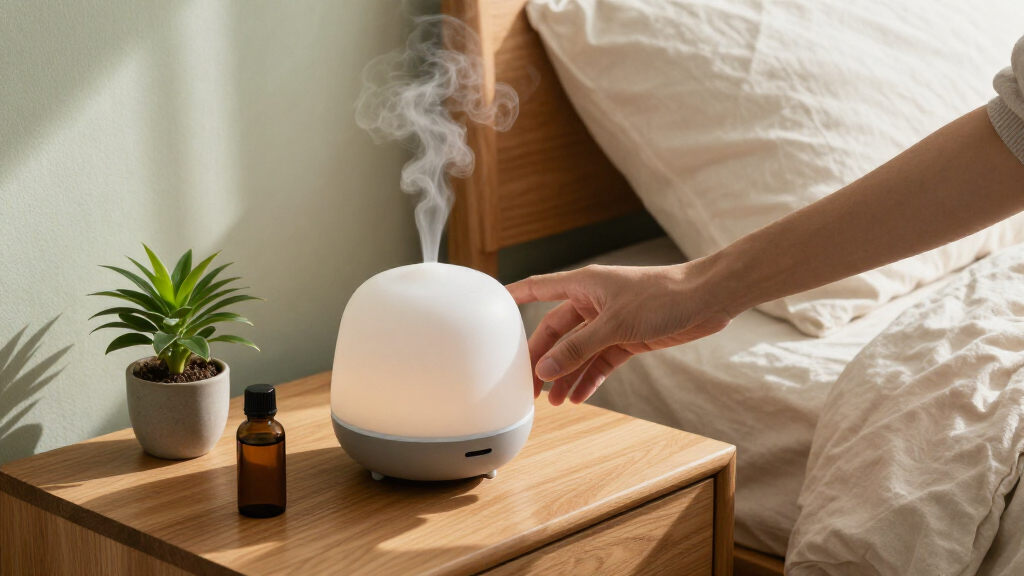
Aromatherapy diffusers disperse essential-oil compounds into the air, and a pleasant scent may help some people feel calmer or settle into a relaxing routine. Research on aromatherapy for relaxation is mixed, so treat a diffuser as a comfort aid rather than medical treatment; use a small amount, ventilate the room, and stop if anyone feels unwell.
A diffuser spreads essential-oil aroma; it is not a medical treatment.
Research on aromatherapy and relaxation is mixed, and scent preference varies from person to person.
Ultrasonic models use water and vibration; nebulizers disperse concentrated oil and often smell stronger.
Follow the device instructions, start with a small amount, ventilate the room, and stop if anyone feels unwell.
Keep oils away from children and pets, and ask a veterinarian or healthcare professional about household-specific concerns.
What an Aromatherapy Diffuser Does to the Air
An aromatherapy diffuser spreads essential-oil compounds into the air so you can smell them; it does not deliver medical treatment. How the device disperses those compounds affects how quickly the scent reaches you and how intense it may feel, which matters when you share a room or are sensitive to fragrance. An ultrasonic diffuser uses water and vibration to make a fine mist, adding a little humidity. Because the oil is diluted in water, the aroma may feel more gradual, though the mist and humidity may be unwelcome in a damp room. A nebulizing diffuser disperses concentrated oil without water, often creating a stronger aroma sooner. That can make the scent more noticeable, but also easier to find overpowering. Evaporative models rely on airflow or a passive surface, while heat models warm the oil, which may alter some volatile compounds. For example, if you want a light scent beside your reading chair, a water-based model may feel gentler than a nebulizer. More fragrance does not mean more relaxation: a stronger scent can draw attention away from reading or bother someone nearby. The useful choice is the one that lets you enjoy the aroma without making the room uncomfortable.Why a Familiar Scent May Help You Unwind
Aromatherapy diffusers for relaxation may help some people feel calmer when they pair a pleasant scent with a quiet, familiar routine. Research on aromatherapy and relaxation is mixed, and results vary by oil, method, setting, and individual; a diffuser is best treated as a comfort aid, not a proven treatment for anxiety or insomnia [1]. That distinction matters because a soothing experience for one person does not establish that the oil itself causes a reliable health benefit. Lavender is often studied, but findings are not conclusive, and there is no universally best oil. Your own preference matters: if lavender reminds you of a stuffy hotel room, it may annoy you rather than soothe you. A scent that feels pleasant can make a routine more inviting; one that feels heavy or unpleasant can undermine the pause you intended to create. Think of scent as one brushstroke in a larger scene. A reader who dims the lights, puts their phone away, and takes a few slow breaths while a subtle citrus scent fills the room may feel more settled because the whole routine signals a pause. The diffuser can be a cue to begin that routine, but it cannot guarantee the same response each time or replace care for persistent anxiety or sleep problems.Choose a Diffuser That Fits Your Room
The best diffuser for your room depends on how much scent you want, whether you prefer water, and how you plan to use it; no type is proven to create more relaxation. The practical tradeoff is control: a stronger or faster scent may be easier to notice, but it can also become overpowering sooner. Here’s a simple comparison to help you choose a starting point [1].| Type | How it spreads scent | What to expect |
|---|---|---|
| Ultrasonic | Water and vibration create a fine mist | Light scent; adds a little humidity |
| Nebulizing | Disperses concentrated oil without water | Often a stronger aroma |
| Evaporative | Airflow or a surface carries evaporating oil | Simple, often more localized scent |
| Heat | Warms oil to release its aroma | Heat may alter some volatile compounds |
Try a Short, Gentle Session Before Bed
To try a diffuser as part of a bedtime routine, begin with the manufacturer’s instructions, use a small amount, and run it briefly in a ventilated room. There is no universal drop count or session length proven to work for everyone, since devices and rooms differ [1]. Starting gently makes it easier to tell whether the scent feels pleasant before it builds up or affects someone else in the home.- Pick a scent you already like. Lavender is popular, but a familiar, pleasant smell is a better starting point than a trend.
- Follow the device manual. Add only the amount the maker recommends; start at the low end if the instructions allow.
- Set a short timer. Try a brief session while you read or stretch, rather than running the device continuously.
- Notice how the room feels. If the smell becomes heavy or anyone coughs, gets a headache, or feels irritation, turn it off and air out the room.
- Clean the diffuser as directed. Regular care helps limit residue and odors; water-based models may need specific cleaning steps.
Keep Diffusing Comfortable for Everyone at Home
Aromatherapy diffusers for relaxation can bother people who are sensitive to airborne scents, so use them only where others can get fresh air and leave the room. Essential oils may trigger headaches, irritation, coughing, or asthma symptoms in some people; stop diffusion if symptoms appear [1]. This is why a pleasant experience for the person using the diffuser is not enough to judge whether it suits a shared space: someone else may be less comfortable even with the same amount of oil. Keep oils and devices out of reach of children, and do not ingest oils or apply them undiluted. Some oils can be harmful if swallowed or absorbed, and certain oils may pose particular risks to cats, dogs, birds, and other animals. Ask a veterinarian about household-specific concerns, especially if your pet spends time in the room. Animals cannot choose how the room is scented as easily as a person can, so access to a separate, unscented space matters. A practical example: if your cat naps beside the diffuser, move the device to a space the cat can avoid and ask your veterinarian about the oil you plan to use. Labels such as “natural” or “therapeutic grade” do not by themselves prove that an oil is safe, pure, or effective [1]. If you cannot confidently keep a person or pet away from the aroma, choosing not to diffuse is the simpler way to avoid exposing them.Treat New Features as Convenience, Not Proof
Modern diffusers may offer app controls, timers, ambient lights, quieter operation, portable designs, or smart-home links, but those features do not show that a device improves relaxation or health outcomes [1]. Their value is practical: they may make a routine easier to start, limit how long the device runs, or help the room feel comfortable. For example, a timer can spare you from leaving a diffuser running while you sleep, and a dimmable light may suit a bedroom better than a bright glow. Those conveniences can support the routine, but they do not make the oil more effective. Refillable designs and ingredient transparency also interest many buyers, yet product claims deserve a careful read because appealing labels do not settle questions about safety or health benefits. Before buying, check the ingredient information and the manufacturer’s care guidance. A simple device that is easy to clean and easy to switch off may fit your routine better than a connected model with features you never use. In practice, a feature is useful if it solves a real problem for you, such as remembering to turn the unit off; it is not evidence that the diffuser will make you relax.What to Remember Before You Buy
A diffuser can support a relaxing moment when the scent feels pleasant and the setup suits your household, but it cannot promise to treat a health condition. Use these key facts for a blog article or for your own shopping notes: preference matters, gentler use is a sensible start, and claims of medical benefit need stronger evidence [1]. Thinking through those points before buying helps keep the choice grounded in what a diffuser can actually offer: aroma and a possible cue for a calming routine.A diffuser spreads fragrance; it does not turn essential oil into a proven treatment.If anxiety or sleep problems persist, talk with a qualified health professional about care options. For everyday unwinding, try the simple scene from earlier: a scent you like, a short session, fresh air, and a quiet routine that helps your evening slow down. If the aroma distracts you or bothers anyone at home, the routine can still work without a diffuser.
Frequently Asked Questions
Do aromatherapy diffusers actually help you relax?
Some people find a familiar, pleasant scent calming, but research on aromatherapy and relaxation is mixed [1]. A diffuser may support a comforting routine, but it is not a proven treatment for anxiety, insomnia, or other conditions.Which essential oil is best for relaxation?
There is no universally best oil. Lavender is popular and often studied, but results are not conclusive, so choose a scent you enjoy and stop using it if it bothers you [1].How long should I run a diffuser?
Follow the device instructions and begin with a short session in a ventilated room. A timer can help, and you should switch it off if the scent feels overpowering or anyone feels unwell; no single duration works for everyone [1].Can I leave a diffuser on overnight?
Check the manufacturer’s guidance before leaving any device running. Continuous diffusion may make a room overpowering or irritate sensitive people, so a brief pre-bedtime session or timer is a more cautious choice [1].Are diffusers safe around pets, babies, or children?
They are not automatically safe for every household. Keep oils and devices out of reach, allow fresh air, and ask a veterinarian or healthcare professional about risks for the specific animal or person [1].Conclusion
Treat a diffuser as one small part of a relaxing routine: choose a scent you enjoy, use it briefly and gently, and pay attention to how everyone in the room feels. Let the aroma fade as the room grows quiet.Fall Picks
fall essentials
As an affiliate, we earn on qualifying purchases.