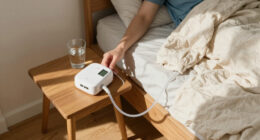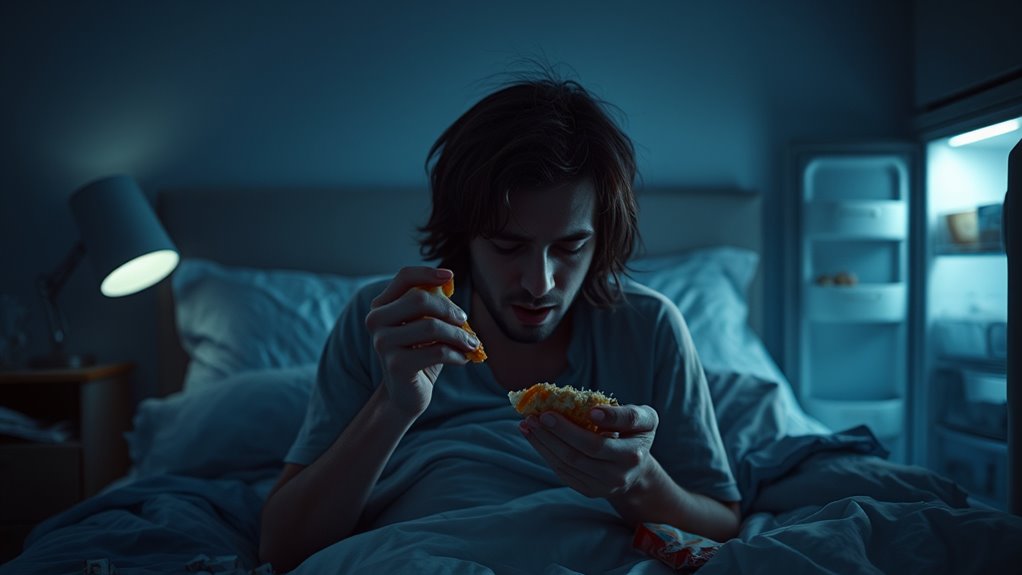

Sleep eating, or nocturnal eating disorder, can be caused by stress, sleep disruptions, medications, or underlying sleep disorders like sleepwalking. To manage it, focus on improving your sleep hygiene, such as maintaining a regular schedule and creating a relaxing environment. Avoid large or sugary foods before bed, and consider relaxation techniques to reduce stress. If episodes become frequent or dangerous, consulting a healthcare professional is essential. Discover more ways to address this issue effectively below.

Get health and wellness essentials delivered free — and shop member deals
- Fast, free delivery on millions of items
- Access to Prime Big Deal Days deals on October 6–7
- Prime Video, Amazon Music and more included
Key Takeaways
- Sleep eating is linked to sleep cycle disruptions, stress, and underlying sleep or psychiatric disorders.
- Managing sleep hygiene, reducing stress, and avoiding large meals before bed can help prevent episodes.
- Medical evaluation, including sleep studies, may be necessary for frequent or dangerous sleepwalking behaviors.
- Creating a safe sleeping environment minimizes risks and messes during nocturnal eating episodes.
- Addressing underlying causes improves sleep quality and reduces the frequency of sleep-eating behaviors.

Have you ever woken up to find food missing from your kitchen or caught yourself eating without remembering it? If so, you might be experiencing sleep eating, a condition also known as nocturnal eating disorder. This disorder involves unusual sleepwalking behaviors that lead you to consume food while you’re not fully conscious. Unlike typical late-night snacking, sleep eating often happens during deep sleep phases, making it easy to forget the act altogether. Many people with this condition report waking up to find wrappers or crumbs around them, yet have no memory of their nighttime food cravings or how they got there. These behaviors can be unsettling and sometimes embarrassing, especially if they happen regularly.
The root causes of sleep eating are complex. Stress, sleep deprivation, and certain medical or psychiatric conditions can all contribute to its development. Sleepwalking behaviors tend to increase when your sleep cycle is disrupted or unbalanced. For some, sleep eating is a way to cope with anxiety or stress, which interfere with restful sleep. Others may have genetic predispositions, as sleep disorders like sleepwalking or REM sleep behavior disorder are often linked to nocturnal eating episodes. Certain medications, especially those affecting the central nervous system, can also trigger nighttime food cravings and sleep-related eating behaviors. It’s important to recognize that sleep eating isn’t just about the food; it’s often a symptom of underlying sleep disturbances or mental health issues that need attention. Additionally, high flow toilets can sometimes cause noise that disrupts sleep, potentially exacerbating sleep-related issues, including sleepwalking behaviors.
Addressing sleep eating involves multiple strategies. Improving your sleep hygiene is a good starting point—establish a consistent sleep schedule, create a relaxing bedtime routine, and limit screen time before bed. Reducing nighttime food cravings can be achieved by avoiding large meals or sugary snacks close to bedtime, which may trigger these behaviors. If stress or anxiety seem to be culprits, consider relaxation techniques like meditation or deep breathing exercises before sleep. In some cases, consulting a healthcare professional is necessary, especially if sleepwalking behaviors are frequent or dangerous. They might recommend sleep studies to identify underlying disorders or prescribe medications that help regulate sleep cycles. Keeping your sleeping environment safe is also essential—remove any items you could harm yourself with or that could cause messes during these episodes. Remember, sleep eating is a serious issue, but with the right approach, you can manage it effectively and improve your overall sleep quality.
sleep hygiene improvement products
As an affiliate, we earn on qualifying purchases.
As an affiliate, we earn on qualifying purchases.
Frequently Asked Questions
Can Sleep Eating Lead to Long-Term Health Complications?
Yes, sleep eating can lead to long-term health complications. You might develop chronic health issues like obesity, diabetes, or cardiovascular problems due to irregular eating patterns and poor nutritional choices during episodes. Over time, these behaviors can cause nutritional deficiencies, weakening your immune system and affecting overall well-being. Addressing sleep eating early helps prevent these serious health risks and promotes better balance and health in the long run.
Are Certain Medications Linked to Sleep Eating Episodes?
Yes, certain medications can be linked to sleep eating episodes due to medication side effects and drug interactions. Some drugs, especially sedatives, antidepressants, or sleep aids, may alter your sleep patterns and increase the likelihood of nocturnal eating. You should always consult your doctor if you notice unusual behaviors after starting new medications, as they can help adjust dosages or suggest alternatives to minimize these effects.
How Is Sleep Eating Differentiated From Other Sleep Disorders?
Did you know that around 1-2% of adults experience sleep eating episodes? Sleep eating differs from other sleep disorders because it involves partial arousals during sleep, often with complex behaviors like eating, but without the vivid dream behaviors seen in nightmares or REM sleep behavior disorder. You might notice disrupted sleep patterns or unexplained nighttime eating, helping distinguish sleep eating from other issues.
What Role Do Genetics Play in Nocturnal Eating Disorder?
You might have a genetic predisposition to nocturnal eating disorder if it runs in your family. Familial patterns suggest that genetics can influence your likelihood of developing this condition. Studies indicate certain genes may affect your appetite regulation and sleep cycles, increasing your risk. While environment also plays a role, understanding your family history can help you recognize potential risks and seek early intervention to manage the disorder effectively.
Can Lifestyle Changes Fully Eliminate Sleep Eating Behaviors?
Can lifestyle changes completely stop sleep eating? Possibly, but it depends on your situation. By improving sleep hygiene and making dietary adjustments, you can notably reduce behaviors, yet some cases might need additional treatment. Think of it as tuning a musical instrument—these changes fine-tune your habits, but if underlying issues exist, professional help ensures a more complete resolution. Are you ready to start making those positive adjustments?
As an affiliate, we earn on qualifying purchases.
Conclusion
If you find yourself waking up to find food missing or eating without remembering, you’re not alone. For example, Sarah, a busy professional, discovered she was eating snacks in her sleep, which impacted her health. By consulting a specialist and adopting better sleep habits, she managed to regain control. If you experience similar issues, don’t ignore them—seek help and make changes. Addressing sleep eating can lead to healthier nights and mornings.
As an affiliate, we earn on qualifying purchases.
As an affiliate, we earn on qualifying purchases.
Fall Picks
fall essentials
As an affiliate, we earn on qualifying purchases.