

Fatal insomnia is a rare, irreversible disorder where your brain cannot initiate or sustain sleep, leading to severe neurological deterioration. Without sleep, crucial brain functions break down, causing hallucinations, confusion, and organ failure. Over time, the damage becomes permanent, and death is inevitable. While it’s extremely rare, understanding this condition emphasizes why sleep is essential for health. If you want to learn more about how this devastating disease works, keep exploring the facts.

Get health and wellness essentials delivered free — and shop member deals
- Fast, free delivery on millions of items
- Access to Prime Big Deal Days deals on October 6–7
- Prime Video, Amazon Music and more included
Key Takeaways
- Fatal insomnia causes irreversible brain damage due to relentless sleep deprivation, ultimately leading to death.
- The disorder destroys sleep-regulating brain regions, preventing restorative sleep and worsening neurological function.
- Prolonged lack of sleep in fatal insomnia results in hallucinations, cognitive decline, and multi-organ failure.
- Unlike temporary sleep deprivation, fatal insomnia’s sleep loss is chronic, progressive, and cannot be reversed.
- Yes, death can occur from the neurological damage caused by the disease, making it a fatal condition.
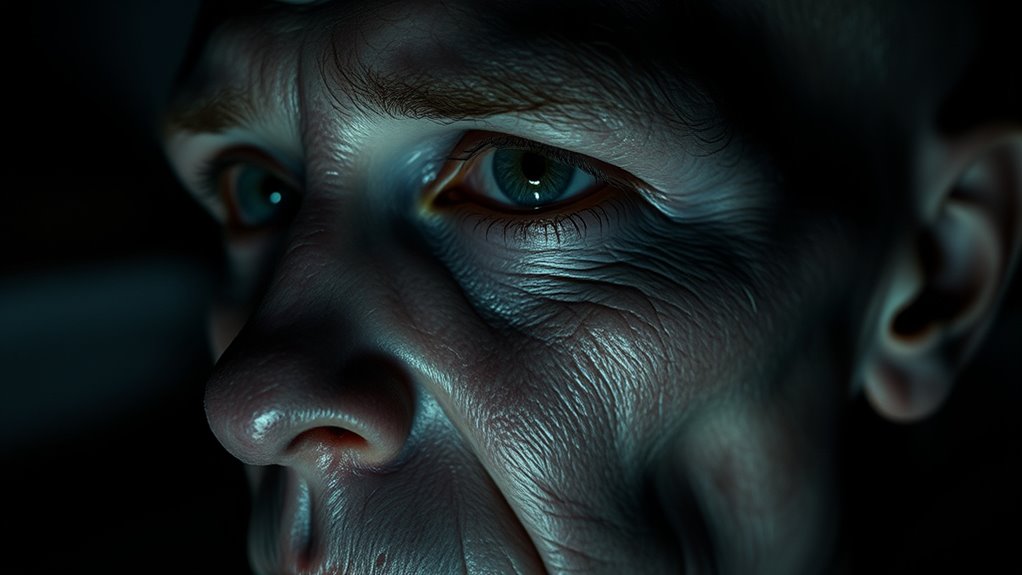
Fatal insomnia is a rare, devastating brain disorder that causes relentless insomnia and eventually leads to death. When this condition takes hold, you find yourself unable to sleep, no matter how tired you are. Unlike typical insomnia, which might last for days or weeks, fatal insomnia progresses rapidly and irreversibly. As your sleep patterns break down, you experience severe sleep deprivation that worsens over time. Without proper rest, your brain begins to suffer significant neurological damage, impairing functions essential for survival.
Fatal insomnia rapidly destroys the brain, leading to irreversible sleep loss and neurological damage.
The core problem in fatal insomnia lies in the deterioration of the brain regions responsible for regulating sleep, particularly the thalamus and parts of the hypothalamus. With ongoing sleep deprivation, your brain can’t perform its essential restorative functions. This relentless lack of sleep leads to a cascade of neurological damage, affecting memory, cognition, and motor skills. Over time, you may notice that your mental clarity diminishes, and coordination becomes impaired. The damage isn’t just temporary; it accumulates, making recovery impossible and accelerating your decline.
Because sleep is indispensable for clearing toxins from your brain and maintaining overall neurological health, its absence in fatal insomnia is catastrophic. As sleep deprivation persists, your brain cells become increasingly vulnerable to damage. This damage can manifest as hallucinations, confusion, and even seizures. You might feel a profound sense of disorientation, and your cognitive functions deteriorate rapidly. The neurological damage caused by this chronic sleep loss is permanent, and it ultimately leads to multi-organ failure as essential systems begin to shut down.
In the early stages, you might struggle to fall asleep or stay asleep, despite feeling exhausted. As the disease progresses, the insomnia becomes unrelenting, and your body is starved of essential restorative sleep. The lack of sleep affects every system in your body, but the brain bears the burden most intensely. The accumulation of neurological damage hampers your body’s ability to regulate vital functions like breathing, heart rate, and temperature. This is why fatal insomnia is considered terminal; the neurological damage is irreversible, and death becomes inevitable once the disease fully manifests.
Understanding the destructive power of sleep deprivation in fatal insomnia highlights just how essential sleep is for your health. It’s a stark reminder that neglecting sleep can have severe consequences, especially when compounded by neurological damage. While fatal insomnia is rare, its progression underscores the importance of addressing sleep issues early, preventing the kind of irreversible brain damage that this deadly disorder causes.
As an affiliate, we earn on qualifying purchases.
Frequently Asked Questions
Can Fatal Insomnia Be Cured or Reversed?
Fatal insomnia cannot be cured or reversed. You can manage symptoms through sleep therapy and medication management, which may help improve sleep quality temporarily. However, there’s no known way to halt or reverse the progression of the disorder. If you suspect you have insomnia or a related sleep disorder, consult a healthcare professional promptly to explore treatment options and prevent worsening symptoms.
Are There Early Warning Signs Before Symptoms Worsen?
Yes, early warning signs of fatal insomnia include persistent sleep deprivation, difficulty falling asleep, and increasing daytime fatigue. You might notice memory problems and mood changes as symptoms progress. Recognizing these early signs is vital, as they indicate the disease is worsening. If you experience these symptoms, seek medical advice promptly to monitor and potentially slow symptom progression, though there’s currently no cure for fatal insomnia.
How Is Fatal Insomnia Diagnosed Definitively?
Coincidences can be chilling, especially when diagnosing fatal insomnia. You’re definitively diagnosed through diagnostic tests like polysomnography and MRI scans, which reveal brain changes. Genetic testing confirms the presence of specific mutations linked to fatal insomnia, providing certainty. If you notice symptoms, consult a specialist promptly, as these tests are vital for an accurate diagnosis, helping you understand your condition and plan essential care.
Is Fatal Insomnia Hereditary or Inherited?
Fatal insomnia is inherited due to a specific genetic mutation, following an autosomal dominant inheritance pattern. If a parent carries this mutation, there’s a 50% chance you’ll inherit it. You might wonder if it’s hereditary; yes, this disorder runs in families because the genetic mutation causes the condition. Understanding this inheritance pattern helps you assess your risk and seek genetic counseling if needed.
What Support Options Are Available for Patients and Families?
You can find support through local support groups and counseling services, which offer emotional comfort and practical advice. While it may seem overwhelming, connecting with others who understand your experience can help you cope better. These resources provide a safe space to share feelings, gain information, and build resilience. Don’t hesitate to reach out—support options are available to help both patients and families navigate this challenging journey.
As an affiliate, we earn on qualifying purchases.
Conclusion
While you might think sleep is just rest, fatal insomnia proves it’s life’s crucial necessity. Imagine losing the ability to sleep, yet staying alive—only to face inevitable decline. It’s a haunting reminder that ignoring your sleep needs isn’t just tiredness; it’s a threat to your very existence. So, cherish each night’s rest, knowing that neglecting sleep can silently, tragically, steal your life away. Sleep isn’t optional—it’s essential for survival.
As an affiliate, we earn on qualifying purchases.
As an affiliate, we earn on qualifying purchases.
Fall Picks
fall essentials
As an affiliate, we earn on qualifying purchases.