
If you twitch in your sleep due to Periodic Limb Movement Disorder, it’s because your legs involuntarily move repeatedly during the night, disrupting your rest. These involuntary movements often happen in your calves or thighs and can be uncomfortable or even painful. They occur without your awareness and can lead to frequent awakenings, leaving you tired during the day. Understanding why this happens can help you find ways to manage it more effectively—learn more to improve your sleep.

Get health and wellness essentials delivered free — and shop member deals
- Fast, free delivery on millions of items
- Access to Prime Big Deal Days deals on October 6–7
- Prime Video, Amazon Music and more included
Key Takeaways
- PLMD involves involuntary, repetitive leg movements during sleep, often causing twitching or movements without conscious awareness.
- These movements are neurological in origin and typically occur at regular intervals throughout the night.
- The twitching results from restless leg sensations and an uncontrollable urge to move, often linked to restless leg syndrome.
- Such involuntary movements disrupt sleep, leading to frequent awakenings, fatigue, and daytime restlessness.
- Identifying PLMD can help seek appropriate treatment to reduce movements and improve sleep quality.
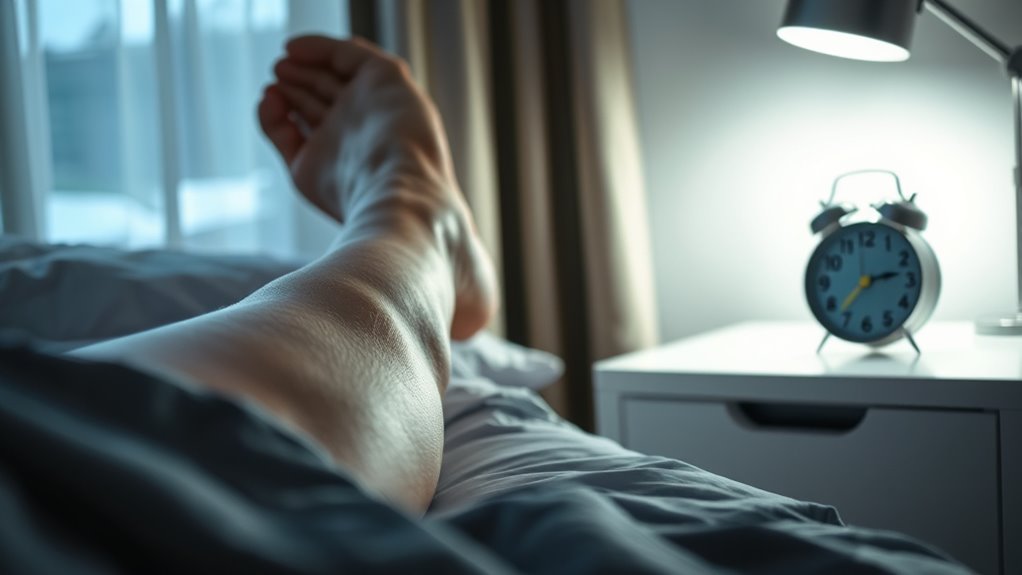
Periodic Limb Movement Disorder (PLMD) is a sleep disorder characterized by repetitive, involuntary leg movements during sleep. You might not even realize these movements are happening, but they can markedly disrupt your rest. These involuntary twitches often occur in the calves or thighs, and they tend to happen at regular intervals throughout the night. As a result, your sleep can become fragmented, leading to frequent awakenings and a feeling of exhaustion during the day. If you notice that your sleep quality isn’t what it used to be or that you frequently wake up feeling unrested, PLMD could be a contributing factor.
One of the key symptoms associated with PLMD is a restless leg sensation. You might feel an uncontrollable urge to move your legs, especially when lying still in bed. This sensation can be uncomfortable or even painful, prompting you to shift positions or move your legs repeatedly. This restlessness doesn’t just disturb your comfort; it also causes sleep interruptions that can prevent you from reaching the deeper, restorative stages of sleep. Over time, these interruptions accumulate, resulting in a cycle of poor sleep quality and daytime fatigue.
Restless legs cause sleep interruptions, leading to poor sleep and daytime fatigue.
The involuntary movements often happen without your awareness, but their effects are tangible. Sleep interruptions caused by these movements can make it difficult to stay asleep or fall back asleep once awakened. You might find yourself waking up multiple times during the night, which hampers your ability to get a restful sleep cycle. This constant disturbance can lead to a sleep-deprived state, impacting your mood, concentration, and overall health. If your partner has mentioned your twitching or restless movements during the night, it’s a sign that PLMD might be affecting you more than you realize.
Understanding that these movements are involuntary is vital. They aren’t caused by conscious habits or external stimuli but are neurological in nature. The exact cause isn’t always clear, but PLMD is often linked with other conditions like restless leg syndrome (RLS), which shares similar symptoms. Both conditions involve uncomfortable sensations in the legs and an urge to move, but PLMD’s hallmark is the repetitive limb movements during sleep that cause frequent disruptions. Recognizing this pattern can help you seek appropriate treatment options to improve your sleep quality. Addressing the disorder can reduce sleep interruptions, ease restless leg sensations, and help you wake up feeling more refreshed, restoring the restful sleep your body needs. Additionally, some studies suggest that support for sleep disorders can be beneficial in managing symptoms and improving overall sleep health.
As an affiliate, we earn on qualifying purchases.
Frequently Asked Questions
Can PLMD Be Linked to Other Sleep Disorders?
Yes, PLMD can be linked to other sleep disorders, often causing sleep disruption. It’s connected to neurological factors that may also influence conditions like restless legs syndrome or sleep apnea. When PLMD occurs, the frequent limb movements can wake you up or prevent deep sleep, worsening overall sleep quality. Recognizing these neurological connections helps you understand how PLMD interacts with other sleep issues, emphasizing the need for targeted treatment.
Are There Specific Medications That Worsen PLMD Symptoms?
Certain medications can worsen PLMD symptoms due to medication side effects and drug interactions. For example, antidepressants, antipsychotics, and some antihistamines may increase muscle activity, making twitches more frequent or severe. Always talk to your doctor before starting or stopping any medication, as they can help you weigh the risks and find alternatives that won’t exacerbate your PLMD symptoms.
How Does Age Influence the Severity of PLMD?
As you age, PLMD symptoms can become more severe due to age-related muscle changes and sleep pattern shifts. Your muscles may weaken or become less responsive, increasing twitching tendencies. Additionally, changes in sleep architecture can lead to lighter, more fragmented sleep, making PLMD episodes more noticeable. These factors combined can heighten your discomfort and disrupt sleep quality, especially in older adults.
Is PLMD More Common in Men or Women?
You might assume PLMD is more common in men, but research shows women often experience it more frequently, especially after menopause. Gender differences and hormonal influences, like decreased estrogen levels, seem to affect its prevalence. These hormonal shifts can increase susceptibility, making women more prone to PLMD. So, while both genders are affected, hormonal influences play a significant role in why women may experience more frequent limb movements during sleep.
Can Lifestyle Changes Reduce PLMD Symptoms?
Yes, lifestyle changes can help reduce your PLMD symptoms. Focus on improving your sleep hygiene by sticking to a consistent sleep schedule, creating a relaxing bedtime routine, and avoiding screens before bed. Dietary adjustments, like reducing caffeine and alcohol intake, can also make a difference. These changes may lessen limb movements during sleep, helping you sleep more peacefully and feel more rested.
restless leg syndrome relief pillow
As an affiliate, we earn on qualifying purchases.
As an affiliate, we earn on qualifying purchases.
Conclusion
Think of your nights as a quiet river, flowing peacefully until those sudden ripples—your limb movements—disturb the surface. These twitches are like gentle waves signaling your body’s need for help, reminding you that beneath the calm, there’s a restless current. Understanding and managing these movements can help restore serenity to your sleep, allowing you to drift back into smooth, undisturbed waters. Embrace this knowledge, and let your nights become a tranquil voyage once more.
As an affiliate, we earn on qualifying purchases.
As an affiliate, we earn on qualifying purchases.
Fall Picks
fall essentials
As an affiliate, we earn on qualifying purchases.