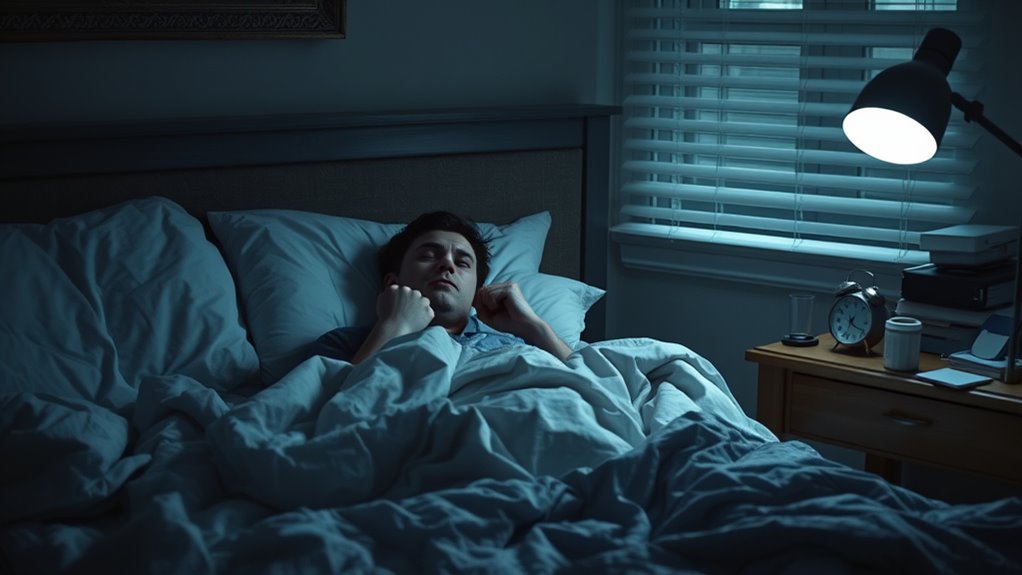

Insomnia makes it hard to fall asleep, stay asleep, or feel rested, often caused by stress, worries, or health issues like hormonal imbalances and medical conditions. External factors such as poor sleep environment, screen time, and habits like caffeine late in the day worsen it. Recognizing symptoms like daytime fatigue and frequent awakenings helps you understand your sleep issues. By addressing these causes and improving your routines, you can enhance your sleep—more details about how to do this await you.

Get health and wellness essentials delivered free — and shop member deals
- Fast, free delivery on millions of items
- Access to Prime Big Deal Days deals on October 6–7
- Prime Video, Amazon Music and more included
Key Takeaways
- Insomnia involves difficulty falling asleep, staying asleep, or achieving restful sleep, affecting overall health.
- Causes include stress, poor sleep hygiene, medical conditions, environmental factors, and sleep disorders like sleep apnea.
- Symptoms include daytime fatigue, irritability, concentration issues, and unrefreshing sleep despite sufficient opportunity.
- Improving sleep hygiene, creating a conducive environment, and establishing routines can help manage insomnia.
- Persistent symptoms warrant consulting a healthcare professional to identify underlying causes and explore treatment options.
best memory foam mattress for back pain
As an affiliate, we earn on qualifying purchases.
As an affiliate, we earn on qualifying purchases.
Understanding Insomnia: An Overview

Insomnia is a common sleep disorder that makes it difficult to fall sleep, stay asleep, or get restful sleep despite having the opportunity to do so. Understanding insomnia involves recognizing how it disrupts your sleep cycle, which is essential for restorative rest. During sleep, your brain goes through different stages, including REM and non-REM, which are crucial for physical and mental health. When insomnia occurs, these stages are often fragmented or shortened, leading to poor sleep quality. Dream analysis can sometimes offer clues about your sleep patterns and underlying stressors affecting your rest. By paying attention to your sleep cycle and any recurring dreams or disturbances, you can better understand how insomnia impacts your sleep and begin to seek effective strategies to restore healthy sleep patterns. Additionally, understanding sleep cycle disruptions can help you identify the underlying causes and develop targeted solutions to improve your sleep quality. Recognizing the role of brain activity during sleep can also provide insights into how insomnia affects your overall health and well-being. Furthermore, increased awareness of sleep architecture can assist in tailoring interventions to improve sleep quality more effectively. Exploring neurophysiological processes involved in sleep regulation can deepen your understanding of insomnia’s effects on your body.
sleep environment improvement kit
As an affiliate, we earn on qualifying purchases.
As an affiliate, we earn on qualifying purchases.
Common Physical Causes of Sleeplessness

Physical issues often disrupt your ability to sleep peacefully, making it harder to fall asleep or stay asleep through the night. Your sleep position plays a vital role; an awkward or strained posture can cause discomfort and prevent restful sleep. Similarly, mattress quality considerably impacts your sleep quality. A mattress that’s too soft, too firm, or worn out can lead to pressure points and misalignment of your spine, causing pain and restlessness. If your sleep surface doesn’t support your body properly, you’re more likely to wake up feeling sore and fatigued. Addressing these physical factors by choosing an ergonomic sleep position and investing in a supportive, high-quality mattress can improve your sleep and reduce sleepless nights caused by physical discomfort. Ensuring your sleep environment is free from supportive mattresses and other physical stressors can make a significant difference in achieving restful sleep. Proper sleep surface support is essential for minimizing pressure points and maintaining spinal alignment. Additionally, selecting a high-quality mattress that suits your personal needs can help prevent long-term physical discomfort and promote better sleep health. Paying attention to sleep surface quality can help alleviate chronic discomfort and improve overall sleep quality.
As an affiliate, we earn on qualifying purchases.
Mental and Emotional Factors Contributing to Insomnia

When your mind races with worries or stressful thoughts, falling asleep becomes much more difficult. Stress factors and poor emotional regulation can keep your brain active when it should be winding down. These mental and emotional issues contribute considerably to insomnia. To manage this, focus on:
- Recognizing triggers that heighten your stress and addressing them proactively.
- Practicing emotional regulation techniques, like deep breathing or mindfulness, to calm your mind.
- Establishing routines that help you shift from stressful moments to relaxation.
- Understanding how color accuracy in visual perceptions can influence mental clarity and emotional calmness.
- Being mindful of how visual perception impacts emotional regulation and mental relaxation, which can affect your ability to fall asleep. Additionally, understanding the role of neuroplasticity can help you develop more effective coping strategies over time. For example, engaging in activities that promote positive brain adaptability can enhance your emotional resilience and sleep quality. Recognizing the importance of sound vibrations in calming the mind can also be beneficial in reducing anxiety before bed.
As an affiliate, we earn on qualifying purchases.
Lifestyle Habits That Impact Sleep Quality

Your daily habits can considerably affect your sleep quality. Consuming caffeine or stimulants late in the day can make it hard to fall asleep, while excessive screen time before bed may interfere with your body’s natural sleep signals. Paying attention to these habits can help you improve your sleep patterns and overall rest. Additionally, creating a calming bedtime routine can further promote better sleep. Being mindful of sleep-disrupting behaviors, such as irregular sleep schedules or consuming heavy meals before bedtime, can also make a significant difference. Recognizing sleep hygiene practices and making small adjustments can lead to more restful nights. Proper body piercing care and hygiene, such as avoiding touching piercings with unwashed hands, can prevent discomfort that might disturb your sleep. Incorporating natural elements like calming scents or ambient lighting can enhance your sleep environment.
Caffeine and Stimulant Use
Caffeine and other stimulants can considerably disrupt sleep patterns, especially when consumed later in the day. When you rely on caffeine for energy, you risk developing caffeine dependence, making it harder to fall asleep naturally. Additionally, stimulant medications prescribed for conditions like ADHD can interfere with your sleep cycle if taken too late. To minimize these issues, consider these points:
- Limit caffeine intake after mid-afternoon to reduce sleep disruption.
- Be cautious with stimulant medications, following your healthcare provider’s timing recommendations.
- Recognize that habitual stimulant use can lead to tolerance, increasing your intake and further impairing sleep quality.
Screen Time Before Bed
Exposing yourself to screens before bed can considerably interfere with your sleep quality. The blue light emitted from devices like smartphones, tablets, and computers suppresses melatonin production, making it harder to fall asleep. To improve your sleep, consider a digital detox at least an hour before bedtime. Reducing screen time allows your brain to wind down naturally and restores your body’s circadian rhythm. If you must use devices, enable blue light filters or glasses designed to block blue light. Establishing a relaxing pre-sleep routine without screens signals to your body that it’s time to rest. Cutting back on screen exposure before bed can considerably enhance your sleep quality and help combat insomnia, leading to more restful, restorative sleep nights.
Medical Conditions Linked to Sleep Difficulties

Several medical conditions can substantially contribute to sleep difficulties, disrupting your ability to fall asleep or stay asleep throughout the night. Sleep disorders like sleep apnea or restless leg syndrome directly impair sleep quality. Mammography guidelines can help detect underlying health issues that may influence sleep. Hormonal imbalances, such as thyroid issues or menopause, can also interfere with your sleep cycle. Understanding these conditions helps you identify underlying causes. Here are key points to contemplate:
- Sleep disorders disrupt normal breathing or movement, causing frequent awakenings.
- Hormonal imbalances affect the regulation of sleep hormones, leading to insomnia.
- Managing these conditions often requires medical intervention for improved sleep quality.
- Incorporating proper filtration systems can help address environmental factors that may influence sleep hygiene.
- Recognizing the role of underlying medical conditions is crucial for effective treatment and better sleep health.
Being aware of these factors empowers you to seek appropriate diagnosis and treatment, helping restore restful nights.
Recognizing the Symptoms of Chronic Insomnia

If medical conditions are causing sleep disruptions, it’s important to recognize the signs of persistent sleep problems yourself. Chronic insomnia often manifests as ongoing difficulty falling asleep, staying asleep, or waking too early. You may notice dream deprivation, where your dreams become less frequent or vivid, leaving you feeling unrefreshed. Sleep disturbance can also cause daytime fatigue, irritability, and difficulty concentrating. You might find yourself constantly tired, even after what seems like enough sleep. Recognizing these symptoms early helps you understand if your sleep issues are persistent and not just occasional. Understanding sleep hygiene and adopting better habits can make a significant difference. Poor sleep hygiene is a common contributor to Chronic insomnia, and addressing it can often improve your sleep quality. Additionally, being aware of sleep environment factors can help you identify external influences disrupting your rest. If these signs persist for several weeks, it’s a clear indicator of chronic insomnia that needs attention. Being aware of these symptoms is the first step toward seeking effective treatment.
How Sleep Environment Affects Restorative Sleep
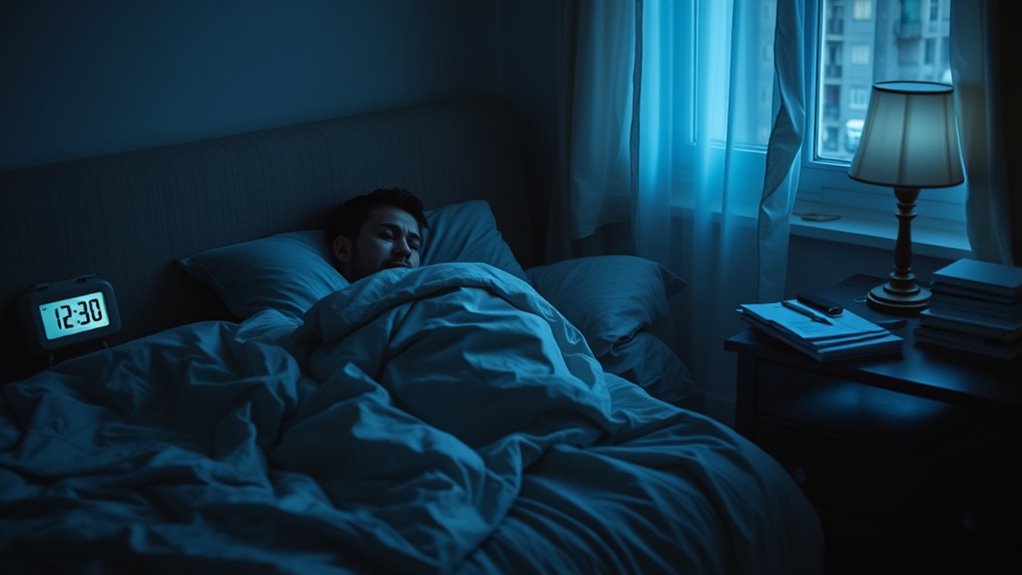
Your sleep environment plays a crucial role in determining the quality of your rest. Factors like light pollution and bedroom temperature directly influence how restorative your sleep is. To optimize your environment, consider these key points:
- Minimize light pollution by using blackout curtains or an eye mask, ensuring darkness signals your body it’s time to rest.
- Keep your bedroom at a comfortable temperature, ideally between 60-67°F (15-19°C), to help your body settle and stay asleep.
- Remove electronic devices that emit blue light, which can interfere with melatonin production and disrupt your sleep cycle.
Creating a dark, cool, and quiet space helps your body achieve deeper, more restorative sleep, reducing insomnia symptoms and improving overall restfulness.
Strategies and Tips to Improve Your Sleep Routine

Establishing a consistent sleep routine can substantially enhance your sleep quality and help manage insomnia. To do this, prioritize good sleep hygiene by going to bed and waking up at the same times daily, even on weekends. Avoid caffeine and screens before bed, and create a calming pre-sleep ritual. Consider keeping a dream journal; jotting down your dreams or thoughts upon waking can unearth patterns and reduce anxiety about sleep. Keep your bedroom cool, dark, and quiet to foster better rest. Limit naps during the day, and don’t force yourself to sleep if you’re awake—get up and do a relaxing activity instead. These strategies help train your body’s internal clock, making it easier to fall asleep naturally and stay asleep longer.
When to Seek Professional Help for Sleep Problems

If your sleep troubles persist despite trying tips and tricks, it might be time to see a professional. When poor sleep starts affecting your daily activities, mood, or health, postponing help can make things worse. Recognizing these signs ensures you get the support you need to improve your sleep quality.
Persistent Sleep Issues
Persistent sleep issues may indicate an underlying problem that requires professional attention, especially when they persist despite making lifestyle changes. If you find yourself consistently struggling to fall asleep or stay asleep, consider seeking help. A sleep specialist might recommend techniques like dream journaling to identify patterns or triggers affecting your sleep. They may also evaluate whether sleep medication is appropriate for short-term relief.
You should seek professional help if:
- Sleep problems last longer than a few weeks despite self-care efforts.
- Sleep issues interfere with your daily functioning or safety.
- You experience symptoms like loud snoring or breathing pauses, hinting at sleep disorders.
Addressing these concerns early guarantees you get the proper diagnosis and treatment needed to restore restful sleep.
Impact on Daily Life
Have your sleep problems started affecting your daily activities or safety? If you find yourself struggling with daytime fatigue, poor concentration, or mood swings, it’s time to think about professional help. Sleep issues can impair your ability to perform routine tasks and increase the risk of accidents. A sleep specialist may recommend dream analysis to uncover underlying emotional issues or stressors impacting your sleep. Improving your sleep hygiene—such as maintaining a consistent sleep schedule and creating a relaxing bedtime routine—can also make a difference. However, if these strategies don’t help, don’t delay seeking help. Persistent sleep problems can signal underlying conditions that require medical attention, so reaching out to a healthcare provider ensures you get the support needed to restore restful, safe sleep.
Frequently Asked Questions
Can Diet Influence Insomnia Severity?
Yes, your diet can influence insomnia severity. Poor nutrition impacts sleep by disrupting your body’s natural rhythms, making it harder to fall asleep or stay asleep. Consuming too much caffeine, sugar, or heavy meals close to bedtime can worsen sleep issues. To improve sleep, focus on balanced nutrition, include sleep-promoting foods like nuts and cherries, and avoid stimulants late in the day. Your diet directly affects your sleep quality and overall restfulness.
Are There Natural Remedies to Treat Chronic Insomnia?
Your mind can seem like a tornado, but natural remedies can help calm the storm. Try herbal remedies like chamomile or valerian root, which are known for their calming effects. Incorporate relaxation techniques such as deep breathing, meditation, or progressive muscle relaxation before bed. These methods can considerably improve your sleep quality, making sleepless nights a thing of the past and restoring peace to your restless nights.
How Does Age Affect Sleep Patterns?
As you age, age-related sleep changes become common, and elderly sleep patterns often shift. You might find it harder to fall asleep, experience lighter sleep, or wake up earlier. These changes are natural, but they can lead to insomnia if unaddressed. To improve your sleep, consider maintaining a consistent schedule, staying active during the day, and creating a relaxing bedtime routine. Addressing these factors helps you enjoy better sleep as you age.
What Are the Long-Term Health Risks of Untreated Insomnia?
Untreated insomnia is like planting seeds for a storm—your health can suffer profoundly over time. You risk serious issues such as heart disease, hypertension, and weakened immune function. Sleep deprivation also takes a toll on your mental health, increasing anxiety, depression, and cognitive decline. If you ignore it, these risks build up, turning your well-being into a fragile house of cards that may eventually collapse under the weight of long-term health problems.
Can Sleep Tracking Devices Accurately Diagnose Sleep Problems?
Sleep tracking devices can give you useful insights into your sleep quality, but they don’t always have the device accuracy needed to diagnose sleep problems. These devices monitor movement and heart rate, which can indicate sleep patterns, but they can’t replace professional sleep studies. Use them as a guide, not a definitive diagnosis, and consult a healthcare provider if you’re concerned about your sleep quality or suspect a sleep disorder.
Conclusion
Don’t let insomnia sabotage your nights. By understanding its causes, cues, and conditions, you can create a calming, comfortable cue for restful sleep. Embrace healthy habits, heed your body’s hints, and seek support if sleep struggles persist. With awareness, effort, and a touch of patience, you can reclaim peaceful, perfect nights and wake up refreshed, recharged, and ready to embrace each new day with renewed energy and resilience.
Fall Picks
fall essentials
As an affiliate, we earn on qualifying purchases.