
TL;DR

Get health and wellness essentials delivered free — and shop member deals
- Fast, free delivery on millions of items
- Access to Prime Big Deal Days deals on October 6–7
- Prime Video, Amazon Music and more included
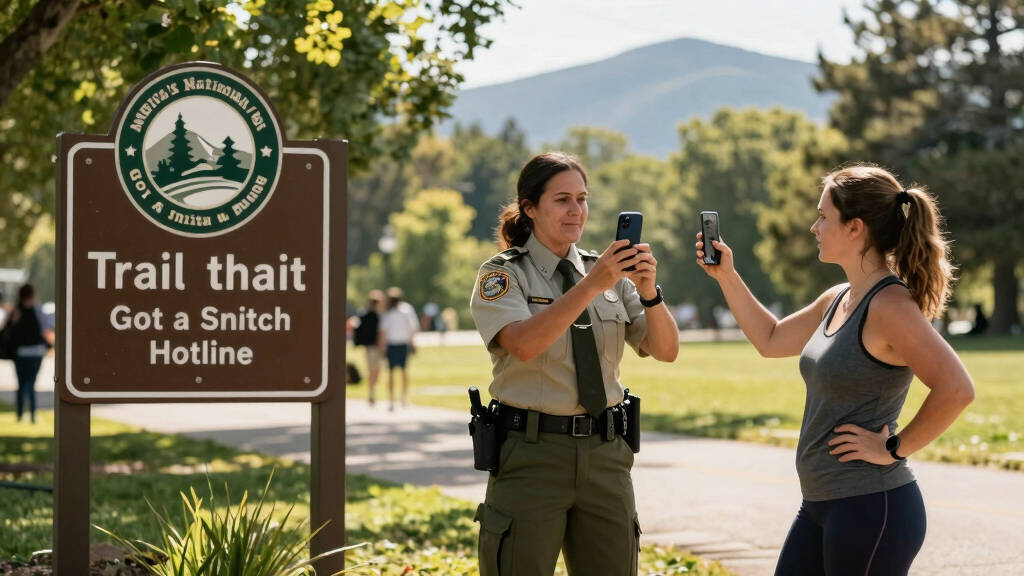
The U.S. National Park Service’s new QR code feedback system, launched to monitor signs deemed disparaging, received 35,000 responses, mostly sarcastic and critical of government actions. The comments reveal widespread public disapproval of recent efforts to alter historical displays.
More than 35,000 comments were submitted by visitors to U.S. national parks in response to a government initiative to flag and remove signs that portrayed American history negatively, many of which contained sarcastic and critical remarks.
In May 2025, the Trump administration issued an executive order directing the National Park Service (NPS) to review and potentially remove signs at hundreds of sites that discussed topics like climate change, slavery, Native American history, and LGBTQ+ rights. To gather public feedback, officials placed QR codes at these sites linking to an online form. The response was overwhelmingly critical, with many comments mocking the effort or expressing anger. The Sierra Club obtained and published these comments through a Freedom of Information Act request, revealing a range of sarcastic, bitter, and sometimes explicit responses. For example, commenters mocked signs warning about dehydration at the Grand Canyon, called out rocket launches near Palo Alto, and sarcastically questioned the historical accuracy of signage at Lincoln’s birthplace.
Why It Matters
The backlash highlights significant public disapproval of government efforts to alter or censor historical narratives in national parks. It underscores tensions over how American history is presented and the extent of government influence on cultural memory. The comments also reflect broader political divisions and resistance to perceived government overreach, making this a notable example of public engagement—albeit sarcastic—in national discourse.
National Park QR code feedback kiosk
As an affiliate, we earn on qualifying purchases.
As an affiliate, we earn on qualifying purchases.
Background
In June 2025, President Trump signed an executive order to review the portrayal of American history at 435 NPS sites, leading to the removal of signs referencing controversial topics. The initiative aimed to address claims that some signs disparaged Americans or misrepresented history. The feedback system, which used QR codes, was intended to gauge public opinion but instead became a platform for widespread mockery and criticism. The Sierra Club’s FOIA request revealed that responses ranged from articulate rebuttals to crude jokes, with some comments explicitly offensive or sarcastic. This response underscores the contentious nature of government-led historical revisionism and the polarized views on national identity and history.
“The volume and tone of responses demonstrate a clear public rejection of the administration’s approach to managing historical narratives in national parks.”
— Sierra Club spokesperson
“The feedback collected will inform future decisions about signage and historical interpretation in our parks.”
— National Park Service official
portable outdoor digital feedback device
As an affiliate, we earn on qualifying purchases.
As an affiliate, we earn on qualifying purchases.
What Remains Unclear
It is still unclear how many of the sarcastic comments will influence official policy decisions or lead to changes in signage. The full impact of this public backlash on the administration’s plans remains uncertain, and the government has not publicly responded to the comments’ tone or content.
National Park Service signage review tools
As an affiliate, we earn on qualifying purchases.
As an affiliate, we earn on qualifying purchases.
What’s Next
The National Park Service is expected to analyze the feedback and determine whether to revise or reinforce its signage policies. Further public consultations or policy adjustments may follow, depending on internal reviews and political developments.
outdoor park signage replacement signs
As an affiliate, we earn on qualifying purchases.
As an affiliate, we earn on qualifying purchases.
Key Questions
Will the government remove or change the signs based on this feedback?
It is not yet clear whether the government will alter signage in response to the comments. The NPS has stated it will review the feedback, but official decisions have not been announced.
Why did the government implement the feedback system with QR codes?
The QR codes were introduced to gather public opinions on signs that the administration claimed disparaged American history, aiming for transparency and public input.
What topics were targeted for removal or review in the signs?
Signs related to climate change, slavery, Native American history, LGBTQ+ rights, and Japanese internment were among those reviewed or removed.
How did the public respond to the feedback system?
The responses were overwhelmingly sarcastic and critical, with many visitors mocking the initiative or expressing anger at government censorship efforts.
What is the broader significance of this backlash?
This public reaction highlights tensions over historical representation in national parks and reflects broader political debates about government influence on cultural memory and national identity.
Source: Outside
Fall Picks
fall essentials
As an affiliate, we earn on qualifying purchases.