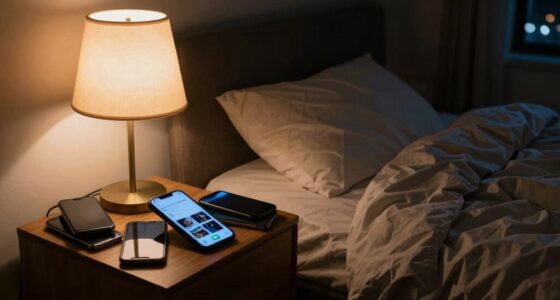
To rebuild sleep after a stressful month, focus on creating a calming environment—keep your bedroom cool, dark, and quiet, and invest in comfortable bedding. Establish a consistent sleep schedule and wind down with relaxation techniques like deep breathing, stretching, or listening to soothing music. Manage stress during the day, spend time outdoors, and avoid caffeine or alcohol near bedtime. With these strategies, restful nights can return; keep exploring further tips to support your sleep recovery.
Key Takeaways
- Establish a consistent sleep schedule to reset your circadian rhythm and signal your body that it’s time to rest.
- Create a calming sleep environment with darkness, coolness, and minimal noise to promote relaxation.
- Practice relaxation techniques like deep breathing, meditation, or gentle stretching before bed to reduce stress.
- Limit caffeine, alcohol, and screen time in the hours leading up to sleep to support restorative rest.
- Manage stress through journaling or mindfulness during the day to promote mental clarity and better sleep quality.
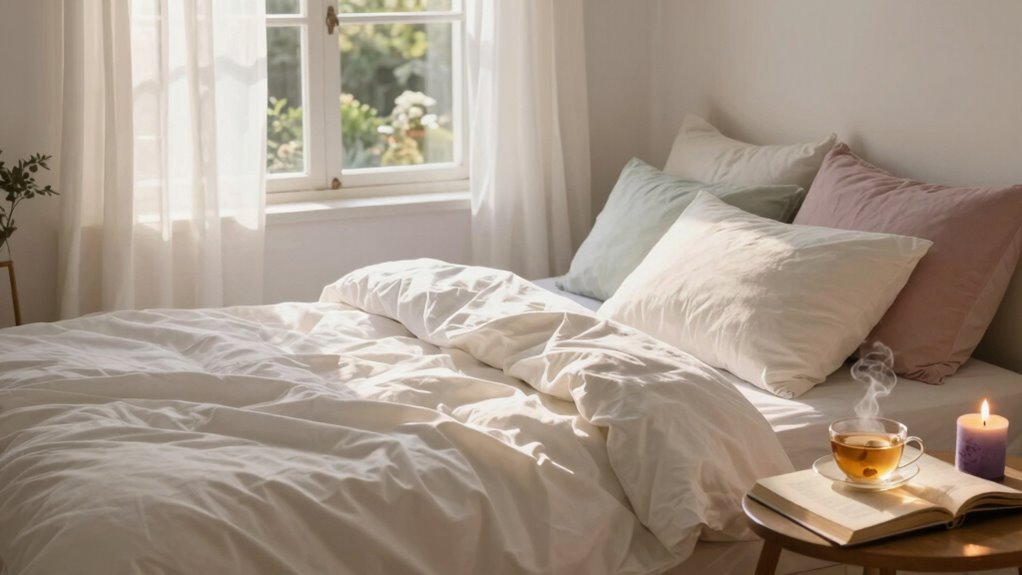
Have you been struggling to get restful sleep despite trying various routines? Stress can seriously disrupt your sleep cycle, leaving you feeling exhausted and unrefreshed. To rebuild your sleep, start by focusing on creating a sleep environment that promotes relaxation. Make your bedroom a sanctuary: keep it cool, dark, and quiet. Use blackout curtains or an eye mask to block out light, and consider earplugs if noise is an issue. A comfortable mattress and pillows also make a big difference, providing the support your body needs to relax fully. When your sleep environment is optimized, it signals to your brain that it’s time to wind down, making it easier to fall asleep and stay asleep through the night. Incorporating relaxation techniques like deep breathing or gentle stretching can further help ease your transition into restful sleep. Additionally, engaging in proper sleep hygiene practices during the day can help reinforce your body’s natural sleep signals and improve overall sleep quality.
Dream enhancement can also play an essential role in improving your sleep quality. When you experience vivid, positive dreams, your mind feels more fulfilled and less anxious, which can help you wake up feeling more rested. To encourage this, try incorporating relaxing activities into your pre-sleep routine, like reading a calming book or listening to soothing music. Avoid screens at least an hour before bed, as the blue light emitted by phones and computers can interfere with melatonin production, making it harder to achieve deep, restorative sleep. Additionally, some people find that practicing mindfulness or gentle meditation before bed helps quiet racing thoughts, fostering a dream-rich sleep cycle. Engaging in sleep-promoting habits during the day, such as spending time outdoors, can also boost your overall sleep quality by supporting your circadian rhythm. Proper sleep hygiene, including managing stress levels, is crucial for long-term sleep health. Ensuring good indoor air quality can also significantly impact your ability to rest well, as fresh, clean air reduces irritants that may disturb sleep.
Consistency is key when rebuilding your sleep after a stressful month. Establish a regular bedtime and wake-up time, even on weekends. This helps regulate your internal clock, making it easier to fall asleep naturally. If stress has caused your mind to race at night, journaling before bed can help unload worries and clear your mind. Incorporate relaxing scents like lavender or chamomile in your sleep environment, as these can enhance dream enhancement and promote a sense of calm. Also, pay attention to your daytime habits: regular exercise, balanced meals, and limiting caffeine or alcohol intake can all support better sleep. Maintaining a consistent sleep schedule reinforces your body’s natural rhythms and improves sleep quality over time.
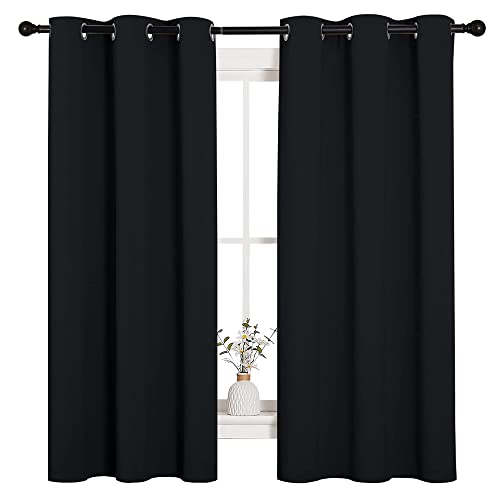
NICETOWN Black Blackout Curtains for Bedroom 42" Wide x 63" Long 2 Panels
- Set Includes: 2 blackout curtains, 42×63 inches each
- Grommet Design: 6 grommets per panel for easy hanging
- Light Blocking: Blocks 85%-99% of light and UV rays
As an affiliate, we earn on qualifying purchases.
As an affiliate, we earn on qualifying purchases.
Frequently Asked Questions
Can Sleep Deprivation Cause Long-Term Health Issues?
Yes, sleep deprivation can cause long-term health issues like weakened immunity, heart problems, and mental health struggles. To prevent this, you should focus on stress management techniques and improve your sleep hygiene. Consistently practicing these habits helps restore your sleep patterns and reduces health risks. Prioritize relaxation before bed and create a comfortable sleep environment to make certain you’re giving your body the rest it needs for long-term well-being.
Are Sleep Aids Effective for Rebuilding Sleep Naturally?
Sleep aids can be helpful, but they’re not a long-term solution for rebuilding sleep naturally. You should focus on improving sleep hygiene by establishing a consistent bedtime, reducing screen time before bed, and creating a relaxing environment. Natural remedies like herbal teas, magnesium supplements, or meditation can also support better sleep. Combining these strategies helps you rebuild sleep naturally and promotes more restful, restorative nights over time.
How Does Exercise Impact Sleep Recovery After Stress?
Exercise benefits your sleep recovery after stress by helping your body relax and reducing anxiety. When you stay active, it releases endorphins that boost your mood and promote stress relief, making it easier to fall asleep and stay asleep. Regular physical activity also helps regulate your sleep-wake cycle, so you wake up feeling more refreshed. Just remember to avoid intense workouts close to bedtime to maximize these benefits.
What Foods Help Improve Sleep Quality Quickly?
Think of sleep-inducing snacks as your secret weapon, much like a lullaby for your body. Reach for magnesium-rich foods like almonds, spinach, or pumpkin seeds to help relax muscles and calm your mind quickly. Incorporate these foods into your evening routine, and you’ll notice improved sleep quality faster. These nutrients promote relaxation, helping you drift off more easily and enjoy restorative rest after a stressful month.
Is It Better to Nap or Stay Awake During Daytime Fatigue?
During daytime fatigue, it’s better to take a power nap rather than stay awake, especially if you’re feeling drained. Keep naps short—around 20 minutes—to avoid grogginess. Be mindful of caffeine consumption; avoid it close to your nap time, as it can interfere with your sleep cycle. Power naps can boost your alertness and mood, helping you recover from stress without disrupting your nighttime sleep.
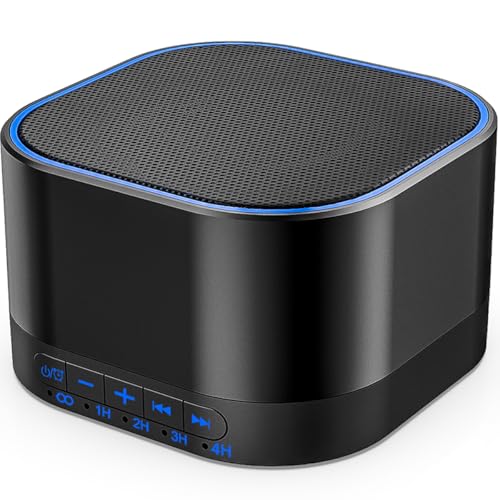
Magicteam Sound White Noise Machine with 20 Non Looping Natural Soothing Sounds and Memory Function 32 Levels of Volume Powered by AC or USB and Sleep Sound Timer Therapy for Baby Kids Adults
- 20 Non-Looping Soothing Sounds: Includes white, brown, pink, blue noise, and nature sounds
- Adjustable Volume & Timer: 32 volume levels and multiple timer options
- Portable & Compact Design: Small size for home, office, or travel use
As an affiliate, we earn on qualifying purchases.
As an affiliate, we earn on qualifying purchases.
Conclusion
Rebuilding your sleep after a stressful month takes time and patience, but don’t throw in the towel. Stick to a consistent bedtime, create a calming pre-sleep routine, and prioritize self-care. Remember, Rome wasn’t built in a day, so be gentle with yourself as you work toward better rest. With persistence, you’ll be back to sleeping soundly in no time. Keep your eyes on the prize and trust the process—you’ll get there.

EGOHOME Full Size Memory Foam Mattress 8 Inch, Green Tea, Medium Firm
- Pressure Relief Memory Foam: Balances support and alleviates pressure
- Universal Support for All Sleep Positions: Fits body curves and reduces noise
- Cooling Green Tea Infusion: Regulates temperature and promotes freshness
As an affiliate, we earn on qualifying purchases.
As an affiliate, we earn on qualifying purchases.

FEWCZZC Red Light for Sleep 670nm Sleep Aid Lamp Blue Light Blocking Dimmable for Stress Relief Relaxation Travel Meditation and Yoga
- Breathing Mode Removed: Simplifies operation for ease of use
- 670nm Red Light: Supports melatonin production for better sleep
- Enhanced Sleep Quality: Faster sleep onset and 20% longer deep sleep
As an affiliate, we earn on qualifying purchases.
As an affiliate, we earn on qualifying purchases.