
During hormonal shifts like menopause, pregnancy, or your menstrual cycle, your body’s temperature regulation becomes more sensitive. Fluctuating hormones affect your hypothalamus, causing misinterpretation of temperature signals and triggering hot flashes, chills, or sweating. Supporting your body with breathable clothing, hydration, and a stable environment helps manage these symptoms effectively. If you want to understand how hormonal changes specifically disrupt your body’s balance and how to better cope, keep exploring these essential insights.
Key Takeaways
- Hormonal fluctuations disrupt the hypothalamus, impairing the body’s ability to maintain stable internal temperature.
- Symptoms like hot flashes and chills indicate the body’s struggle to regulate temperature during hormonal changes.
- Supporting temperature regulation reduces discomfort and prevents extreme temperature swings caused by hormonal shifts.
- Lifestyle adjustments, such as clothing and environment management, become vital for comfort during hormonal fluctuations.
- Increased sensitivity to temperature changes necessitates proactive responses to maintain well-being during hormonal periods.
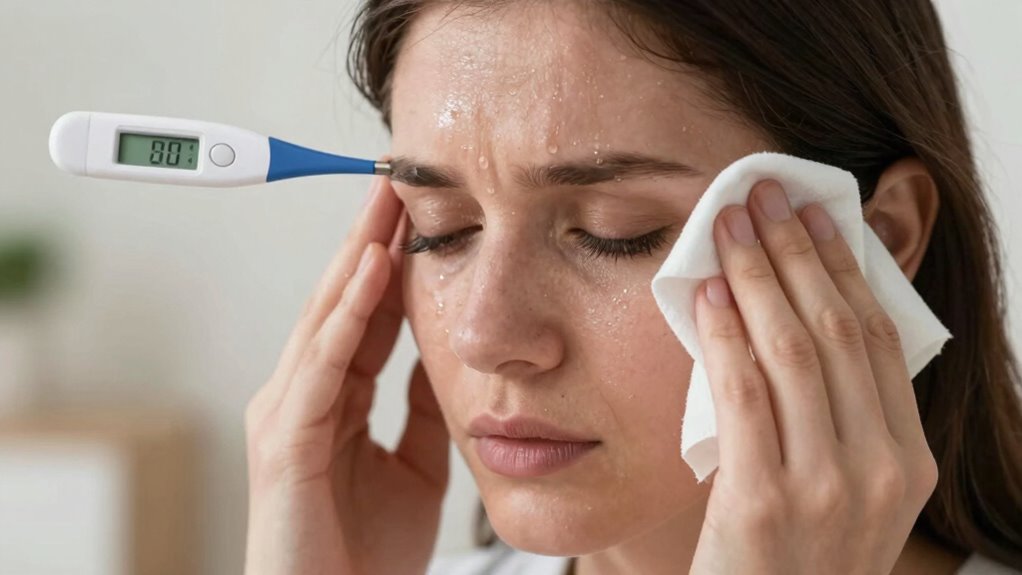
During hormonal shifts, maintaining proper temperature control becomes more essential because your body’s internal balance is more vulnerable to fluctuations. Hormonal fluctuations, such as those experienced during menopause, pregnancy, or menstrual cycles, can notably impact your body’s ability to regulate temperature. When your hormones shift, your body’s natural mechanisms for body temperature regulation may become less stable, leading to sudden hot flashes, chills, or sweating. These symptoms are more than just discomfort; they reflect how your internal systems struggle to maintain equilibrium. Recognizing this vulnerability helps you understand why paying attention to temperature control during these times is vital for comfort and well-being.
Your body’s temperature regulation relies on complex interactions between your nervous system, hormones, and blood flow. During hormonal fluctuations, these interactions can become disrupted. For example, fluctuating estrogen levels influence the hypothalamus, the brain’s temperature control center. When estrogen drops or spikes unexpectedly, your hypothalamus may misinterpret signals, triggering inappropriate responses like vasodilation or vasoconstriction, which cause hot flashes or chills. This miscommunication underscores the importance of supporting your body’s ability to regulate temperature more effectively during hormonal shifts. Additionally, understanding how hormonal fluctuations impact your body’s internal systems can help you better manage these changes. Incorporating lifestyle adjustments that support hormonal health and temperature regulation can make a significant difference. Staying aware of internal balance and how it is affected can help you implement strategies to mitigate symptoms. Recognizing the role of hormonal balance in temperature regulation can guide you in making informed lifestyle choices.
To manage these changes, you should focus on creating a stable environment and adopting habits that support your body’s temperature regulation. Wear breathable, layered clothing to easily adjust to changes in your body’s heat production. Keep your living space comfortably cool or warm, depending on your symptoms, to prevent extreme temperature swings. Staying hydrated is essential because dehydration can impair your body’s ability to sweat and cool down. Also, avoid hot drinks or spicy foods that can trigger hot flashes, and instead opt for calming teas or cool water. Maintaining a consistent routine and managing stress can also help stabilize hormonal levels, indirectly supporting your body’s temperature regulation. Incorporating mindfulness or relaxation techniques can additionally help reduce the intensity of symptoms by calming your nervous system.
Being mindful of your body’s signals is key. During hormonal shifts, you might notice an increased sensitivity to temperature changes, making it necessary to respond quickly. If you experience frequent or severe symptoms, consult a healthcare provider. They can help identify underlying causes and suggest treatments or lifestyle adjustments to improve your body’s ability to manage temperature fluctuations. Overall, understanding the connection between hormonal fluctuations and body temperature regulation empowers you to take proactive steps, reducing discomfort and maintaining better control over your well-being during these vulnerable times.

GYS Women's Bamboo Viscose Loose Fit Pajama Tank Top, Black, M
- Material Composition: 95% bamboo viscose, 5% spandex
- Breathable and Lightweight: Soft, breathable, lightweight fabric
- Versatile Wear: Can be worn alone or as a base layer
As an affiliate, we earn on qualifying purchases.
As an affiliate, we earn on qualifying purchases.
Frequently Asked Questions
Can Temperature Control Prevent Hormonal Imbalance Symptoms?
Yes, proper temperature control can help prevent hormonal imbalance symptoms by supporting your body’s thermoregulation strategies. When you maintain a stable environment, your body is better able to regulate hormonal fluctuations, reducing symptoms like hot flashes, mood swings, and fatigue. By staying cool and comfortable, you aid in maintaining hormonal balance, which helps you feel more stable and energized during hormonal shifts.
What Devices Are Best for Managing Body Temperature?
When it comes to managing body temperature, you want devices that are reliable and responsive. Smart thermostats are excellent for maintaining a comfortable environment, especially during hormonal shifts. Wearable sensors help you monitor your body temperature in real-time, giving you the data to make quick adjustments. Together, these devices keep you in the driver’s seat, ensuring you stay balanced and comfortable no matter what changes your hormones bring.
Does Temperature Regulation Affect Mood During Hormonal Shifts?
Yes, temperature regulation directly impacts your mood during hormonal fluctuations. When your body struggles to maintain stable temperature, it can lead to discomfort and irritability, making emotional regulation more difficult. By managing your body temperature effectively, you support better mood stability and ease hormonal shifts. Staying cool or warm as needed helps your nervous system stay balanced, allowing you to navigate emotional changes more smoothly during these vulnerable times.
Are There Specific Foods That Help Stabilize Temperature and Hormones?
Certain foods can surprisingly help stabilize your temperature and hormones. Think nutrient-rich options like leafy greens, fatty fish, and nuts—these are key in your nutritional strategies. Incorporate dietary adjustments such as whole grains and seeds to support your body’s balance during hormonal shifts. As you experiment with these foods, you might reveal a new level of comfort and stability, turning the unpredictable into manageable, everyday moments.
How Quickly Can Temperature Control Improve Hormonal-Related Discomfort?
Thermal regulation can start improving hormonal-related discomfort within a few days if you consistently manage your temperature. During hormonal fluctuation, your body struggles with thermal regulation, causing discomfort. By maintaining a stable environment, staying hydrated, and using cooling or heating methods as needed, you support your body’s ability to adapt. While results vary, many notice relief in just a few days, making temperature control essential during hormonal shifts.

Govee Indoor Hygrometer Thermometer H5075 with Bluetooth App Control
- Smart Remote Monitoring: Supports Bluetooth remote monitoring and graphs
- High Accuracy Sensors: Temperature ±0.54°F, Humidity ±3%RH
- Fast Refresh Rate: Updates every 2 seconds for latest data
As an affiliate, we earn on qualifying purchases.
As an affiliate, we earn on qualifying purchases.
Conclusion
As you navigate hormonal shifts, remember that temperature control is your steady anchor in a turbulent sea. By managing your environment and body, you keep your inner balance from becoming a rollercoaster ride. Think of it as tuning a delicate instrument—small adjustments can restore harmony amid chaos. Embrace these changes with mindful care, and you’ll weather the storm with resilience, knowing that your temperature regulation is the compass guiding you through this transformative journey.
hydration bottles for menopause symptoms
As an affiliate, we earn on qualifying purchases.
As an affiliate, we earn on qualifying purchases.

Remedy & Restore Herbal Tea for Hormone Balance – Natural Menstrual Cycle Support, Spearmint Flavor, Loose Leaves, 1 Count
- Brand: Remedy & Restore
- Ingredients: Red Raspberry, Spearmint, Nettle, Ginger
- Purpose: Supports menstrual health and hormone balance
As an affiliate, we earn on qualifying purchases.
As an affiliate, we earn on qualifying purchases.