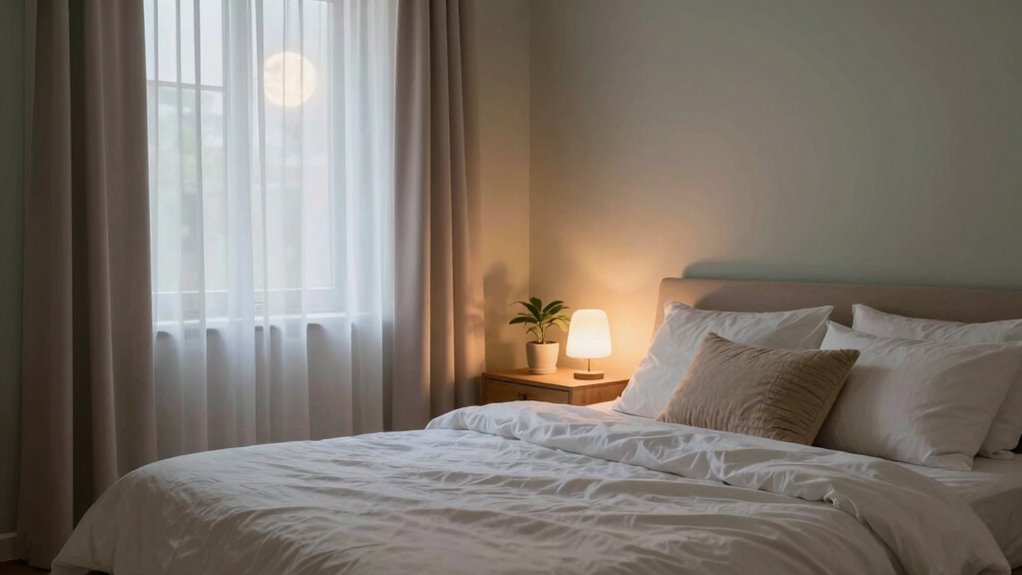

Create a recovery-friendly bedroom by making it a calm, clutter-free space with soothing colors like soft blues or neutrals. Keep the room cool, dark, and quiet using blackout curtains and white noise if needed. Invest in a comfortable mattress and supportive pillows, and avoid screens before bed. Establish a consistent sleep routine with relaxation techniques like deep breathing or gentle stretching. If you want to discover more ways to enhance your sleep environment, keep exploring these tips.

Get health and wellness essentials delivered free with Prime
- Fast, free delivery on millions of items
- Prime Video, Amazon Music and more included
- Member-only deals all year
Key Takeaways
- Keep the room cool, dark, and quiet using blackout curtains and white noise to facilitate deep, restorative sleep.
- Choose calming colors and maintain a clutter-free space to reduce stress and promote relaxation.
- Use comfortable bedding and supportive pillows to enhance physical comfort and recovery.
- Establish a consistent sleep routine and avoid screens before bed to reinforce healthy sleep habits.
- Incorporate relaxation techniques like deep breathing or gentle stretching to signal your body it’s time to rest.
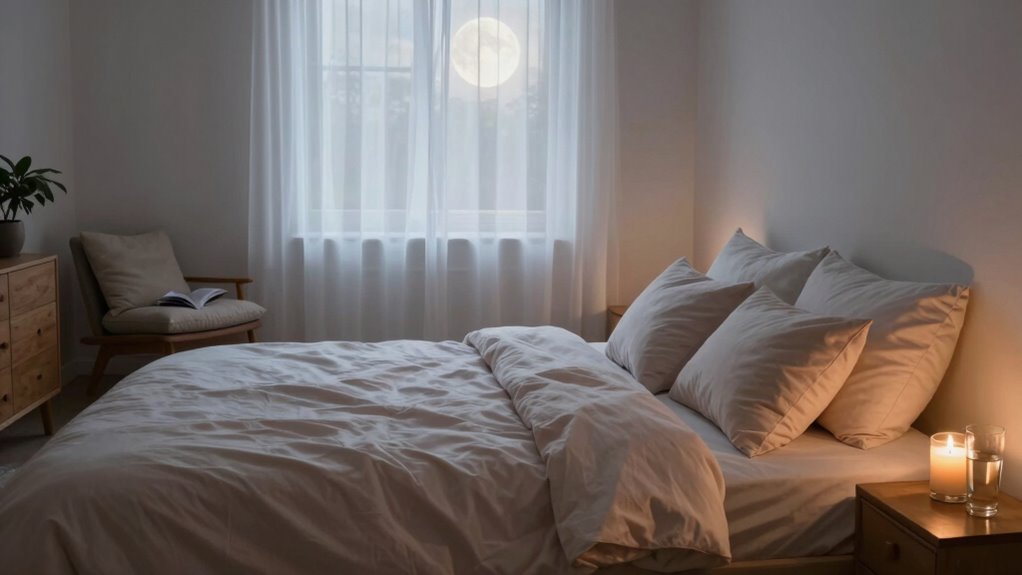
Creating a recovery-friendly bedroom is essential for supporting your healing process and ensuring restful sleep. Your sleep environment plays a vital role in how well you rest each night, influencing your overall recovery. To create a space that promotes healing, focus on making your bedroom a calm, quiet sanctuary. Keep the room cool, dark, and free of distractions, as these conditions help your body shift into deep sleep phases more easily. Use blackout curtains or an eye mask to block out light, and consider a white noise machine or earplugs to minimize sound disruptions. The goal is to create an environment where your body feels safe and relaxed enough to fully unwind.
Create a calm, dark, quiet bedroom to promote restful sleep and support your healing process.
In addition to maximizing your sleep environment, integrating relaxation techniques into your nightly routine can make a significant difference. Techniques like deep breathing, progressive muscle relaxation, or gentle stretching help calm your mind and release physical tension accumulated during the day. Incorporating these practices before bed signals to your body that it’s time to wind down, making it easier to fall asleep and stay asleep throughout the night. Consistency is key; practicing relaxation techniques regularly helps reinforce a bedtime routine that promotes recovery. Creating a sleep-conducive environment is also crucial in supporting your body’s natural recovery processes.
Choosing your bedroom decor thoughtfully also supports your healing process. Opt for soothing colors like soft blues, greens, or neutrals that promote tranquility. Keep clutter to a minimum, as a tidy space reduces stress and prevents your mind from becoming overstimulated. Investing in a comfortable mattress and pillows tailored to your preferences ensures proper support and reduces discomfort that could interrupt your sleep. Avoid screens at least an hour before bed, since blue light can interfere with melatonin production, making it harder to fall asleep naturally. Additionally, maintaining a calm and organized environment can further enhance your relaxation and sleep quality. Ensuring proper sleep hygiene habits, like consistent bedtimes, also significantly contribute to a more restorative sleep experience.
Creating a recovery-friendly bedroom isn’t just about the physical setup but also about establishing habits that foster relaxation. Make your bedroom a place solely for rest and recovery, not work or entertainment. This mental association helps your body recognize that it’s time to sleep when you enter the space. By combining an ideal sleep environment with relaxation techniques, you set the stage for restorative sleep that accelerates your healing process. Every night, your bedroom becomes a sanctuary where your body can repair, recharge, and prepare for the day ahead.
As an affiliate, we earn on qualifying purchases.
Frequently Asked Questions
What Are the Best Colors to Promote Relaxation?
You should choose soft, muted colors like blues, greens, or lavenders, as they promote relaxation through color psychology. These calming hues help reduce stress and create a peaceful atmosphere. Combine them with warm, dim lighting choices to enhance tranquility. Avoid bright or intense colors, which can disrupt your sleep. By selecting the right colors and lighting, you set the perfect mood for restful nights and recovery.
How Can I Reduce Bedroom Noise Effectively?
Did you know that noise disruptions can increase your cortisol levels, affecting sleep quality? To reduce bedroom noise, try soundproofing techniques like adding heavy curtains, sealing gaps around windows and doors, or installing acoustic panels. Additionally, use noise-canceling devices such as white noise machines or earplugs. These methods create a quieter environment, helping you relax and enjoy restorative sleep every night.
What Types of Bedding Improve Sleep Quality?
Choosing the right bedding materials, like soft cotton or breathable linen, can considerably improve your sleep quality. Opt for bedding that supports your sleep posture, such as a firm mattress and supportive pillows, to keep your spine aligned. Lightweight, moisture-wicking sheets help regulate temperature and prevent discomfort. By selecting the right materials and maintaining proper sleep posture, you’ll wake up feeling refreshed and ready for the day.
Is Room Temperature Crucial for Recovery Sleep?
Yes, room temperature is essential for recovery sleep. You want a sleep environment that promotes ideal temperature regulation, keeping your body comfortably cool and preventing overheating or chills. A slightly cooler room, around 60-67°F, helps your body naturally lower its core temperature, supporting restorative sleep. Creating this balanced sleep environment allows your mind to relax, your muscles to recover, and your body to regenerate efficiently through the night.
How Often Should I Replace My Mattress?
You should replace your mattress every 7 to 10 years, depending on its mattress lifespan and how well it’s maintained. Regularly assess its comfort and support, and if you notice sagging, lumps, or increased allergies, it’s time for a replacement. Maintaining proper replacement frequency guarantees you get quality sleep, reduces discomfort, and supports your recovery every night. Don’t wait too long—invest in your sleep health.
As an affiliate, we earn on qualifying purchases.
Conclusion
By making your bedroom a calming sanctuary, you set yourself up for restful nights and quicker recovery. If you think it’s just about decorating, think again—small changes like blackout curtains or a cozy mattress can make all the difference. Don’t let clutter or bright lights sabotage your sleep; instead, embrace a peaceful space that nurtures your body’s healing process. Your best recovery begins the moment you create a room that truly supports your rest.
As an affiliate, we earn on qualifying purchases.
ergonomic pillows for neck support
As an affiliate, we earn on qualifying purchases.
As an affiliate, we earn on qualifying purchases.
Cold & flu season Picks
humidifiers
As an affiliate, we earn on qualifying purchases.