

Keeping a consistent sleep schedule is more effective than rushing to improve sleep suddenly because steady habits strengthen your circadian rhythm and help your body recognize sleep cues. Small, regular changes become automatic and support lasting improvements, while intense efforts can cause stress and throw off your rhythm. If you stick with simple routines and support your environment, you’ll notice better sleep over time. Stay with it, and you’ll discover how gentle consistency makes a real difference.
Key Takeaways
- Regular sleep schedules reinforce circadian rhythms, leading to more natural sleep onset and improved sleep quality.
- Consistent routines create automatic habits that support better sleep hygiene over time.
- Moderate, steady practices reduce stress and prevent disruptions caused by intense or irregular routines.
- Building habits gradually ensures long-term sleep improvements rather than short-term fixes.
- Long-term consistency fosters more restorative sleep and sustainable health benefits than sporadic efforts.
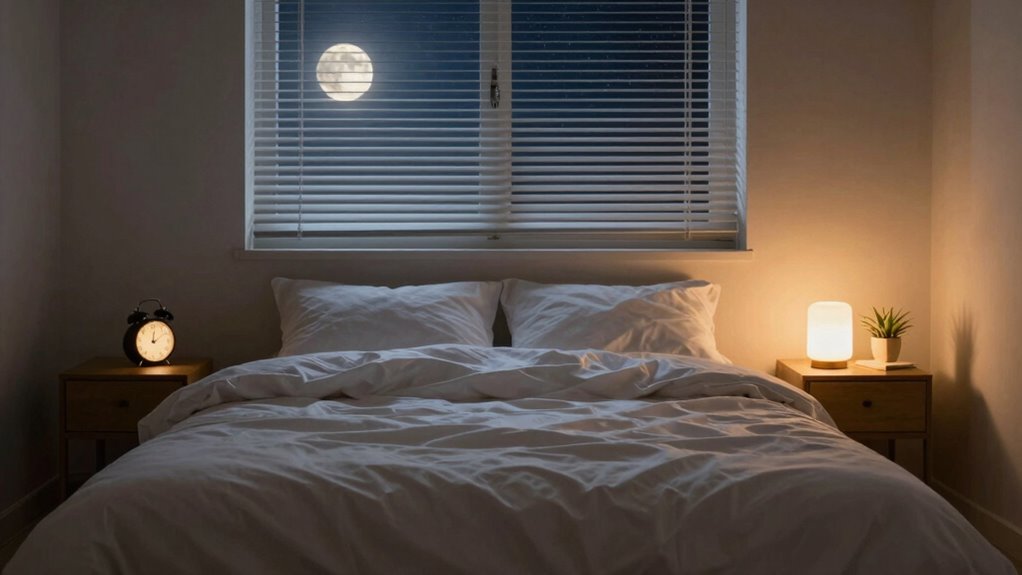
Getting better sleep isn’t about pushing yourself to extreme measures or trying to overhaul your routine overnight; instead, consistency plays a crucial role. When it comes to improving sleep, small, steady habits often outperform sporadic efforts. Focusing on sleep hygiene—your daily routines and environment that promote restful sleep—helps set a foundation for success. This means maintaining a regular schedule, creating a cool, dark, and quiet sleeping space, and avoiding screens before bed. These simple, consistent actions help your body recognize sleep cues and prepare accordingly, making it easier to fall asleep naturally.
Your circadian rhythm, the internal clock that regulates your sleep-wake cycle, thrives on regularity. When you go to bed and wake up at the same times each day, you reinforce this rhythm, signaling your body when to feel alert and when to feel sleepy. Disrupting this pattern, like staying up late on weekends or sleeping in on days off, can throw off your circadian rhythm, causing irregular sleep and grogginess. So, sticking to a consistent sleep schedule helps your internal clock stay synchronized, which means better sleep quality over time. Incorporating sleep environment factors such as lighting, noise, and temperature can further support your ability to relax and fall asleep more easily.
Many people believe that pushing for intense workouts or strict routines will boost sleep, but it’s actually the consistent, moderate practices that matter most. For example, establishing a relaxing bedtime routine—reading, gentle stretches, or meditation—each night signals your body that it’s time to wind down. Over time, these habits become automatic, strengthening your sleep hygiene and making falling asleep feel effortless. Conversely, intense efforts like trying to stay awake late or drastically changing your routine can backfire, creating stress and disrupting your circadian rhythm. Additionally, understanding the importance of circadian rhythm helps you appreciate the value of consistent timing in your sleep schedule. Maintaining biodiversity principles in your environment—like adding plants or natural elements—can also positively influence your sleep environment and overall well-being.
It’s also important to be patient. Your body responds gradually, and small, consistent changes tend to produce lasting results. Even if you miss a night or two, don’t abandon your routine; simply get back on track the next day. Building a healthy sleep environment by incorporating natural elements, like plants, can help reinforce your habits and promote relaxation. Your sleep patterns will adapt, and you’ll notice improvements in both how quickly you fall asleep and the quality of your rest. The key is persistence, not perfection. Over time, these consistent habits will reinforce your circadian rhythm and improve your sleep hygiene, leading to more restorative sleep night after night. In the end, it’s the steady, reliable approach that yields the best long-term results.

Magicteam Sound White Noise Machine with 20 Non Looping Natural Soothing Sounds and Memory Function 32 Levels of Volume Powered by AC or USB and Sleep Sound Timer Therapy for Baby Kids Adults
- 20 Non-Looping Soothing Sounds: Includes white, brown, pink, blue noise, and nature sounds
- Adjustable Volume & Timer: 32 volume levels and multiple timer options
- Portable & Compact Design: Small size for home, office, or travel use
As an affiliate, we earn on qualifying purchases.
As an affiliate, we earn on qualifying purchases.
Frequently Asked Questions
Can Inconsistent Sleep Schedules Cause Long-Term Health Issues?
Yes, inconsistent sleep schedules can lead to long-term health issues. When you vary your sleep times, you risk sleep deprivation and circadian disruption, which strain your body’s internal clock. Over time, this can increase your chances of developing health problems like heart disease, diabetes, and mental health issues. Staying consistent with your sleep schedule helps regulate your circadian rhythm, promoting better overall health and quality sleep.
How Long Does It Take to See Sleep Improvements With Consistency?
You’ll typically notice sleep improvements within one to two weeks of consistent routine adjustment. By sticking to a regular sleep pattern, your body adapts, and sleep quality improves gradually. It may take up to a month for significant changes, but patience pays off. Staying consistent helps your circadian rhythm stabilize, leading to deeper, more restorative sleep. Keep at it, and you’ll see the benefits soon enough.
Is It Okay to Occasionally Skip My Sleep Routine?
Occasionally skipping your sleep routine is okay, but it can disrupt your sleep hygiene and rest habits. If you miss a night, don’t stress—just get back on track the next evening. Consistency is key for long-term improvements, so try to maintain your routine as much as possible. Small lapses won’t ruin your progress, but frequent deviations may hinder the benefits you’re working toward in better sleep quality.
Does Age Affect How Consistency Impacts Sleep Quality?
As you journey through life’s seasons, age weaves new patterns into your sleep fabric. Age-related sleep changes mean consistency becomes your steady lighthouse, guiding you through developmental sleep patterns with unwavering precision. No matter your age, sticking to a routine helps your body’s internal clock stay harmonious, ensuring restful nights. Embrace this rhythm, and you’ll find that consistency remains your strongest ally, lighting the path to better sleep at every stage.
Are There Specific Habits That Support Consistent Sleep Patterns?
Yes, you can support consistent sleep patterns by establishing good sleep hygiene and bedtime rituals. Stick to a regular sleep schedule, going to bed and waking up at the same time every day. Create calming bedtime rituals like reading or taking a warm bath, and avoid screens before sleep. These habits signal to your body that it’s time to wind down, helping you fall asleep faster and wake up refreshed.

SimpleHome Cream 100% Blackout Curtains Room Darkening Living Room 84 Inch
- Set Includes: Two blackout curtain panels
- Panel Dimensions: 52 inches wide by 84 inches long
- Design Features: Silver grommets for easy sliding
As an affiliate, we earn on qualifying purchases.
As an affiliate, we earn on qualifying purchases.
Conclusion
Remember, when it comes to sleep, consistency is your steady lighthouse guiding you through restless nights. Sure, intense efforts might seem tempting, but like a gentle stream carving its way, steady routines shape your sleep quality over time. Don’t let the allure of quick fixes distract you from building habits that last. After all, isn’t it better to sail smoothly with a reliable course than to chase fleeting sparks of intensity? Embrace consistency, and let your sleep flourish.

Chilipad Cube Bed Cooling System – Cooling & Heating Mattress Topper, Set Individual Bed Temperature, Cool Sleep Enhancement, Temp Range of 60-115°F, ME Half Queen Bedsize (30"W x 80"L), Model: CP500
- Night Sweats Reduction: Keeps mattress cooler for better sleep
- Water-Based Temperature Control: Circulates water to regulate surface temperature
- Flexible Bedroom Setup: Fits various bed sizes and configurations
As an affiliate, we earn on qualifying purchases.
As an affiliate, we earn on qualifying purchases.

Dr Teals Melatonin Sleep Bath Gift Set (Foaming Bath (34 oz), Body Lotion (8 oz), & Sleep Spray (6oz) – Stress Relief Lavender & Melatonin Promotes Better Sleep – At Home Spa Kit – Relax Before Bed
- Includes Foaming Bath, Lotion, and Spray: Complete sleep and relaxation set
- Lavender for Stress Relief: Aids in relaxation and stress reduction
- Melatonin Promotes Better Sleep: Supports restful sleep quality
As an affiliate, we earn on qualifying purchases.
As an affiliate, we earn on qualifying purchases.