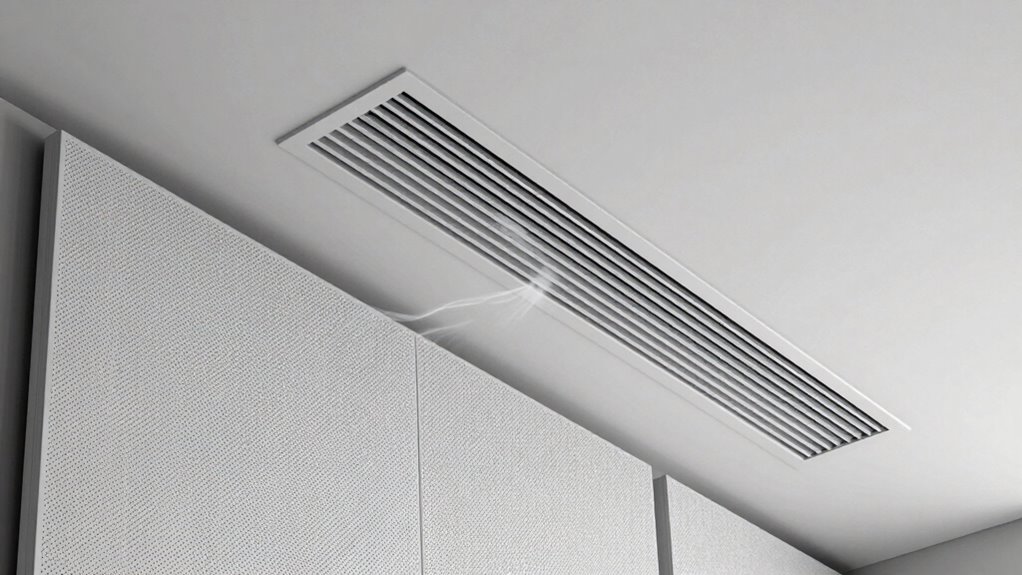

You need to take into account sound control and airflow together because they directly affect your environment’s comfort and health. Proper soundproofing prevents noise from spreading, but it can also block ventilation if not carefully planned. Good airflow ensures fresh air without creating noise issues. When you balance these, you create quiet, healthy spaces. If you keep exploring, you’ll discover how to effectively integrate materials and systems for ideal results.

Get health and wellness essentials delivered free — and shop member deals
- Fast, free delivery on millions of items
- Access to Prime Big Deal Days deals on October 6–7
- Prime Video, Amazon Music and more included
Key Takeaways
- Both influence environmental comfort, balancing noise reduction with fresh air circulation.
- Proper integration prevents noise infiltration while maintaining effective ventilation.
- Materials and system design can simultaneously optimize soundproofing and airflow efficiency.
- Modern systems like demand-controlled ventilation adapt to needs, reducing noise and energy use.
- Considering their interconnection leads to healthier, more functional, and acoustically balanced spaces.
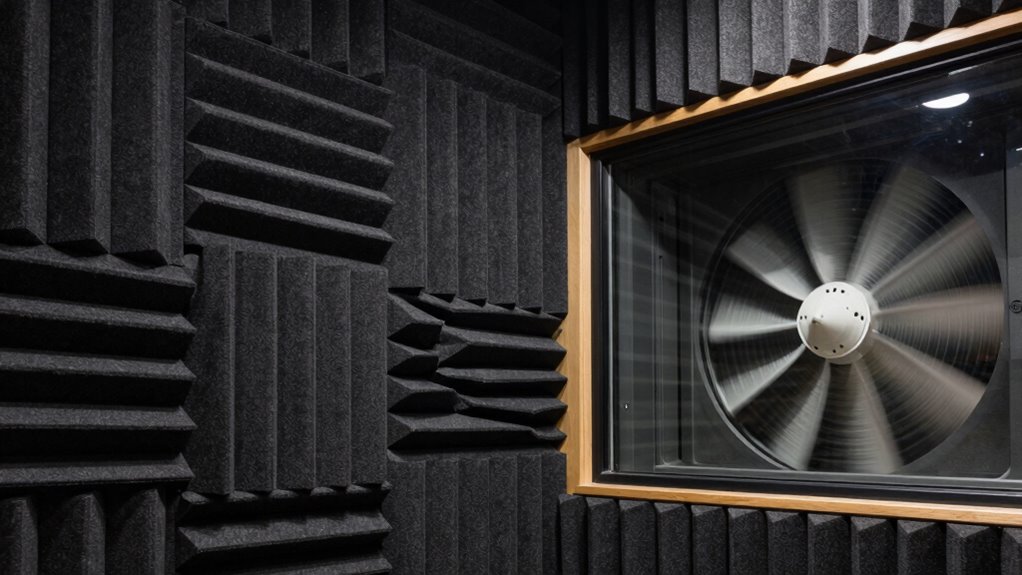
Have you ever wondered how to balance sound control and airflow effectively in your space? It’s a common challenge, especially when you want to create a comfortable environment that’s both quiet and well-ventilated. The key lies in understanding how acoustic insulation and ventilation efficiency work together. Acoustic insulation helps block or absorb unwanted noise, preventing sound from traveling between rooms or outside. Meanwhile, ventilation efficiency ensures fresh air flows through your space without compromising soundproofing. When these two elements are properly integrated, you get a space that’s peaceful and healthy.
Achieving this balance requires thoughtful planning. You need materials and systems that serve dual purposes. For example, specialized acoustic insulation can be installed within walls and ceilings to dampen sound while still allowing air to pass through. These materials are designed with tiny pores or channels that trap sound waves but let air molecules flow freely, maintaining ventilation efficiency. It’s a smart way to keep noise levels down without sacrificing airflow, which is essential for air quality and comfort. Incorporating airflow management strategies can further enhance the effectiveness of these solutions.
Specialized acoustic insulation with tiny pores balances soundproofing and airflow for a healthier, more comfortable space.
You also want to take into account the placement of vents and openings. Strategic positioning helps prevent noise from entering or escaping sensitive areas while maintaining good airflow. For instance, using soundproof vent covers or acoustic baffles around ventilation openings can block noise while still allowing air exchange. This setup is especially important in environments like offices, recording studios, or healthcare facilities, where noise control is vital but good ventilation cannot be overlooked. Additionally, airflow control techniques can optimize the circulation of air to avoid creating pressure imbalances that might impact acoustics.
Furthermore, modern systems can be designed to optimize both sound control and airflow simultaneously. Demand-controlled ventilation, for example, adjusts airflow based on occupancy or air quality sensors, reducing unnecessary noise and energy use. This approach ensures you’re not sacrificing acoustics for ventilation efficiency or vice versa. It also reduces the need for bulky soundproofing structures, making your space more streamlined and functional.
In essence, the reason sound control and airflow often belong in the same conversation is that they are interconnected aspects of a well-designed environment. You can’t focus on one without taking into account the other. Proper acoustic insulation enhances comfort by reducing noise, but if it blocks airflow, it can lead to stale air and poor ventilation. Conversely, efficient ventilation systems that ignore acoustics can create disruptive noise pollution. Striking the right balance means selecting the right materials, systems, and placements so that both soundproofing and airflow work harmoniously. When you achieve this, you create a space that’s not only quiet but also fresh, healthy, and inviting. Additionally, understanding the interrelation between soundproofing and ventilation helps in designing smarter environments that meet both comfort and health standards. Recognizing the importance of integrated design is crucial for achieving optimal acoustic and airflow performance in any space.
As an affiliate, we earn on qualifying purchases.
Frequently Asked Questions
How Do Sound Control and Airflow Impact Energy Efficiency?
Sound control and airflow directly impact energy efficiency by enhancing ventilation efficiency and reducing energy waste. Acoustic insulation helps maintain consistent indoor temperatures, lowering your heating and cooling costs. Proper airflow management guarantees fresh air circulation without excessive energy use. When you combine effective acoustic insulation with optimized ventilation, you create a more comfortable, energy-efficient environment that minimizes costly energy consumption while keeping noise levels in check.
Can Soundproofing Materials Affect Airflow?
Yes, soundproofing materials can affect airflow. Acoustic insulation, often used for soundproofing, can restrict airflow if not properly designed. Ventilation design plays a vital role here; it guarantees airflow remains efficient while maintaining soundproofing. You should consider materials that balance sound control with proper ventilation, like specialized acoustic vents or barriers that allow air passage without compromising acoustic performance. This way, you keep both noise levels down and airflow ideal.
What Are Common Challenges in Balancing Sound and Airflow?
You face challenges balancing sound and airflow when installing sound masking systems and noise barriers. Sound masking improves acoustics without blocking airflow, but it can be less effective if barriers hinder ventilation. Noise barriers effectively reduce sound but might restrict airflow if not designed properly. To find a balance, you need to choose materials that absorb sound without impeding airflow, ensuring both noise reduction and proper ventilation work together seamlessly.
How Does Airflow Influence Acoustic Performance?
Airflow considerably influences acoustic performance because increased airflow can amplify noise, making dampening techniques necessary. You can use acoustic barriers to block sound waves, and dampening techniques to reduce sound energy, ensuring quieter environments. When airflow is managed carefully, it prevents noise from spreading and helps maintain sound quality. Balancing airflow and sound control requires thoughtful design, ensuring that airflow doesn’t compromise acoustic comfort or effectiveness.
Are There Industry Standards Linking Sound Control and Ventilation?
Yes, industry standards link sound control and ventilation through guidelines on acoustic insulation and ventilation design. These standards, like those from ASTM or ASHRAE, specify how to balance airflow with noise reduction, ensuring effective ventilation without compromising acoustic performance. You should consider these standards when designing spaces to optimize both sound insulation and airflow, creating environments that are comfortable, quiet, and properly ventilated.
acoustic insulation with airflow channels
As an affiliate, we earn on qualifying purchases.
As an affiliate, we earn on qualifying purchases.
Conclusion
Think of sound control and airflow as two dancers in a delicate ballet, each movement influencing the other’s harmony. When you balance them, you create a space where noise fades softly into the background, like whispering leaves in a gentle breeze. By understanding their dance, you craft environments that breathe with purpose and whisper serenity. Embrace this symphony, and you’ll find comfort in the seamless flow of quiet air and peaceful sound, a true harmony of essentials.
demand-controlled ventilation system
As an affiliate, we earn on qualifying purchases.
As an affiliate, we earn on qualifying purchases.
soundproofing materials for walls and ceilings
As an affiliate, we earn on qualifying purchases.
As an affiliate, we earn on qualifying purchases.
Fall Picks
fall essentials
As an affiliate, we earn on qualifying purchases.