
Night sweats can seriously impact your sleep over time by causing frequent awakenings and preventing you from reaching deep, restorative stages. This disruption fragments your sleep cycles, leading to feelings of fatigue and unrefreshing mornings. The constant temperature fluctuations and discomfort also make it harder to stay relaxed, which affects your overall sleep quality. If you want to understand how to regain better sleep, there’s more to uncover about what causes these issues and how to address them.

Get health and wellness essentials delivered free with Prime
- Fast, free delivery on millions of items
- Prime Video, Amazon Music and more included
- Member-only deals all year
Key Takeaways
- Night sweats cause frequent awakenings, preventing deep, restorative sleep and reducing overall sleep quality.
- Repeated disruptions fragment sleep cycles, impairing the body’s natural recovery processes over time.
- Excessive sweating hampers temperature regulation, leading to more wakefulness and less engagement in REM and deep sleep stages.
- Chronic sleep disturbances from night sweats contribute to fatigue, irritability, and impaired cognitive function.
- Long-term sleep disruption can weaken immune function and increase the risk of mood disorders.
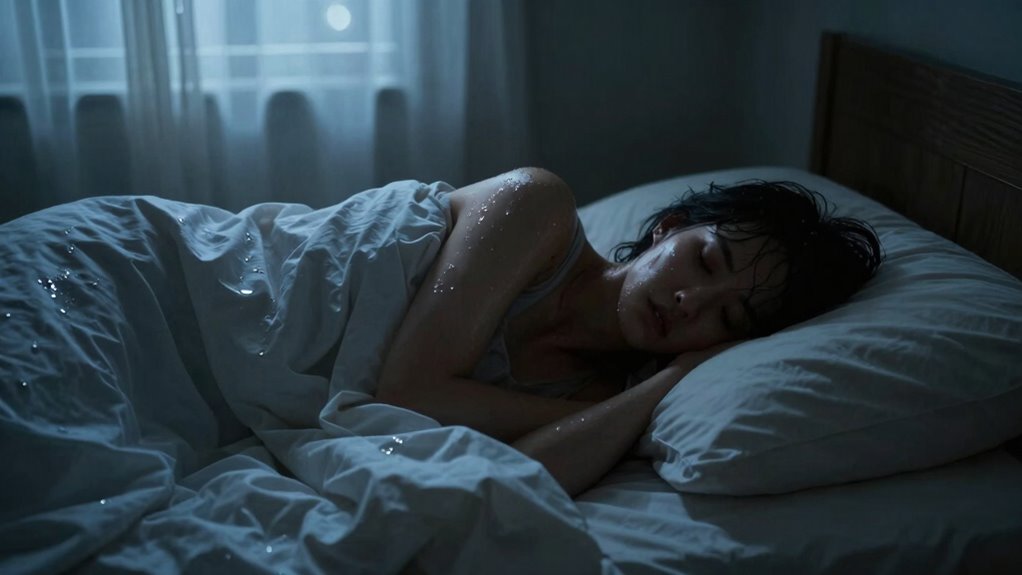
Night sweats can considerably disrupt your sleep over time, leaving you feeling tired and unrefreshed. When you wake up drenched in sweat, it interrupts your sleep cycle and makes it harder to fall back asleep. This repeated disturbance prevents you from reaching the deep, restorative stages of sleep your body needs. Over time, these disruptions accumulate, leading to a significant decline in your overall sleep quality. You might notice you’re waking up more frequently during the night, feeling restless and unable to settle back down quickly.
Night sweats disrupt sleep, causing fatigue, restlessness, and declining sleep quality over time.
One of the main reasons night sweats happen is hormonal fluctuations. These changes can occur due to aging, stress, or underlying health conditions, and they directly influence your body’s temperature regulation. When hormones like estrogen or testosterone fluctuate unexpectedly, your body’s thermostat can go into overdrive, causing hot flashes and sweating. These hormonal shifts can be unpredictable and persistent, making it difficult to maintain a steady, comfortable sleep state. As your body struggles to adjust to these fluctuations, sleep disruption becomes more pronounced, and your overall sleep cycle becomes fragmented.
Your body’s inability to maintain a stable temperature during sleep also impacts your circadian rhythm. When you’re sweating excessively, your body is constantly fighting to cool down, which can lead to frequent awakenings. This not only cuts into your REM and deep sleep stages but also prevents you from experiencing the full restorative benefits of sleep. The more often you’re awakened, the less restorative your sleep becomes, which leaves you feeling groggy, irritable, and less focused during the day. Proper temperature regulation is essential for maintaining healthy sleep patterns and overall well-being. Understanding the importance of hormonal balance can help in managing night sweats more effectively. Additionally, disruptions in sleep cycles can further impair your body’s natural recovery processes, making it even harder to achieve restful sleep.
Additionally, the physical discomfort caused by night sweats can foster anxiety around sleep itself, creating a cycle of stress and sleep disturbance. You might start to associate bedtime with discomfort, making it even harder to relax and fall asleep initially. The ongoing sleep disruption can weaken your immune system, impair cognitive function, and increase your risk for mood disorders. Over time, these effects compound, and you may find it increasingly difficult to get quality sleep, even when the sweating episodes subside. Recognizing and addressing the underlying health issues that contribute to night sweats is crucial for long-term relief.
Furthermore, hormonal fluctuations are often linked to underlying health issues that may require medical attention to effectively address the root cause of night sweats. In essence, night sweats don’t just cause temporary discomfort—they can shape your entire sleep pattern over the long term. Hormonal fluctuations play a central role in triggering these episodes, and the resulting sleep disruption hampers your physical and mental health. Recognizing these patterns and understanding the connection between hormones and sleep can help you seek targeted solutions, but addressing the root causes remains key to regaining restful, uninterrupted sleep.
Products Worth Considering
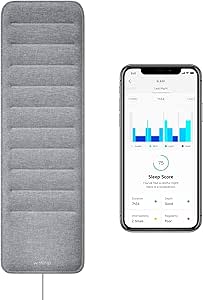
Withings Sleep Under-Mattress Sleep Tracking Pad

Philips Sonicare DiamondClean 9000 Electric Toothbrush Bundle, HX9912/72

Withings Body Scan Smart Scale with Segmental Body Composition and ECG, Black
As an affiliate, we earn on qualifying purchases.
Frequently Asked Questions
Can Night Sweats Be a Sign of a Serious Medical Condition?
Night sweats can indeed be a sign of a serious medical condition, especially if they’re persistent or severe. Hormonal fluctuations, such as those during menopause or thyroid issues, often trigger them. Stress-related causes also play a role, increasing your body’s temperature and causing sweating. If you experience frequent night sweats, it’s crucial to consult a healthcare professional to rule out underlying health problems and get appropriate treatment.
How Can I Differentiate Night Sweats From Normal Sweating?
Night sweats are like a storm in your sleep, standing out with intense sweat and sleep disturbance, unlike normal sweating that’s gentle drizzle. You can differentiate them by sweat intensity—night sweats drench pajamas and sheets—versus ordinary sweating, which’s usually mild. If your sweating disrupts your sleep or wakes you frequently, that’s a sign it’s more than just regular perspiration, possibly indicating an underlying issue.
Do Certain Medications Increase the Likelihood of Night Sweats?
Yes, certain medications can increase the likelihood of night sweats due to medication side effects. Drugs like antidepressants, hormone therapy, and blood pressure medications often cause hormonal fluctuations, which can trigger sweating during sleep. If you notice night sweats after starting a new medication, consult your doctor to discuss possible adjustments. Monitoring your symptoms helps determine if medication changes could reduce your night sweats and improve your sleep quality.
Are There Specific Dietary Habits That Worsen Night Sweats?
About 60% of people notice their night sweats worsen with certain diet triggers. You might find spicy foods, caffeine, and alcohol are common culprits. Poor hydration habits can also make night sweats more intense, as dehydration can disrupt your body’s temperature regulation. To improve sleep quality, consider avoiding these diet triggers and maintaining good hydration habits, especially before bed. This can help reduce night sweats and promote better rest.
What Are Quick Remedies to Reduce Night Sweats Temporarily?
To quickly reduce night sweats, you should improve your sleep environment by lowering room temperature and using breathable bedding. Opt for loose, moisture-wicking clothing, like cotton pajamas, to keep your body cool. Stay hydrated before bed, and avoid spicy foods or alcohol. These simple steps help regulate your body temperature, making it easier to sleep peacefully despite night sweats.
Conclusion
Night sweats can quietly chip away at your sleep quality, turning restful nights into restless battles. Over time, they may leave you feeling like a candle burning at both ends—diminished and flickering. But awareness is your torch; understanding and addressing the underlying causes can help restore your sleep’s serenity. Don’t let night sweats drown your nights in darkness—take action and reclaim the peace your body deserves.