

Trying to catch up on sleep during weekends won’t fully undo the effects of lost sleep during the week, and it can even make things worse. Your body needs consistent, quality sleep each night to recover and stay healthy. When you skip sleep on weekdays, saving it up for the weekend doesn’t improve your alertness or mood. If you want to understand how to better manage your sleep, you’ll find helpful insights ahead.
Key Takeaways
- Sleep debt accumulates over time and cannot be fully reversed by weekend catch-up sleep.
- Irregular sleep patterns lead to social jetlag, impairing sleep quality and overall health.
- Consistent sleep schedules support the circadian rhythm and promote restorative sleep stages.
- Relying on extra sleep on weekends doesn’t eliminate the negative effects of chronic sleep deprivation.
- Prioritizing regular, quality sleep daily is more effective than attempting to “catch up” later.

Many people believe that they can simply make up for lost sleep on the weekends, but in reality, catching up on sleep isn’t as straightforward as it sounds. When you don’t get enough sleep during the week, you accumulate a sleep debt—a kind of deficit your body needs to repay. However, trying to erase this debt with extra sleep on the weekends doesn’t work as neatly as you might hope. Your body’s internal clock, known as your circadian rhythm, plays a vital role here. It regulates your sleep-wake cycle, ensuring you stay alert during the day and sleep soundly at night. When you disrupt this rhythm by sleeping late or staying up irregularly, it throws off your entire system.
Catching up on sleep on weekends doesn’t fix your circadian rhythm or sleep debt. Consistent sleep is key.
Your circadian rhythm is sensitive to changes in your sleep schedule. If you stay up late on weekends to catch up on sleep, your body may try to adjust, but it often leads to a mismatch between your internal clock and your actual sleep times. This mismatch can cause what’s called social jetlag—a feeling of being out of sync that leaves you groggy and less alert during the week. Instead of feeling refreshed, you might wake up feeling even more tired, because your body hasn’t had a consistent rhythm to follow. This inconsistency can lead to disrupted sleep patterns, making it even more difficult for your body to recover fully.
Sleep debt isn’t just about feeling tired; it affects your cognitive functions, mood, and overall health. The longer you ignore it, the harder it becomes to recover. Sleeping in on weekends might temporarily reduce your subjective tiredness, but it doesn’t fully reset your circadian rhythm or eliminate the underlying debt. Your body needs regular, consistent sleep to function at its best. When you disrupt your schedule, your sleep quality can suffer, making it harder to get restorative REM and deep sleep stages that are essential for memory, immune function, and emotional health. Additionally, maintaining a consistent sleep schedule supports the internal biological clock, ensuring your sleep patterns are aligned with natural light and dark cycles. This alignment is crucial for preventing disrupted circadian rhythms, which can impair sleep quality and overall health.
The best way to manage sleep debt isn’t through sporadic weekend catch-up sessions but by maintaining a steady sleep schedule that aligns with your circadian rhythm. Going to bed and waking up at the same time every day helps your body stay in sync. Over time, this consistency allows you to reduce your sleep debt more effectively. So, rather than relying on weekend sleep-ins, focus on creating habits that promote regular, quality sleep. Your body’s internal clock will thank you, and you’ll feel the benefits in your daily energy, mood, and overall well-being.

Google Fitbit Inspire 3 – Midnight Zen/Black – Small and Large Bands
- Energy and Wellness Tracker: Helps you find your energy and feel your best
- Device Compatibility: Compatible with iOS 16.4+ and Android 11.0+
- Activity Monitoring: Includes Daily Readiness Score and 24/7 heart rate
As an affiliate, we earn on qualifying purchases.
As an affiliate, we earn on qualifying purchases.
Frequently Asked Questions
Can You Fully Recover Lost Sleep With a Weekend of Extra Rest?
You can’t fully recover lost sleep with just a weekend of extra rest. Sleep quality and your circadian rhythms play vital roles in overall recovery. When you sleep in, your body struggles to reset your internal clock, leaving you still feeling tired. Consistently maintaining a regular sleep schedule is essential for restoring energy and ensuring your circadian rhythms stay aligned. Short-term catch-up sleep offers limited benefits; long-term habits matter more.
Does Oversleeping on Weekends Harm Your Sleep Schedule?
Oversleeping on weekends is like disrupting a well-tuned symphony; it throws off your sleep cycle. Your weekend routines may seem harmless, but they can cause your body’s internal clock to become confused, making it harder to wake up naturally during the week. While extra rest feels good, consistently oversleeping can hinder your sleep rhythm, leading to difficulty falling asleep and waking up refreshed. Balance your weekend routines for better sleep health.
Is It Possible to “Pay Back” Sleep Debt Quickly?
You can’t fully “pay back” sleep debt quickly because your body needs consistent rest to improve sleep quality. Rest rebound happens gradually as your body naturally compensates, but rushing it won’t restore your energy or health instantly. Instead, focus on maintaining a regular sleep schedule, prioritize quality sleep, and give your body time to recover. Over time, this approach helps restore your sleep balance more effectively than trying to catch up overnight.
How Does Sleep Debt Affect Long-Term Health?
Sleep debt can seriously affect your long-term health by causing circadian disruption, which throws off your body’s internal clock. This disruption increases your risk of metabolic consequences like weight gain, insulin resistance, and type 2 diabetes. Over time, these issues can lead to chronic health problems. Prioritizing consistent sleep helps regulate your circadian rhythm and reduces the risk of these metabolic consequences, supporting better overall health.
Can Sleep Deprivation Cause Permanent Cognitive Damage?
Sleep deprivation impacts your brain, and yes, it can cause permanent cognitive damage if it persists over time. When you don’t get enough sleep, your cognitive functions, like memory, attention, and decision-making, suffer markedly. Chronic sleep deprivation damages brain cells and impacts neural connections, potentially leading to long-term issues. It’s essential to prioritize sleep to protect your brain’s health and prevent lasting cognitive damage.

Magicteam Sound White Noise Machine with 20 Non Looping Natural Soothing Sounds and Memory Function 32 Levels of Volume Powered by AC or USB and Sleep Sound Timer Therapy for Baby Kids Adults
- 20 Non-Looping Soothing Sounds: Includes white, brown, pink, blue noise, and nature sounds
- Adjustable Volume & Timer: 32 volume levels and multiple timer options
- Portable & Compact Design: Small size for home, office, or travel use
As an affiliate, we earn on qualifying purchases.
As an affiliate, we earn on qualifying purchases.
Conclusion
Trying to catch up on sleep is like trying to fill a leaky bucket—you’ll never truly get ahead. Instead of chasing lost hours, aim for consistent, quality sleep every night. Your body and mind crave steadiness, not quick fixes. Think of sleep as the steady drumbeat that keeps your life in rhythm. Prioritize it, and you’ll find your energy and clarity soar, turning the elusive dream of perfect rest into a daily reality.

MZOO Luxury Sleep Mask for Women Men Patented Light Blocking Design
- Zero Eye Pressure: Deep 13mm arc-shaped eye cups
- Ideal for Side Sleepers: 15° curved thin sides for comfort
- Complete Light Blocking: Contoured cups and 22mm nose padding
As an affiliate, we earn on qualifying purchases.
As an affiliate, we earn on qualifying purchases.
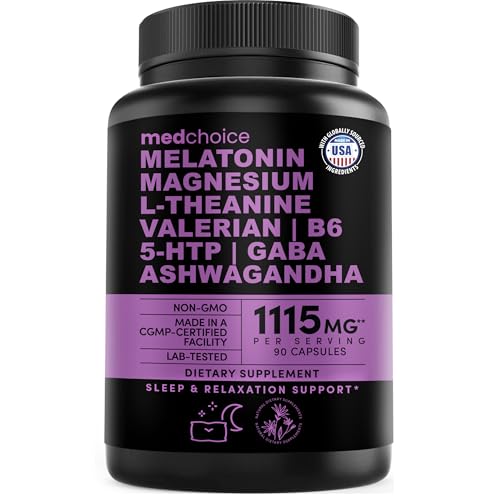
MEDCHOICE 12-in-1 Melatonin 5mg Sleep Capsules with Magnesium, 90ct
- Improved Non-Habit Forming Formula: Supports restful sleep naturally
- Powerful Ingredient Blend: Includes melatonin, magnesium, ashwagandha, and more
- Calm and Relaxation Support: L-Theanine and magnesium promote relaxation
As an affiliate, we earn on qualifying purchases.
As an affiliate, we earn on qualifying purchases.