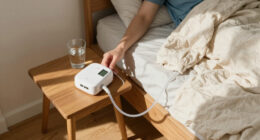
Sleep paralysis occurs during REM sleep and involves temporary paralysis with vivid, often frightening hallucinations while you’re unable to move. Night terrors happen during deep non-REM sleep, causing intense fear, screaming, and physical agitation, usually with little memory afterward. To tell them apart, note the sleep stage and symptoms — hallucinations versus physical agitation. Managing stress, maintaining good sleep habits, and understanding these differences helps, and exploring more can provide deeper insights into coping strategies.

Get health and wellness essentials delivered free — and shop member deals
- Fast, free delivery on millions of items
- Access to Prime Big Deal Days deals on October 6–7
- Prime Video, Amazon Music and more included
Key Takeaways
- Sleep paralysis occurs during REM sleep with paralysis and hallucinations, while night terrors happen during non-REM sleep with intense fear and physical agitation.
- Remember, sleep paralysis often leaves vivid hallucination memories; night terrors are usually forgotten afterward.
- Managing sleep hygiene and reducing stress can help prevent both sleep paralysis episodes and night terrors.
- Recognize hallucinations as unreal during sleep paralysis to reduce panic; night terrors typically involve physical symptoms without hallucinations.
- Differentiating sleep stages involved helps identify each condition, guiding appropriate coping strategies and management.
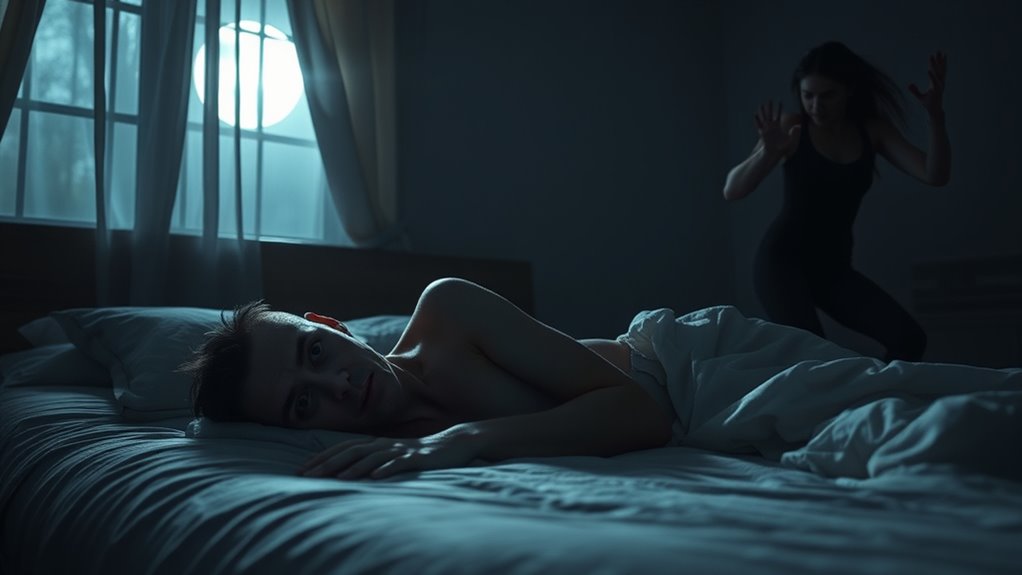
Have you ever wondered how sleep paralysis and night terrors differ, even though they both involve frightening experiences during sleep? While they may seem similar at first, understanding the differences can help you better recognize and manage each condition. Sleep paralysis often occurs during the *shift* between wakefulness and sleep, specifically during REM sleep. During an episode, you might feel unable to move, accompanied by vivid hallucinations that seem real. It’s a terrifying experience, but it’s usually harmless. Night terrors, on the other hand, happen during non-REM sleep, typically in the first few hours of the night. They often involve intense fear, screaming, and thrashing, but you usually don’t remember the episode the next day. Recognizing these differences is key to coping effectively.
One way to reduce the likelihood of sleep paralysis is by improving your sleep hygiene. This means creating a consistent sleep schedule, avoiding caffeine and alcohol before bed, and ensuring your sleep environment is comfortable and dark. Good sleep hygiene can minimize disruptions during sleep cycles, which might trigger episodes of sleep paralysis. Additionally, some people find that practicing lucid dreaming techniques can help manage sleep paralysis. By consciously recognizing when they’re experiencing an episode, they can sometimes regain control and reduce fear. For instance, reminding yourself that the hallucinations are not real can lessen panic. Developing awareness through lucid dreaming practices gives you a sense of control over your sleep experiences, making episodes less distressing. Moreover, understanding the sleep stages involved in each condition can help you better anticipate and prevent episodes by optimizing your sleep patterns.
Night terrors, however, are more difficult to predict and often linked to stress, fatigue, or sleep deprivation. Since they occur during non-REM sleep, they do not typically involve the vivid hallucinations seen in sleep paralysis. Instead, they are characterized by a sudden awakening with intense fear, often accompanied by physical symptoms like rapid heartbeat and sweating. To cope with night terrors, focus on establishing a relaxing bedtime routine and ensuring you get enough sleep. Reducing stress levels through meditation or relaxation techniques during the day can also diminish their frequency. Although night terrors are more common in children, adults can experience them too, especially during periods of high stress or poor sleep.
As an affiliate, we earn on qualifying purchases.
Frequently Asked Questions
Can Sleep Paralysis or Night Terrors Be Caused by Medication?
Yes, medication side effects from sleep disorder medications can cause sleep paralysis or night terrors. These medications might disrupt your sleep cycle or alter brain activity, leading to these episodes. If you notice a connection between your meds and these symptoms, talk to your doctor. They can adjust your dosage or suggest alternative treatments to help reduce these occurrences and improve your sleep quality.
Are Children More Prone to Night Terrors Than Adults?
Yes, children are more prone to night terrors than adults due to childhood vulnerability and developmental factors. During childhood, their nervous systems are still maturing, making them more susceptible to these intense episodes. Night terrors often occur in young children as part of normal development, whereas adults usually experience them less frequently. Your child’s age and developmental stage play a significant role in their likelihood of experiencing night terrors.
How Long Does a Typical Sleep Paralysis Episode Last?
A typical sleep paralysis episode lasts between 30 seconds and a few minutes, often depending on your sleep duration and how frequently episodes occur. During this time, you might feel unable to move or speak, which can be frightening. The duration varies from person to person, but most episodes resolve quickly. To reduce frequency, maintain a consistent sleep schedule and manage stress, helping you cope better with these unsettling episodes.
Is There a Genetic Predisposition for Either Condition?
Yes, genetic factors can influence your chances of experiencing sleep paralysis or night terrors. If family members have these conditions, you might have a familial pattern, suggesting a genetic predisposition. While genetics play a role, other factors like stress and sleep habits are also important. Understanding your family’s history can help you recognize risks and seek appropriate treatment or lifestyle adjustments to reduce episodes.
Can Lifestyle Changes Reduce the Frequency of These Episodes?
Like tending a delicate garden, your lifestyle can nurture better sleep. By improving your sleep hygiene—keeping a consistent bedtime, limiting screen time before bed, and creating a calming environment—you can reduce episodes. Stress management techniques, such as meditation or deep breathing, also play an essential role. These changes help balance your nervous system, making sleep disturbances less frequent and giving you a more restful night.
As an affiliate, we earn on qualifying purchases.
Conclusion
Now that you know the key differences between sleep paralysis and night terrors, you might wonder what’s lurking in your own nights. Could the next unsettling experience be just a fleeting shadow or something more? Stay vigilant, because understanding these phenomena might be your first step toward peace. But remember, sometimes the most mysterious nights hide the answers you least expect—are you ready to face what’s waiting in the darkness?
sleep environment blackout curtains
As an affiliate, we earn on qualifying purchases.
As an affiliate, we earn on qualifying purchases.
relaxation and stress relief sleep aids
As an affiliate, we earn on qualifying purchases.
As an affiliate, we earn on qualifying purchases.
Fall Picks
fall essentials
As an affiliate, we earn on qualifying purchases.