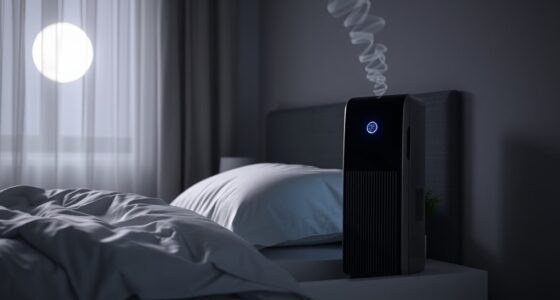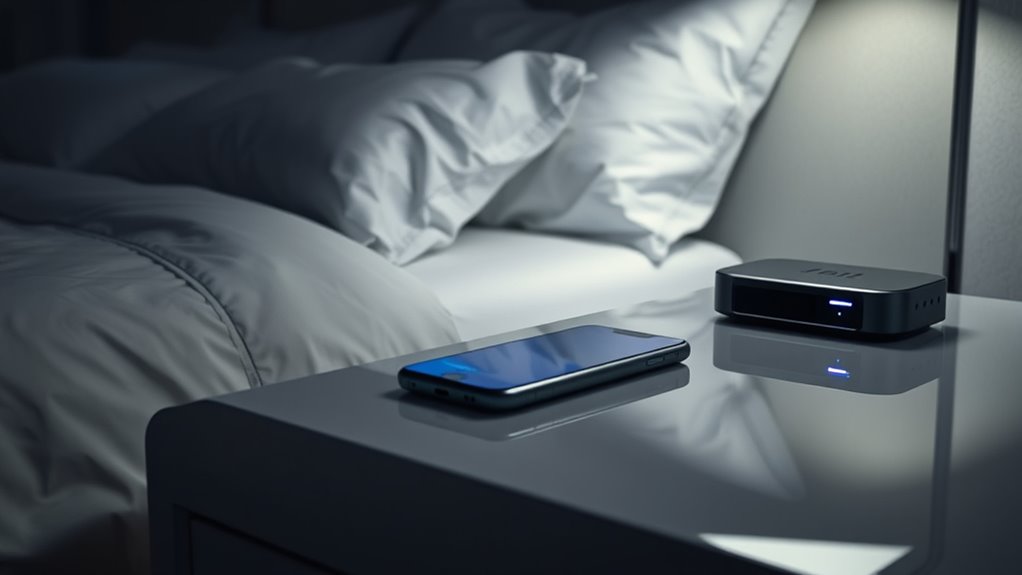

Electronic devices in your room emit electromagnetic fields (EMFs) that can interfere with your sleep by disrupting melatonin production and causing fragmented rest. Wireless signals from routers, smartphones, and other gadgets emit constant EMFs, which may subtly affect your sleep patterns and alertness. Turning off devices or keeping them farther from your bed can help improve sleep quality. Keep exploring to discover effective tips for creating a healthier, sleep-friendly environment.

Get health and wellness essentials delivered free — and shop member deals
- Fast, free delivery on millions of items
- Access to Prime Big Deal Days deals on October 6–7
- Prime Video, Amazon Music and more included
Key Takeaways
- EMFs from devices like routers and smartphones can interfere with sleep by disrupting melatonin production.
- Keeping electronic devices near the bed increases exposure to EMFs, potentially causing fragmented or poor-quality sleep.
- Turning off or unplugging electronics before bedtime reduces EMF exposure and may improve sleep quality.
- Using wired connections and EMF shielding techniques can create a sleep environment less affected by electromagnetic fields.
- Limiting screen time and establishing tech-free zones in the bedroom support healthier sleep patterns.
As an affiliate, we earn on qualifying purchases.
Understanding Electromagnetic Fields and Their Sources
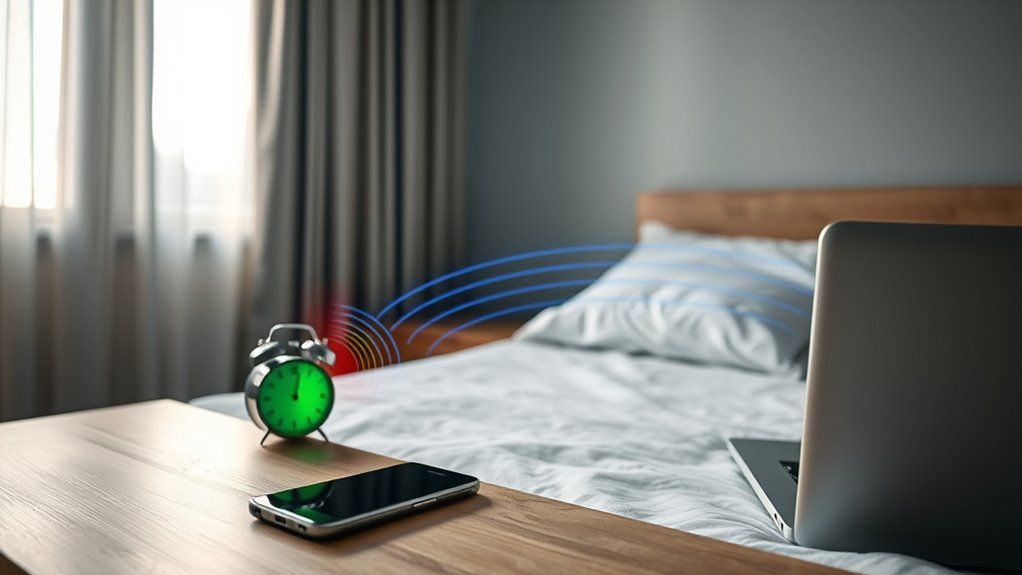
Electromagnetic fields (EMFs) are invisible forces generated by various electronic devices and power sources that surround us daily. Wireless signals from routers, smartphones, and tablets emit EMFs, creating constant exposure in our environment. Household appliances like refrigerators, microwaves, and TVs also produce EMFs when plugged in and operating. These fields are part of the electromagnetic spectrum and are present whether devices are actively in use or on standby. While EMFs are invisible and often unnoticed, they’re a fundamental aspect of modern life. Understanding their sources helps you recognize how pervasive they are in your home. Being aware of wireless signals and household appliances as EMF sources is the first step toward evaluating their potential impact on your health and sleep quality. Understanding electromagnetic spectrum is crucial for grasping the range and strength of these fields. Additionally, awareness of electromagnetic exposure can aid in making informed decisions about reducing unnecessary EMF contact in your environment.
As an affiliate, we earn on qualifying purchases.
How EMF Exposure Might Influence Sleep Patterns
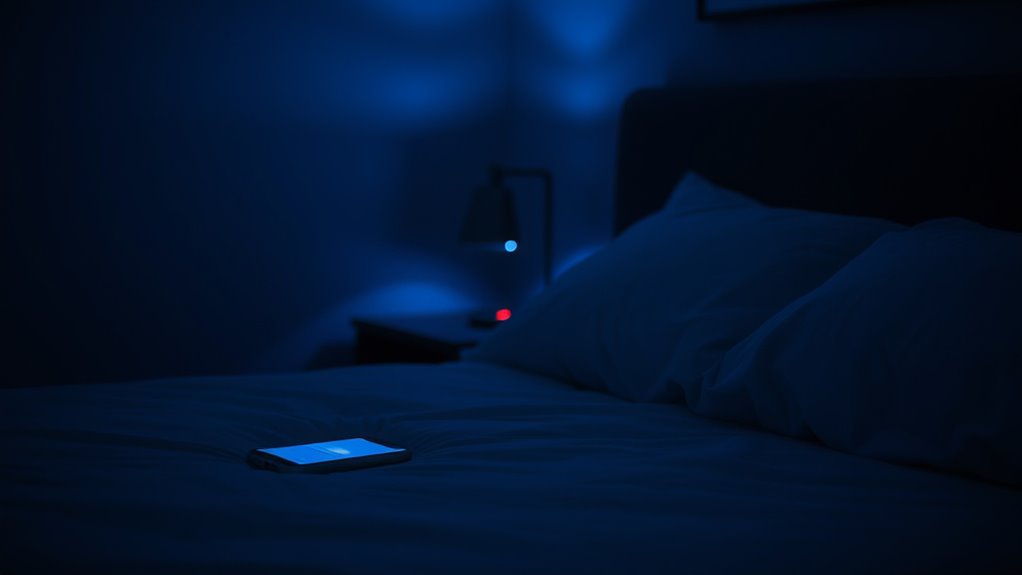
Since EMF exposure is constant in modern environments, it can interfere with your sleep patterns in subtle but significant ways. Wireless communication signals from devices like smartphones, tablets, and Wi-Fi routers emit electromagnetic fields that can disrupt your body’s natural rhythms. These emissions may interfere with melatonin production, making it harder for you to fall asleep or stay asleep throughout the night. The exposure to these fields, especially when close to your bed, can increase alertness or cause fragmented sleep. While research is ongoing, many sleep experts suggest minimizing exposure before bedtime by turning off devices or moving them away from your sleeping area. electromagnetic fields may also contribute to increased sleep disturbances. Implementing local automation to turn off or limit device emissions during sleep hours may help promote better sleep quality. Additionally, using EMF shielding products or techniques can reduce exposure and support healthier sleep environments. Creating a sleep-friendly environment by reducing electromagnetic interference can further enhance rest and recovery during the night. Incorporating sleep hygiene practices, such as establishing a calming pre-sleep routine, can also help mitigate the impacts of EMF exposure.
As an affiliate, we earn on qualifying purchases.
Scientific Research and Findings on EMF and Restfulness
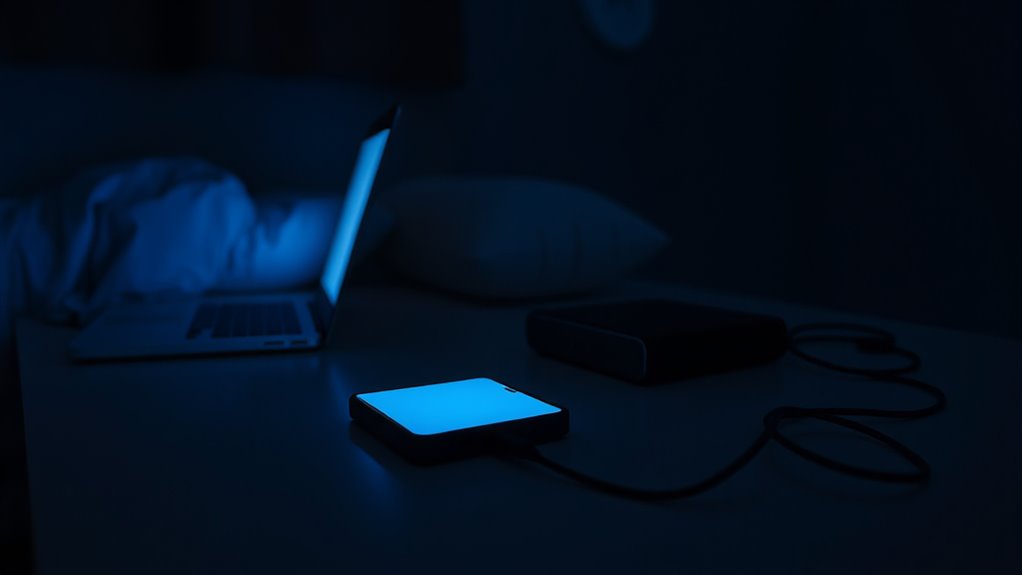
Numerous scientific studies have investigated how EMF exposure affects sleep quality, with many indicating a potential link between increased electromagnetic fields and reduced restfulness. Researchers have found that a well-shielded sleep environment may help mitigate these effects. EMF shielding devices can lower electromagnetic exposure around your bed, potentially improving sleep quality. Some studies suggest that even low-level EMF exposure can disrupt melatonin production, which is essential for restful sleep. While findings vary, a growing body of evidence points to the importance of minimizing EMF in your sleeping area. Creating a sleep environment with reduced electromagnetic fields might enhance your sleep, helping you wake up feeling more refreshed and alert. Continuing research aims to clarify the mechanisms behind EMF’s influence on restfulness.
As an affiliate, we earn on qualifying purchases.
Practical Tips to Minimize EMF Exposure During Sleep

To reduce your EMF exposure during sleep, start by creating a sleep environment that limits electronic devices and their signals. Avoid keeping smartphones, tablets, or Wi-Fi routers near your bed. Instead, turn off wireless charging stations and unplug smart home devices that aren’t necessary overnight. Use wired connections whenever possible, and consider placing devices farther from your sleeping area. Here’s a quick guide:
| Tip | Action | Benefit |
|---|---|---|
| Turn off Wi-Fi | Switch off router before sleep | Reduces EMF emissions |
| Unplug smart devices | Disconnect devices not in use | Limits unnecessary signals |
| Avoid wireless charging | Use wired chargers instead | Eliminates constant EMF exposure |
| Keep devices away | Place electronics across the room | Minimizes direct EMF exposure |
Additionally, reducing the use of wireless devices can further diminish EMF exposure during sleep. Being aware of EMF levels in your environment can help you make informed choices about device placement and usage.
Balancing Technology Use and Sleep Health
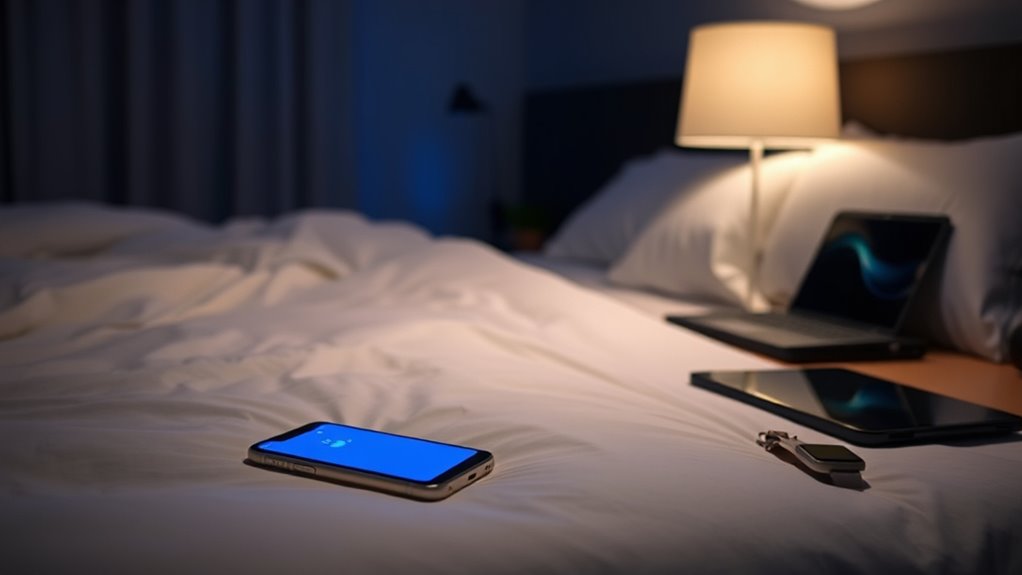
While minimizing EMF exposure during sleep is important, maintaining a healthy balance between technology use and rest is equally vital for overall sleep quality. Excessive device use can lead to wireless interference, disrupting your sleep patterns. To strike that balance, consider limiting screen time before bed and turning off unnecessary electronics. Using emf shielding products can reduce EMF emissions from devices still in use, helping to create a sleep-friendly environment. Be mindful of how often you check your devices, and establish tech-free zones in your bedroom. Additionally, electromagnetic interference from electronic devices can disrupt sleep cycles, so managing your technology habits is crucial. Incorporating EMF mitigation techniques such as shielding paints or filters can further reduce exposure. Understanding the health effects of EMF can motivate more mindful device use and support your sleep health. Managing electromagnetic exposure in your environment can help prevent disruptions and promote better rest. For example, choosing EMF shielding products that are designed specifically for sleep environments can be especially effective. By consciously managing your technology habits and utilizing emf shielding when needed, you can prevent sleep disruptions caused by electromagnetic fields while still enjoying the benefits of modern technology.
Frequently Asked Questions
Are Certain Electronic Devices More Harmful Than Others Regarding EMF Emission?
Yes, certain device types emit higher emf intensity and can be more harmful. For example, wireless routers, cell phones, and baby monitors tend to produce stronger EMF levels compared to wired devices like desktops or landline phones. You should be aware of the device types in your room and their emf intensity, especially if you sleep near them. Reducing exposure by turning off devices or keeping them at a distance can help protect your health.
How Long Does It Take for EMF Exposure to Affect Sleep Quality?
EMF impact on sleep disruption can vary, but effects may appear within minutes to hours of exposure. If you keep electronic devices nearby, you might notice restless nights or difficulty falling asleep within a short period. Continuous exposure can increase the likelihood of disrupted sleep patterns over time. To protect your rest, consider reducing EMF exposure before bed, especially from devices that emit higher levels of electromagnetic fields.
Can EMF Exposure Cause Long-Term Health Issues Beyond Sleep Disruption?
You might think short-term EMF exposure is harmless, but chronic exposure could lead to long-term health issues, like increased cancer risk or neurological effects. While research is ongoing, evidence suggests that prolonged EMF exposure from electronic devices may impact your health beyond sleep disruption. To reduce risks, limit device use near your bed and keep your environment as EMF-free as possible, especially during sleep hours.
Is There a Safe Distance to Keep Devices Away From the Bed?
Yes, keeping electronic devices at a safe distance from your bed helps reduce exposure. Experts recommend placing devices like smartphones and tablets away from your bedside, ideally at least three feet or more. This device distance minimizes EMF exposure during sleep and can improve your rest quality. Make it a habit to keep gadgets on a desk or dresser instead of right next to your pillow for better sleep health.
Do EMF Shielding Products Effectively Improve Sleep Quality?
EMF shielding products can effectively improve sleep quality by reducing your exposure to electromagnetic fields. When you use these shields, they block or diminish EMF radiation from devices, creating a calmer environment that promotes better rest. While individual results vary, many find that incorporating EMF shielding into their sleep routine helps them fall asleep faster and enjoy more restorative sleep, making your bedroom a safer, more sleep-friendly space.
Conclusion
Imagine trying to fall asleep with a constant buzzing in your ear—that’s what EMF exposure can feel like. Studies show that even small electromagnetic fields can disrupt your sleep cycles. By reducing your device use before bed, you’re like a gardener trimming back unruly branches, creating space for restful sleep to flourish. Taking simple steps can make a big difference, helping you wake up refreshed and ready to face the day.
Evergreen bestsellers Picks
bestsellers
As an affiliate, we earn on qualifying purchases.