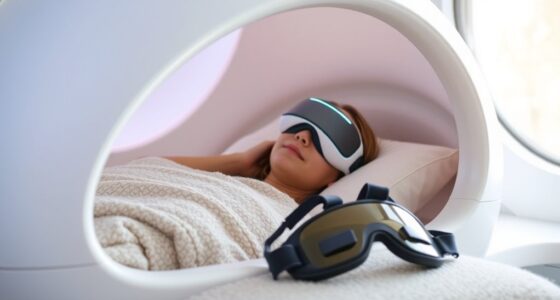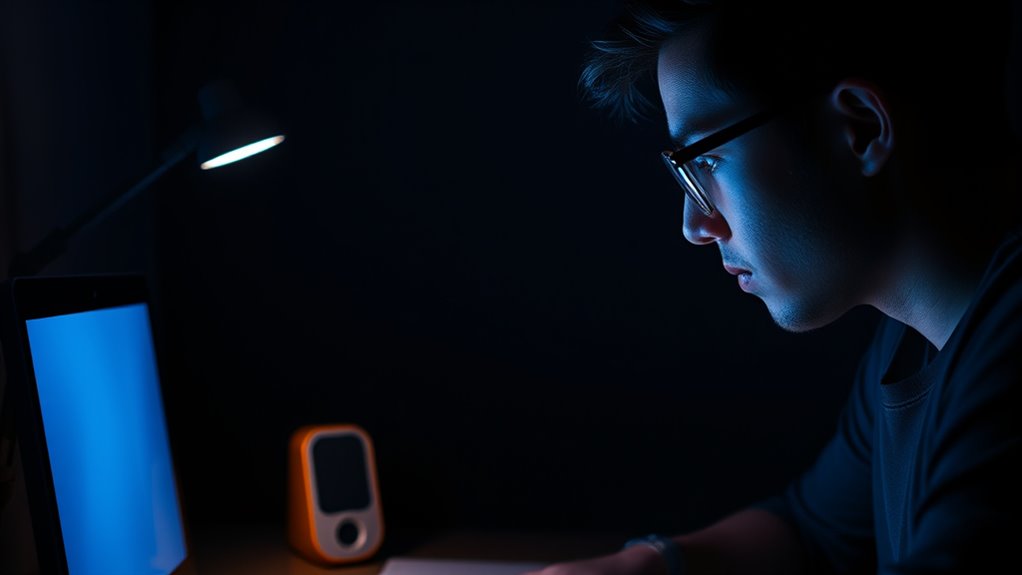

To survive night shifts, use light strategically by exposing yourself to bright, blue-enriched lights at the start of your shift to stay alert, and switch to dim, warmer lights afterward to promote sleep. Tech devices like smart lighting systems and blue light filters can help regulate your body clock and improve alertness. Combining these light and tech strategies with good sleep hygiene boosts your well-being and performance—discover more tips to optimize your night work routine.

Get health and wellness essentials delivered free with Prime
- Fast, free delivery on millions of items
- Prime Video, Amazon Music and more included
- Member-only deals all year
Key Takeaways
- Use bright, blue-enriched light during night shifts to promote alertness and reset your circadian rhythm.
- Minimize light exposure on the way home to facilitate daytime sleep and maintain a consistent sleep schedule.
- Utilize smart lighting and device filters to control light temperature and reduce melatonin suppression before sleep.
- Implement light therapy devices to simulate natural daylight, boosting alertness during night work.
- Track sleep and alertness patterns with wearable technology to optimize routines and improve circadian adaptation.
blue light blocking glasses for night shift
As an affiliate, we earn on qualifying purchases.
As an affiliate, we earn on qualifying purchases.
Understanding Your Internal Clock and Its Impact on Night Work
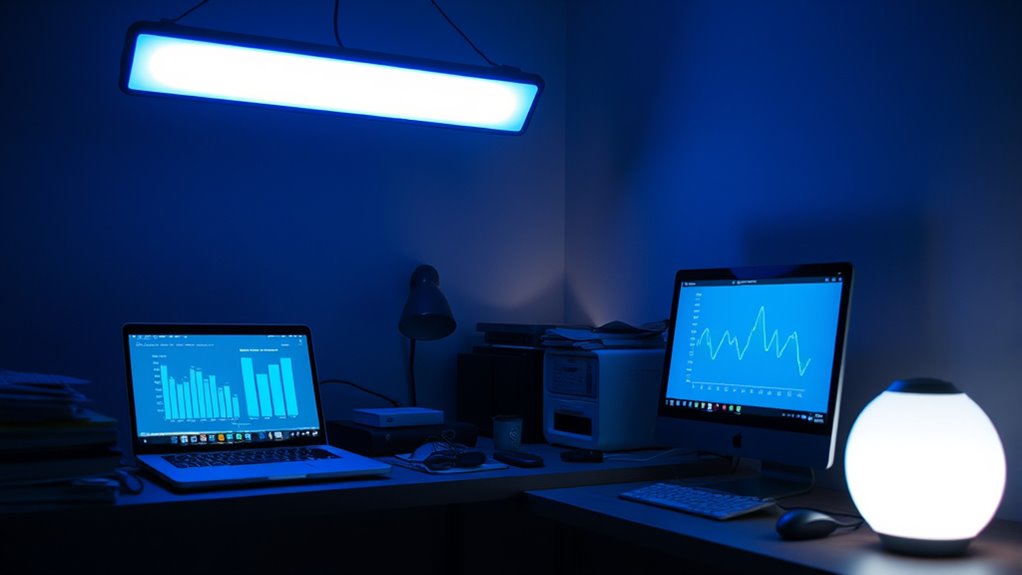
Your internal clock, also known as your circadian rhythm, plays a crucial role in how well you adapt to night shifts. This natural cycle regulates your sleep-wake patterns, influencing alertness and performance. When you work at night, your circadian rhythms are out of sync with the external environment, making it harder to stay awake and alert. Melatonin regulation is a key part of this process; normally, melatonin levels rise in the evening to signal sleep, but during night shifts, this timing gets disrupted. Understanding how your internal clock functions helps you recognize why you might feel sleepy during your shift or struggle to sleep afterward. By respecting these rhythms, you can better manage your sleep and stay alert during demanding night work. European cloud innovation and sustainable cloud solutions emphasize the importance of energy-efficient practices that can also support healthy circadian rhythms in work environments. Implementing light therapy techniques that mimic natural daylight can significantly improve your alertness and circadian alignment during night shifts, especially when combined with other sleep hygiene strategies.
light therapy lamp for circadian rhythm
As an affiliate, we earn on qualifying purchases.
As an affiliate, we earn on qualifying purchases.
Using Light to Reset and Reinforce Your Sleep-Wake Cycle
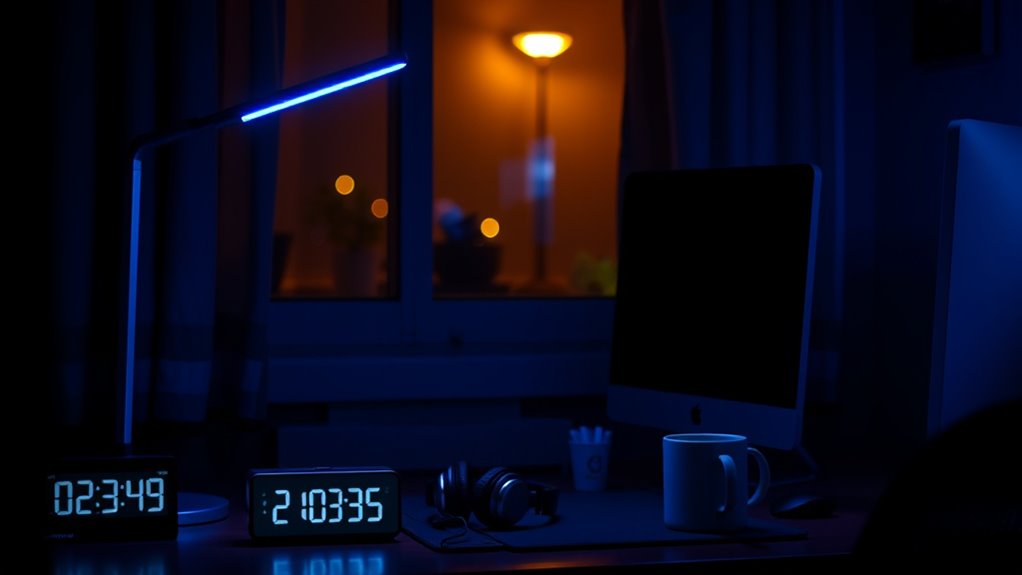
Light exposure is one of the most effective tools for resetting and reinforcing your sleep-wake cycle when working night shifts. Bright light during your shift signals your body to stay alert, helping you adapt to a nocturnal schedule. Use a light box or strategic exposure to natural light when arriving at work, and minimize light exposure on the way home to promote sleep. Melatonin supplements can help signal your body that it’s time to sleep, especially if you’re adjusting your sleep schedule. Additionally, caffeine timing is vital; consume it early in your shift to boost alertness, but avoid it later to prevent interference with sleep. By controlling light exposure and timing these substances, you can better align your internal clock with your night shift schedule. Incorporating light therapy into your routine can further enhance your ability to adapt more quickly and comfortably to a nocturnal schedule. Recognizing the importance of circadian rhythms can help you tailor your light exposure strategies for optimal results. Implementing light timing strategies can optimize your adaptation process and improve overall alertness during your shift. Paying attention to personal chronotype can also help customize your light and activity schedule for better sleep quality and alertness. Understanding how sleep-wake cycle regulation works can provide additional insights into maintaining alertness and well-being during night shifts.
smart lighting system for sleep regulation
As an affiliate, we earn on qualifying purchases.
As an affiliate, we earn on qualifying purchases.
Smart Lighting Options for Night Shift Workers

Smart lighting options have become essential tools for night shift workers seeking to optimize alertness and sleep quality. These lights can be customized to influence your circadian rhythm, helping you stay alert during your shift while minimizing melatonin suppression. Bright, blue-enriched lights boost alertness by mimicking daylight, but they should be used strategically to avoid interfering with your sleep afterward. Conversely, warmer, dimmer lights signal your body to prepare for rest, aiding in melatonin production post-shift. Modern smart lighting systems often allow you to adjust brightness and color temperature automatically or remotely, giving you control over how light impacts your body’s clock. Using these options thoughtfully helps you maintain a healthier sleep-wake cycle despite irregular hours. Additionally, understanding home lighting practices can optimize your overall environment for better sleep and alertness, especially when combined with light timing techniques that align with your work schedule. Incorporating circadian-friendly light schedules can further support your body’s natural rhythms even during irregular work hours. Being mindful of light exposure patterns can make a significant difference in managing your energy levels and sleep quality during night shifts, especially when you leverage customizable smart lighting to adapt to your changing needs.
wearable sleep tracker for night workers
As an affiliate, we earn on qualifying purchases.
As an affiliate, we earn on qualifying purchases.
Incorporating Tech Devices to Boost Alertness and Sleep Quality
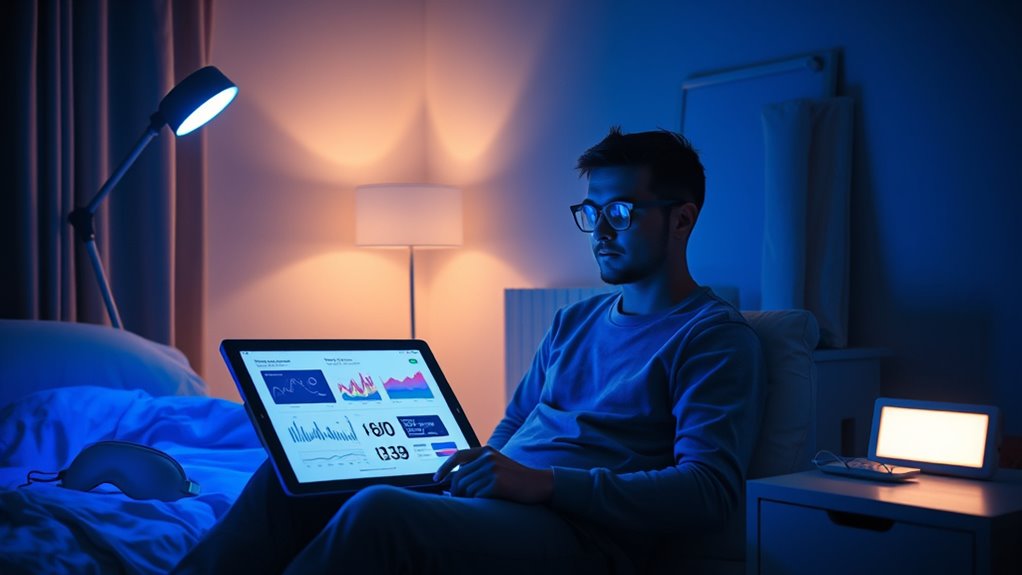
Integrating technology devices into your routine can considerably enhance alertness during night shifts and improve sleep quality afterward. Wearable trackers help monitor your activity levels, heart rate, and sleep patterns, giving you insights to optimize your schedule. They can alert you when you’re becoming too fatigued or when you need a quick break. Sleep apps are equally valuable, guiding you through relaxation techniques, tracking sleep quality, and providing personalized suggestions for better rest. Using these tools, you can adjust your routines based on data, ensuring you’re alert when needed and well-rested afterward. The combination of wearable trackers and sleep apps empowers you to take control of your health during demanding night shifts, making it easier to stay productive without sacrificing recovery. Additionally, performance ratings of vacuum cleaners highlight the importance of choosing reliable technology to support your routine. Incorporating smart home automation can further optimize your environment by adjusting lighting and climate to support your sleep and alertness cycles. For example, ambient lighting can be programmed to simulate natural light patterns, aiding your body’s circadian rhythm and improving overall sleep quality. Moreover, understanding the contrast ratio of your environment can help you create optimal lighting conditions that minimize eye strain and enhance alertness during your shift. Implementing adaptive lighting systems can also help maintain consistency in your circadian rhythm, especially during irregular work hours.
Practical Tips for Maintaining Health and Well-being During Night Shifts

Staying healthy during night shifts requires intentional effort and practical strategies. To stay energized and maintain well-being, focus on these key areas:
Maintaining health during night shifts involves intentional effort and practical strategies.
- Optimize meal timing by eating small, balanced meals at regular intervals. Avoid heavy foods that cause drowsiness and opt for light snacks to sustain alertness.
- Incorporate exercise routines into your schedule, even if it’s just quick stretching or short walks during breaks. Movement helps boost circulation and keeps you alert. Regular physical activity can also help regulate your body clock and improve sleep quality.
- Prioritize sleep hygiene by creating a dark, quiet sleep environment during daytime rest and sticking to a consistent sleep schedule, even on days off.
- Consider using portable power stations to ensure your devices and sleep aids remain functional, especially during power outages or storms.
Applying these tips helps you stay healthier, more alert, and better equipped to handle the demands of night shifts.
Frequently Asked Questions
How Does Caffeine Consumption Affect My Circadian Rhythm During Night Shifts?
Caffeine can temporarily boost your alertness during night shifts, but it may lead to caffeine dependency and sleep disruption later. When you rely on caffeine, your body gets used to it, making it harder to feel awake without it. Plus, consuming caffeine too late can interfere with your sleep after the shift, disrupting your circadian rhythm. Be mindful of your intake to balance alertness and healthy sleep patterns.
Can Specific Dietary Choices Improve Alertness and Sleep Quality at Night?
Eating a protein-rich breakfast at night can boost alertness, while a light, healthy dinner helps you sleep better afterward. For example, you might time your meals around your shift to optimize energy. Staying hydrated with water or herbal teas prevents fatigue. Focus on meal timing and hydration strategies to improve alertness during your shift and enhance sleep quality afterward, helping you stay balanced and alert.
What Are the Risks of Long-Term Night Shift Work on Mental Health?
Long-term night shift work can harm your mental health, increasing risks of shift work syndrome, anxiety, and depression. You might also face mental health stigma, making it harder to seek support. The irregular schedule disrupts your natural rhythm, leading to fatigue and emotional strain. Over time, these factors compound, affecting your overall well-being. Recognizing these risks helps you take proactive steps to protect your mental health while working night shifts.
How Can I Adjust My Schedule if I Need to Switch Between Day and Night Shifts?
You can adjust your schedule by implementing shift rotation strategies and sleep schedule adjustments. Gradually shift your sleeping and waking times a few days before switching shifts, and use light exposure to reset your circadian rhythm. Prioritize consistent sleep routines, even on off days, and limit caffeine close to bedtime. These steps help your body adapt smoothly, minimizing fatigue and maintaining alertness during your new shift.
Are There Any Effective Relaxation Techniques to Help Me Fall Asleep After a Night Shift?
Think of your mind as a busy city that needs calming to rest. You can do this with progressive muscle relaxation, tensing and relaxing each muscle group, or guided imagery—visualizing peaceful scenes. These techniques quiet your thoughts and ease your body into sleep after a night shift. Practice them regularly to make falling asleep easier, helping you recharge and face your next shift refreshed and ready.
Conclusion
Remember, your body’s clock is like a delicate dance partner—if you learn to lead with light and technology, you can keep it in step. Night shifts may challenge your rhythms, but with the right tools and mindset, you can outsmart your internal clock. Embrace these strategies as your secret weapon—because when you master your environment, you master your well-being. Don’t let the night dictate your health—take control and shine your way through.
Halloween Picks
halloween
As an affiliate, we earn on qualifying purchases.