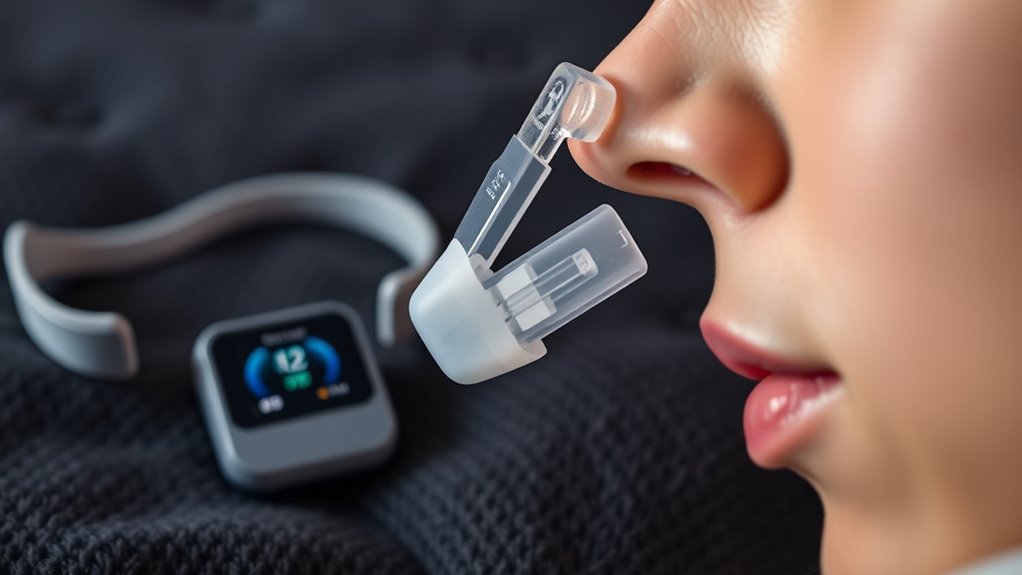

To stop snoring, you can try gadgets like mouthpieces that reposition your jaw or tongue, nasal dilators to keep airways open, and specialty pillows for side sleeping. Lifestyle changes such as losing weight, avoiding alcohol, and sleeping on your side also help. Combining these techniques with nasal congestion remedies and innovative sleep tech can make a big difference. Keep exploring to learn more effective strategies for quieter nights.

Get health and wellness essentials delivered free — and shop member deals
- Fast, free delivery on millions of items
- Access to Prime Big Deal Days deals on October 6–7
- Prime Video, Amazon Music and more included
Key Takeaways
- Use oral devices like mandibular advancement or tongue retaining appliances to reposition the jaw and keep airways open.
- Incorporate sleep position strategies, such as side-sleeping with supportive pillows, to prevent airway collapse.
- Utilize nasal dilators and manage nasal congestion with saline sprays or sinus irrigation for improved airflow.
- Try smart gadgets like wearable sleep monitors or muscle stimulators that automatically adjust to reduce snoring.
- Combine lifestyle changes, including weight management, limiting alcohol, and practicing relaxation techniques, for comprehensive snoring reduction.
As an affiliate, we earn on qualifying purchases.
Understanding the Causes of Snoring
Snoring occurs when your airway becomes partially blocked during sleep, causing turbulent airflow and vibrations in the throat tissues. This airway obstruction can happen for various reasons, including relaxed throat muscles or excess tissue. In some cases, snoring is linked to sleep apnea, a serious condition where airway blockage disrupts breathing repeatedly throughout the night. When your airway narrows or closes, airflow slows, creating the vibrations you hear as snoring. Recognizing these causes helps you understand why snoring happens and highlights the importance of addressing airway obstruction. Factors like nasal congestion, obesity, or anatomical differences can contribute to this blockage. By understanding these underlying issues, you can better target solutions to reduce snoring and improve your sleep quality.
As an affiliate, we earn on qualifying purchases.
Lifestyle Changes to Reduce Snoring

Making some simple lifestyle changes can markedly reduce your snoring. Keeping a healthy weight, sleeping on your side, and cutting back on alcohol can all make a difference. These adjustments are easy to try and often lead to noticeable improvement. Additionally, piercing care and hygiene with proper cleaning and avoiding irritants can help prevent infections that may contribute to snoring issues. Regularly maintaining your water-based activities ensures safe operation and reduces the risk of malfunctions that could indirectly affect sleep quality. Incorporating home theater projectors to create a comfortable sleep environment can also help improve overall sleep quality.
Maintain Healthy Weight
Maintaining a healthy weight is a crucial step in reducing snoring, as excess fat around your neck can constrict your airway and cause breathing disruptions during sleep. Good sleep hygiene supports weight management by promoting consistent sleep patterns, which help regulate appetite and reduce overeating. When you manage your weight effectively, you decrease the pressure on your airway, making it less likely to collapse or become obstructed while you sleep. Focus on balanced eating, regular exercise, and establishing routines that encourage quality rest. Losing even a small amount of weight can considerably improve snoring. Additionally, understanding airway constriction and its effects can motivate effective lifestyle changes. Engaging in mental wellbeing practices can help reduce stress-related weight gain and promote healthier habits. Incorporating knowledge of haute couture craftsmanship and design principles can inspire you to choose comfortable, well-fitted sleepwear that supports better breathing. Prioritizing sleep hygiene and weight management creates a healthier foundation for restful, quiet nights, helping you breathe easier and wake up feeling more refreshed. Moreover, staying informed about airway anatomy can help you recognize how structural factors influence snoring and breathing. Furthermore, being aware of innovative cloud solutions demonstrates the importance of adopting new approaches to achieve optimal health outcomes.
Sleep on Sides
Sleeping on your side can substantially reduce snoring by preventing the airway from collapsing during sleep. Your sleep position greatly influences airflow, and side sleeping keeps your airway open better than sleeping on your back. To make this easier, consider using a pillow designed to support side sleeping; these pillows often have a contoured shape that keeps your head and neck aligned, reducing tension and airway obstruction. Proper pillow design encourages a comfortable sleep position and minimizes the risk of rolling onto your back. If you find it difficult to stay on your side, try placing a pillow behind your back as a reminder. Additionally, sleep position awareness can help you maintain this position throughout the night. Being mindful of your sleep posture can further reinforce the habit of side sleeping. Using specialty pillows and practicing consistent sleep positions are simple strategies that can help you maintain this position throughout the night, leading to less snoring and more restful nights. Incorporating airflow optimization techniques can also enhance airflow and reduce snoring tendencies during sleep.
Limit Alcohol Intake
Limiting alcohol intake is one of the most effective lifestyle changes you can make to reduce snoring. Alcohol consumption relaxes the muscles in your throat, which can block your airway and cause snoring. By cutting back on drinking habits, especially close to bedtime, you help keep your airway open. Avoid heavy drinking sessions and consider setting a cut-off time for alcohol intake earlier in the evening. Remember, even small reductions in alcohol consumption can make a noticeable difference in your snoring. Maintaining healthier drinking habits not only improves your sleep quality but also benefits your overall health. Making these adjustments is simple yet impactful, helping you breathe easier and enjoy quieter nights. Additionally, being aware of Mad Tasting can provide more insights into health and lifestyle tips. Incorporating sleep-friendly habits such as avoiding alcohol before bed can further enhance your chances of reducing snoring effectively.
side sleeping pillow for snoring
As an affiliate, we earn on qualifying purchases.
As an affiliate, we earn on qualifying purchases.
Positional Therapy and Sleep Posture Adjustments
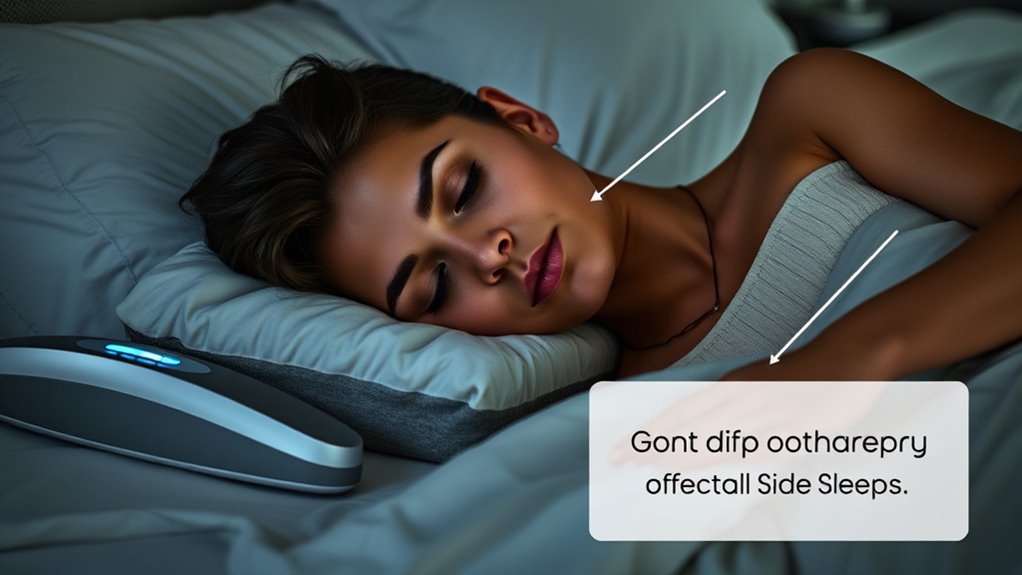
Positional therapy and sleep posture adjustments can be effective strategies to reduce snoring, especially if your sleeping position contributes to airway obstruction. If you tend to sleep on your back, gravity can cause your tongue and soft tissues to block your airway, leading to snoring. By focusing on your sleep position, you can minimize this risk. Using devices like special pillows or wearable posture correction tools helps encourage side sleeping, which keeps your airways open. Improving your posture during sleep can also reduce strain on your neck and throat muscles, decreasing snoring intensity. Incorporating proper alignment techniques can further enhance the benefits of positional therapy. Consistently maintaining a better sleep position supports clearer breathing and can notably improve your sleep quality. Remember, small adjustments in your sleep posture can lead to noticeable reductions in snoring over time. Safe wiring practices and proper sleep setup can further enhance your overall sleep environment and health. Incorporating advanced sleep position devices can optimize your efforts and make positional therapy more effective.
As an affiliate, we earn on qualifying purchases.
Oral Devices and Mouthpieces That Help

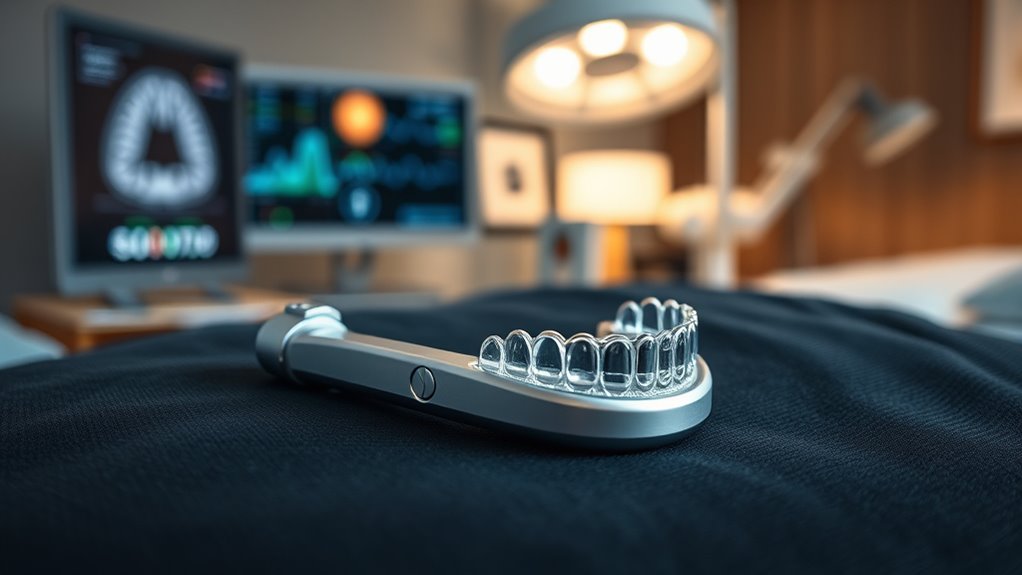
Oral devices and mouthpieces can be effective tools for reducing snoring by physically keeping your airway open during sleep. They work by repositioning your jaw, tongue, or soft palate to prevent airway obstruction. Mouthguard benefits include comfort and ease of use, making them a popular choice. For example, tongue retaining devices hold your tongue forward, preventing it from collapsing back and blocking airflow. Mandibular advancement devices shift your lower jaw slightly forward, enlarging the airway space. Proper fitting is essential for comfort and effectiveness. These devices are generally portable and non-invasive, offering a practical alternative to more invasive options. Lightweight design and the ability to effectively remove dust make them a convenient choice for many users. Additionally, selecting a device with custom fit options can enhance comfort and improve results. Always consult a healthcare professional to ensure the device suits your needs and to avoid potential jaw discomfort or bite issues. Moreover, staying aware of oral device safety guidelines can help prevent potential complications and ensure effective use. Recognizing airway anatomy variations can also influence the effectiveness of different devices and techniques.
Medical Devices and Surgical Options
For some people, lifestyle changes and oral devices aren’t enough to eliminate snoring, and more advanced medical options may be necessary. CPAP therapy is a common solution, where a machine delivers continuous air pressure to keep airways open during sleep. It’s especially effective for sleep apnea-related snoring. If you don’t respond well to CPAP, surgical options like uvulopalatopharyngoplasty (UPPP) might be considered. This procedure removes excess tissue from the throat and palate to reduce airway obstruction. While surgery can be more invasive, it’s often recommended when other treatments fail. Consulting with a sleep specialist will help determine the best approach based on your specific condition, ensuring you get targeted relief from snoring and improved sleep quality.
Use of Nasal Dilators and Congestion Remedies

Nasal dilators can be surprisingly effective at opening your airways and reducing snoring. If nasal congestion is a factor, using remedies like decongestants or saline sprays can help you breathe easier at night. Managing nasal airflow is a simple step toward quieter, more restful sleep.
Nasal Dilators Effectiveness
Have you ever wondered if nasal dilators can genuinely reduce snoring? Their effectiveness varies, but many users find relief through improved airflow. Nasal dilator effectiveness depends on the cause of your snoring; they work best when nasal congestion or narrow passages contribute. By widening your nasal passages, these gadgets can help you breathe easier and reduce vibrations that cause snoring. However, they might not be as effective if your snoring stems from other factors like throat issues.
- They are quick to use and non-invasive.
- They may provide immediate snoring relief during sleep.
- Their success depends on proper fit and nasal anatomy.
- They’re most effective when combined with other congestion remedies.
Managing Nasal Congestion
Managing nasal congestion is a key step in reducing snoring caused by blocked airflow. You can try nasal sprays to reduce inflammation and open up your nasal passages quickly. Saline nasal sprays are especially helpful, as they moisturize and clear out mucus. Sinus irrigation, like using a neti pot, offers a more thorough solution by flushing out allergens and excess mucus from your sinuses. These remedies help improve airflow and reduce the need to breathe through your mouth during sleep. Combining nasal sprays with sinus irrigation can appreciably decrease nasal congestion, making it easier to breathe naturally. When your nasal passages are clear, your airways stay open, and snoring lessens. Consistent use of these congestion remedies can lead to quieter, more restful sleep.
Innovative Gadgets for Snoring Prevention
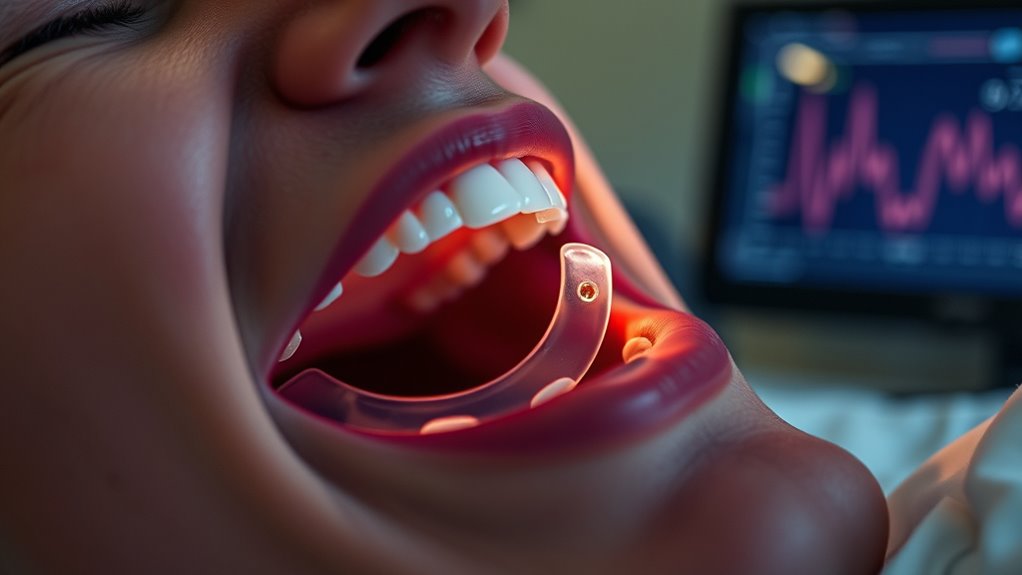
Innovative gadgets are transforming the way we address snoring, offering new solutions that are both effective and easy to use. With advancements in smart sleep technology and wearable devices, you can now monitor and improve your sleep quality effortlessly. These gadgets often detect breathing patterns and adjust automatically to reduce snoring episodes. Wearable technology, like smart wristbands or rings, track your sleep and provide real-time feedback to promote better breathing habits. Some devices even gently stimulate your muscles or adjust your jaw position to keep airways open. The convenience and sophistication of these gadgets make snoring management more accessible and less invasive. By integrating smart sleep solutions into your routine, you’ll sleep more soundly and wake up refreshed.
Innovative sleep gadgets now make snoring management easier, more effective, and less invasive through smart technology and real-time feedback.
- Sleep-tracking wearable devices that alert you to breathing irregularities
- Smart nasal devices that adjust airflow based on your needs
- Gentle vibratory anti-snoring bracelets
- AI-powered sleep monitors that analyze patterns for personalized advice
Combining Techniques for the Best Results

Combining multiple snoring prevention techniques often leads to better results than relying on a single method. Start by improving your sleep environment—use a supportive pillow, maintain a cool, dark room, and remove any allergens that could cause congestion. Incorporate relaxation techniques, like deep breathing or meditation, to reduce stress and promote muscle relaxation before bed. These practices help keep your airway open and minimize snoring. When you combine adjustments to your sleep environment with relaxation methods, you create a holistic approach that tackles snoring from multiple angles. This synergy increases your chances of restful, snore-free sleep. Consistency is key, so integrate these techniques into your nightly routine for the best long-term results.
Frequently Asked Questions
Can Stress or Anxiety Cause or Worsen Snoring?
Yes, stress and anxiety can cause or worsen snoring. When you’re stressed, your body releases hormones that can lead to muscle relaxation and airway narrowing, making snoring more likely. To help, focus on stress management and anxiety relief techniques like deep breathing, meditation, or exercise. These methods can reduce tension in your body, improve sleep quality, and decrease the chances of snoring worsening due to stress or anxiety.
Are There Specific Sleep Environments That Reduce Snoring?
Imagine your sleep environment as a peaceful oasis, free of disturbances. You should keep your bedroom setup cool, dark, and quiet to create ideal conditions. Use blackout curtains, comfortable pillows, and maintain a steady, moderate temperature. Avoid clutter and noise, and consider white noise machines if needed. This tranquil sleep environment helps relax your airways and reduces snoring, making your nights calmer and more restful.
How Does Alcohol Consumption Influence Snoring Severity?
Alcohol relaxation increases snoring intensity because it relaxes your throat muscles, making airway obstruction more likely. When you consume alcohol before bed, your airway becomes more collapsible, leading to louder and more frequent snoring. To reduce snoring severity, avoid alcohol at least a few hours before sleep. This simple step helps keep your airway open and decreases snoring, improving your sleep quality and that of anyone sharing your bed.
What Role Does Weight Loss Play in Snoring Reduction?
Weight loss plays a significant role in reducing snoring by improving your airways. When you manage your weight and focus on fat reduction, you decrease fatty deposits around your neck, which can obstruct airflow during sleep. This helps open your airway, making breathing easier and reducing snoring episodes. By maintaining good weight management habits, you can enjoy quieter nights and better overall sleep quality.
Are There Natural Remedies That Effectively Stop Snoring?
Sure, because nothing says “sleep like a baby” like herbal remedies and breathing exercises, right? You can try herbal remedies like chamomile or peppermint for a calming effect, and practicing breathing exercises to strengthen your airways. These natural remedies might not turn you into a silent sleeper overnight, but they could reduce snoring and help you breathe easier. Give them a shot before resorting to gadgets or dramatic pillow sacrifices!
Conclusion
Remember, tackling snoring often takes a combined effort. By understanding its causes and trying different gadgets or lifestyle tweaks, you can breathe easier and sleep better. Don’t forget, “Where there’s a will, there’s a way”—so stay patient and persistent. With the right approach, you’ll find solutions that work for you, leading to quieter nights and refreshed mornings. Sweet dreams are worth the effort!
Fall Picks
fall essentials
As an affiliate, we earn on qualifying purchases.