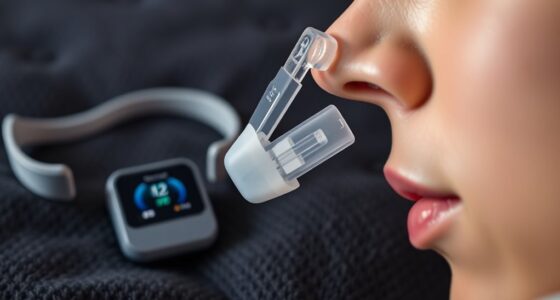

To beat jet lag faster, use sleep tech like wearable devices that track your sleep patterns and recommend personalized routines. Combine this with strategic light exposure—bright morning light for eastward travel or afternoon light for westward trips—to reset your internal clock. Prepare by adjusting your sleep schedule before departure and optimize your sleep environment with blackout curtains and cool temperatures. Stay hydrated, avoid caffeine and alcohol, and consider light exercises. For more tips, explore how these strategies can quickly realign your body’s rhythm.

Get health and wellness essentials delivered free — and shop member deals
- Fast, free delivery on millions of items
- Access to Prime Big Deal Days deals on October 6–7
- Prime Video, Amazon Music and more included
Key Takeaways
- Use wearable sleep trackers and circadian-friendly lighting devices to monitor sleep patterns and optimize exposure for quicker adjustment.
- Strategically expose yourself to bright morning light when traveling east and afternoon light when traveling west to reset your internal clock.
- Gradually shift sleep and wake times 2-3 days before travel to align with the destination’s schedule.
- Create a dark, cool, quiet sleep environment using blackout curtains and sleep masks during travel and upon arrival.
- Incorporate hydration, light exercise, and proper nutrition to support your body’s natural adaptation processes.
wearable sleep tracker for jet lag
As an affiliate, we earn on qualifying purchases.
As an affiliate, we earn on qualifying purchases.
Understanding the Science Behind Jet Lag
Jet lag occurs when your internal body clock, or circadian rhythm, gets out of sync with the new time zone you’ve traveled to. Your circadian rhythm is a natural 24-hour cycle that regulates sleep, alertness, and other bodily functions. When you cross time zones, this rhythm struggles to adjust immediately, causing fatigue, insomnia, and disorientation. Hormonal regulation, particularly of melatonin and cortisol, plays a key role in this process. Melatonin signals your body that it’s time to sleep, while cortisol promotes alertness. Jet lag disrupts their normal patterns, making it harder to fall asleep or stay awake at appropriate times. Understanding this biological mechanism helps you see why your body needs time—or assistance—to realign with the new schedule.
As an affiliate, we earn on qualifying purchases.
Cutting-Edge Sleep Tech for Faster Adjustment
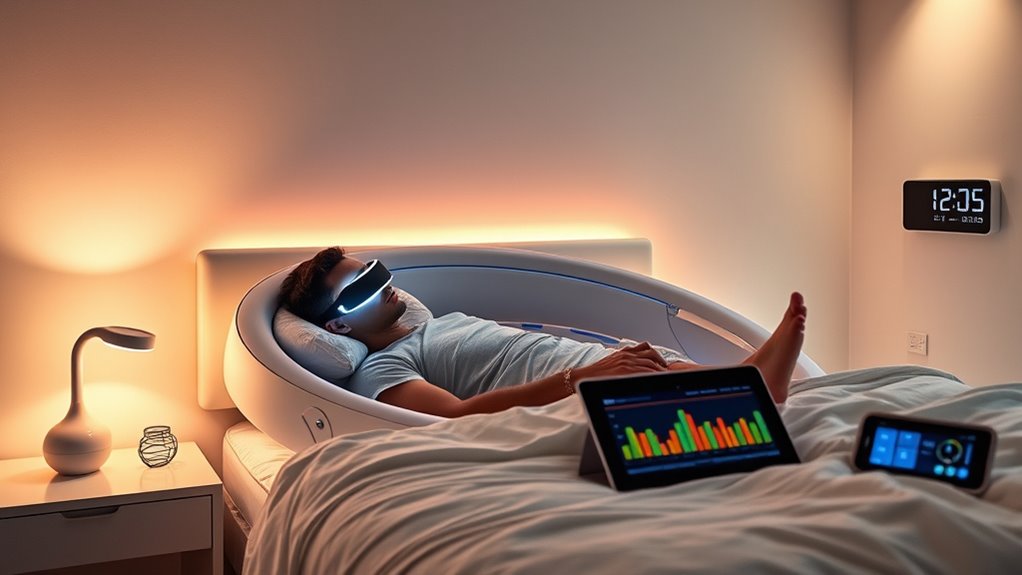
Advancements in sleep technology are now offering practical solutions to help your body adjust more quickly after crossing time zones. Smart sleep devices and wearable monitoring tools enable you to track your sleep patterns and detect disruptions caused by jet lag. These gadgets provide real-time data, allowing you to optimize your sleep schedule and create personalized strategies for faster adjustment. Wearable monitors can measure sleep quality, duration, and your body’s responses, giving you insights to fine-tune your routines. Some devices even sync with apps that recommend ideal sleep times, light exposure, or relaxation techniques based on your current state. By leveraging this cutting-edge sleep tech, you can accelerate your internal clock reset and reduce jet lag symptoms more effectively. Additionally, understanding your sleep environment can further enhance your adjustment process, ensuring that your surroundings support restful sleep during travel. Optimizing your light exposure during travel can also significantly influence how quickly your internal clock aligns with the new time zone. Incorporating personalized sleep strategies based on your data can significantly improve your recovery time and overall well-being during travel. Research shows that sleep tracking technology can improve sleep quality and help you adapt faster, making it a valuable tool for travelers. Exploring natural sleep aids may also complement technological solutions and further ease your adjustment period.
As an affiliate, we earn on qualifying purchases.
Strategic Light Exposure to Reset Your Body Clock
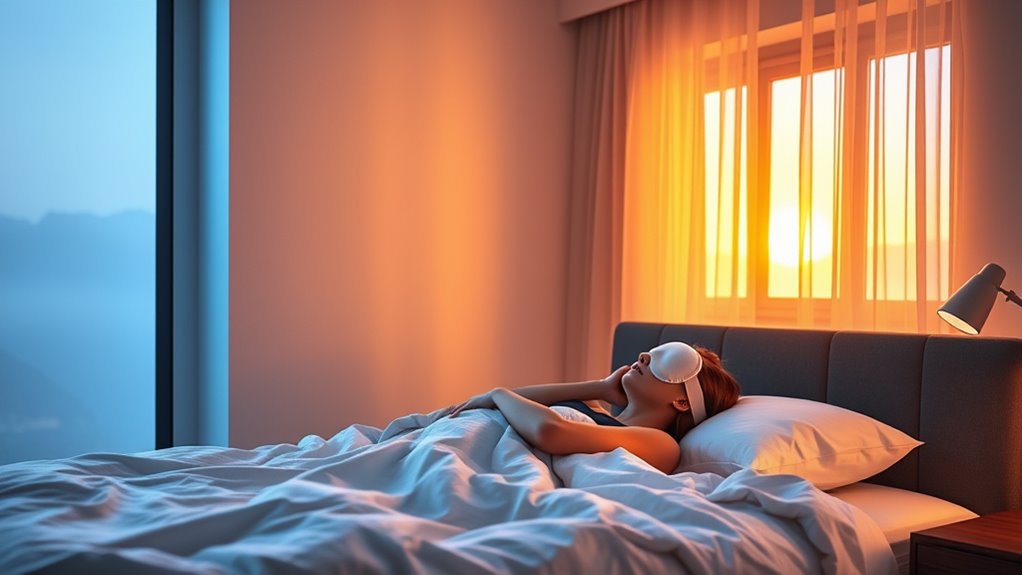
Strategic light exposure is one of the most effective ways to realign your internal clock after crossing time zones. By using light therapy at specific times, you can influence your circadian rhythm to match your destination’s schedule. Bright light in the morning helps reset your body’s clock if you arrive in a new time zone ahead of your usual wake time, promoting alertness and early sleep. Conversely, exposure to light in the evening can delay your circadian rhythm if you arrive late at night. Planning your light exposure carefully accelerates adjustment, reducing jet lag symptoms. Consistent and strategic light exposure helps your body adapt faster, making it easier to fall asleep and wake up at appropriate local times. Light therapy is a practical method for managing your internal clock during travel, especially when combined with other sleep tech strategies. Additionally, understanding your circadian rhythm can help you better time your light exposure for optimal results. Incorporating personalized light schedules based on your travel itinerary can further enhance your adjustment process. Tailoring your light exposure to your specific schedule minimizes the disruption to your natural biological clock, making the adjustment smoother.
As an affiliate, we earn on qualifying purchases.
Optimizing Sleep Environment During Travel

To get quality sleep during travel, you need to create an environment that minimizes disruptions and promotes rest. Portable blackout curtains are a game-changer, blocking out unwanted light from hotel windows or airplane cabins. They help simulate a dark, cozy space, making it easier to fall asleep regardless of the time or location. Additionally, using a travel sleep mask can further improve your sleep quality by covering your eyes and blocking out residual light, especially when external sources can’t be controlled. Keep your sleep environment cool and quiet, and consider earplugs if noise is an issue. Heat distribution can impact sleep comfort, so maintaining a consistent temperature is beneficial. By adjusting your surroundings with these simple tools, you set yourself up for more restful sleep, helping your body adapt faster to new time zones and beat jet lag more effectively. Ensuring your sleep environment is optimal is essential for supporting your body’s internal clock during travel. Incorporating sleep-promoting tools can significantly enhance your ability to rest well away from home. Using portable temperature control devices can also help maintain a comfortable environment, further supporting your sleep quality. Regularly maintaining your air purifier can improve indoor air quality, creating a cleaner, healthier sleep space.
Nutritional Tips and Supplements to Combat Fatigue
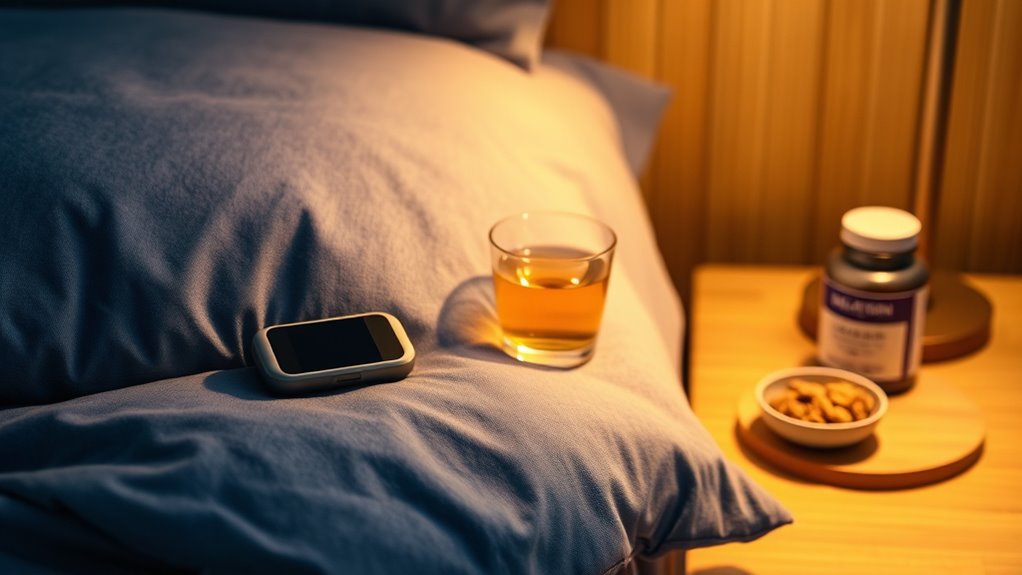
Eating nutrient-rich foods and choosing the right supplements can considerably boost your energy levels and help you fight fatigue during travel. Incorporate foods high in vitamins, minerals, and antioxidants, like fruits, vegetables, and nuts, to support your body’s recovery and alertness. Focusing on nutritional quality can optimize your body’s ability to adapt to new time zones. Additionally, incorporating hydration strategies can prevent dehydration-related fatigue. Supplements such as melatonin can ease your sleep cycle adjustments, while adaptogenic herbs like ashwagandha or rhodiola help your body manage stress and boost energy. Using trusted investment options ensures a secure and transparent approach to enhancing your financial future. Incorporating affiliate disclosure practices can also help you make informed decisions about supplement purchases. Additionally, selecting quality supplements from reputable sources can maximize their effectiveness and safety. Use the table below to visualize key options:
| Supplement/Tip | Benefits | Best Use Timing |
|---|---|---|
| Melatonin supplements | Regulate sleep-wake cycle | Before bedtime or flight |
| Adaptogenic herbs | Reduce fatigue and stress | Morning or early afternoon |
| Hydration | Maintain energy and focus | Throughout travel |
| Balanced diet | Support overall vitality | Meals during travel |
| Avoid caffeine late | Prevent disrupting sleep cycle | Late afternoon/evening |
Practical Routine Changes Before and After Flying

Before your flight, start adjusting your sleep schedule to match your destination’s time zone. During and after your trip, manage your light exposure and stay active to help reset your internal clock. Don’t forget to stay hydrated, which can make a big difference in how quickly you recover. Incorporating outdoor exposure during the day can further support your body’s natural circadian rhythm and speed up adaptation. Using sleep trackers to monitor your sleep patterns can provide valuable insights into your adjustment process and help you optimize your routine. Implementing smart lighting with circadian support features can enhance your exposure to appropriate light levels and improve your adjustment speed. Utilizing energy-efficient cloud solutions to plan and track your routine changes can also enhance your recovery process.
Adjust Sleep Schedule Early
Adjusting your sleep schedule early can make a significant difference in how smoothly you shift across time zones. Start your pre-flight planning by gradually adjusting your sleep times closer to your destination’s schedule a few days before departure. Review your travel itinerary to identify ideal windows for adjusting your internal clock. This proactive approach helps your body adapt more easily once you arrive. Consider these tips:
- Shift bedtime and wake time in 15-30 minute increments each day leading up to your trip
- Prioritize consistent sleep routines, even on days off
- Use short naps strategically to bridge adjustment gaps without disrupting nighttime sleep
Manage Light Exposure Carefully
Have you considered how light exposure can influence your body’s internal clock during travel? Managing light carefully can help reset your circadian cues more effectively. Use light therapy to expose yourself to bright light at strategic times, such as morning light to advance your clock or evening light to delay it. When traveling east, seek morning sunlight; for westward trips, get afternoon light. Avoid bright screens and artificial light during times when your body expects darkness, helping your internal clock stay aligned. By controlling light exposure before and after your flight, you signal your brain when to wake and sleep, easing the transition. This targeted approach speeds up adjustment and reduces jet lag symptoms.
Stay Hydrated and Active
Staying well-hydrated and keeping active can considerably ease your jet lag recovery. Proper hydration strategies help prevent dehydration caused by dry airplane cabins and support your body’s adjustment to new time zones. Physical activity, even light stretching or walking, boosts circulation and reduces fatigue. Before your flight, drink plenty of water and avoid alcohol or caffeine, which can dehydrate you. After arriving, engage in gentle physical activity to signal your body it’s daytime. Consider these tips:
- Carry a refillable water bottle and sip regularly throughout your journey
- Incorporate light exercises or walks during layovers or upon arrival
- Use stretching routines to keep blood flowing and reduce stiffness
When to Seek Medical Advice for Severe Jet Lag
If your sleep problems last beyond a few weeks or worsen, it’s time to see a doctor. Severe physical symptoms like constant fatigue, headaches, or digestive issues also warrant medical attention. Don’t ignore these signs—they could indicate a more serious underlying problem.
Persistent Sleep Difficulties
Persistent sleep difficulties after travel may signal that your jet lag isn’t just temporary. If your sleep problems last more than a week, it’s time to contemplate seeking medical advice. You might find that poor sleep persists despite practicing good sleep hygiene and relaxation techniques. Chronic issues can impact your daily functioning and overall health.
Signs you should see a healthcare professional include difficulty falling asleep, frequent awakenings, or feeling unrefreshed despite adequate sleep efforts. Addressing these concerns early can prevent long-term sleep issues. Remember, a specialist can evaluate underlying causes and recommend tailored treatments to help reset your internal clock more effectively. Don’t ignore persistent sleep problems—they’re a sign your body needs additional support.
Severe Physical Symptoms
While sleep difficulties after travel can often be managed with proper rest and routine adjustments, some symptoms signal a more serious issue. If you experience severe physical symptoms like chest pain, fainting, or persistent confusion, seek medical advice immediately. These signs could indicate underlying health problems or adverse reactions requiring urgent attention. Additionally, intense psychological impacts such as overwhelming anxiety or depression might need professional support. Medication management may be necessary to address these severe symptoms and prevent complications. Ignoring such signs can worsen your condition or mask other serious health issues. Trust your instincts—if symptoms feel abnormal or worsening, don’t hesitate to consult a healthcare provider to ensure proper treatment and recovery.
Frequently Asked Questions
Can Meditation or Relaxation Techniques Shorten Jet Lag Recovery?
Yes, meditation and relaxation techniques can help shorten your jet lag recovery. Practicing mindfulness and breathing exercises calms your mind, reduces stress, and promotes better sleep, which is essential when adjusting to a new time zone. Incorporate these practices into your routine before and after your flight to reset your internal clock faster. They can improve your overall comfort, making it easier to adapt to local schedules and feel more energized.
Are There Specific Sleep Apps Proven to Help Adjust to New Time Zones?
Think of sleep apps as your personal GPS for your internal clock. Some apps with sleep tracking features, like Sleep Cycle or Timeshifter, are proven effective at helping you adjust to new time zones faster. They analyze your sleep patterns and suggest ideal light exposure and sleep times. While effectiveness varies, these apps can be valuable tools in your jet lag recovery toolkit, guiding you through the fog of time zone changes.
How Does Hydration Impact Jet Lag Severity and Recovery?
Hydration levels markedly impact how quickly you recover from jet lag. Staying well-hydrated helps maintain electrolyte balance, preventing symptoms like fatigue and headaches. Drinking plenty of water before, during, and after your flight supports your body’s natural adjustment process, reducing jet lag severity. Avoid alcohol and caffeine, which can dehydrate you. Proper hydration ensures your internal clock resets more smoothly, helping you feel better and adapt faster to your new time zone.
Can Certain Clothing or Accessories Aid in Regulating Body Temperature During Travel?
Wearing climate controlled clothing or a wearable temperature device can help you regulate your body temperature during travel. These accessories adapt to your needs, keeping you warm or cool as required, which minimizes discomfort and supports better sleep. By maintaining a consistent body temperature, you can reduce jet lag symptoms and feel more refreshed upon arrival. Investing in these tech-savvy clothing options makes your travel more comfortable and helps your internal clock adjust faster.
Is It Effective to Use Melatonin Supplements Long-Term for Jet Lag Prevention?
Using melatonin supplements long-term can be risky. While melatonin safety is generally good for short-term use, relying on it daily might lead to supplement dependence, making your body less capable of producing its own melatonin. This could disrupt your natural sleep cycle and cause more harm than good. For effective jet lag prevention, it’s better to use melatonin occasionally and explore other natural sleep strategies.
Conclusion
By harnessing the latest sleep tech, smart light exposure, and simple routine tweaks, you can turn jet lag from a relentless storm into a manageable breeze. Think of your internal clock as a delicate dance—adjust it gently, and you’ll be back to feeling like yourself in no time. With these strategies, you’re not just surviving your travels; you’re mastering them, guiding your body homeward with confidence and ease.
Fall Picks
fall essentials
As an affiliate, we earn on qualifying purchases.