
TL;DR
Young adults from Gen Z and Millennials are adopting hobbies traditionally associated with older generations. This trend reflects a shift toward mindfulness, authenticity, and stress relief. Experts see it as a response to modern pressures and a search for meaningful activities.
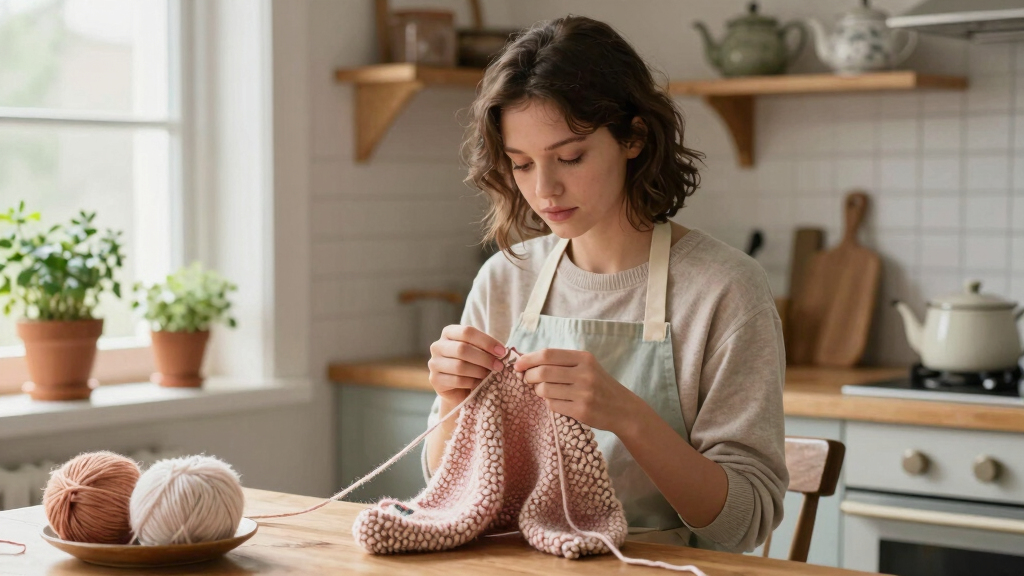
Gen Z and Millennials are increasingly engaging in traditional ‘grandma hobbies’ such as knitting, baking, and gardening, according to recent social media trends and surveys. This shift reflects a desire for relaxation, authenticity, and stress relief amid modern pressures, marking a notable change in leisure preferences for younger generations.
Multiple studies and social media analyses indicate that hobbies historically associated with older generations are gaining popularity among younger adults. Platforms like TikTok and Instagram feature videos of young people knitting, baking sourdough bread, and tending to houseplants, highlighting a cultural shift. Experts suggest that this trend is driven by a search for mindfulness and authenticity, as well as a reaction against digital fatigue and fast-paced lifestyles. Market research firm NPD Group reports an increase in sales of knitting supplies and gardening tools among consumers aged 18-34. Psychologists note that these hobbies promote mental health benefits, such as reduced anxiety and increased focus, which are particularly appealing to younger demographics facing economic and social uncertainties.Implications of the Hobby Revival for Young Adults
This trend signifies a broader shift toward valuing simplicity, self-care, and genuine experiences among Gen Z and Millennials. It challenges stereotypes that young people only pursue digital or high-energy activities, highlighting a desire for meaningful, tangible engagement. The rise of ‘grandma hobbies’ may influence consumer markets, mental health approaches, and cultural norms around leisure, emphasizing the importance of relaxation and authenticity in modern life.knitting starter kit for beginners
As an affiliate, we earn on qualifying purchases.
As an affiliate, we earn on qualifying purchases.
Rise of Mindfulness and Authenticity in Youth Culture
Over the past few years, there has been a growing emphasis on mental health awareness among young adults, with many seeking ways to disconnect from digital stressors. The COVID-19 pandemic accelerated this trend, prompting a reevaluation of leisure activities. Social media has played a key role in popularizing traditional hobbies, with influencers showcasing knitting, baking, and gardening as accessible and rewarding pursuits. Market data from 2022 and 2023 shows increased sales of craft supplies and gardening equipment among younger consumers. Experts note that these hobbies offer a sense of accomplishment and nostalgia, which resonate with the current cultural climate focused on well-being and authenticity.“Engaging in these traditional hobbies provides young adults with a tangible way to reduce stress and reconnect with themselves in an increasingly digital world.”
— Dr. Lisa Chen, Psychologist specializing in youth mental health
As an affiliate, we earn on qualifying purchases.
What Still Needs Clarification About the Trend
It is not yet clear whether this hobby revival will lead to lasting lifestyle changes or remain a temporary trend driven by social media influence. Long-term impacts on mental health and consumer behavior are still being studied, and some experts question if this shift will significantly alter traditional gender roles or cultural perceptions of aging.gardening tools set for small spaces
As an affiliate, we earn on qualifying purchases.
As an affiliate, we earn on qualifying purchases.
Future Developments in Youth Leisure Preferences
Researchers will monitor whether these hobbies continue to grow in popularity and influence broader cultural norms. Market analysts expect ongoing sales increases in craft and gardening supplies, while mental health advocates may promote these activities as part of wellness programs. Social media platforms will likely play a key role in shaping the evolution of this trend, with potential new influencers and community groups emerging.As an affiliate, we earn on qualifying purchases.
Key Questions
Why are young people turning to traditional hobbies like knitting and gardening?
Many young adults seek activities that promote relaxation, mindfulness, and a sense of accomplishment, especially in response to digital fatigue and social pressures. These hobbies also offer authenticity and nostalgia, which resonate with current cultural values.
Is this trend driven mainly by social media influence?
Social media platforms like TikTok and Instagram have played a significant role in popularizing these hobbies, with influencers showcasing their projects and encouraging participation. However, underlying motivations include mental health benefits and a desire for genuine experiences.
Will this hobby trend last beyond 2023?
It remains uncertain whether this will be a lasting lifestyle change or a temporary fad. Ongoing market data and social media activity suggest continued interest, but long-term adoption depends on broader cultural shifts and individual preferences.
How are mental health professionals responding to this trend?
Many mental health experts view these hobbies as positive coping strategies that can reduce anxiety and improve well-being. Some advocate integrating such activities into wellness programs for young adults.
Are these hobbies influencing consumer markets?
Yes, there has been a noticeable increase in sales of craft supplies, gardening tools, and related products targeted at younger consumers, indicating a shift in leisure spending patterns.
Source: rss