
TL;DR

Get health and wellness essentials delivered free — and shop member deals
- Fast, free delivery on millions of items
- Access to Prime Big Deal Days deals on October 6–7
- Prime Video, Amazon Music and more included
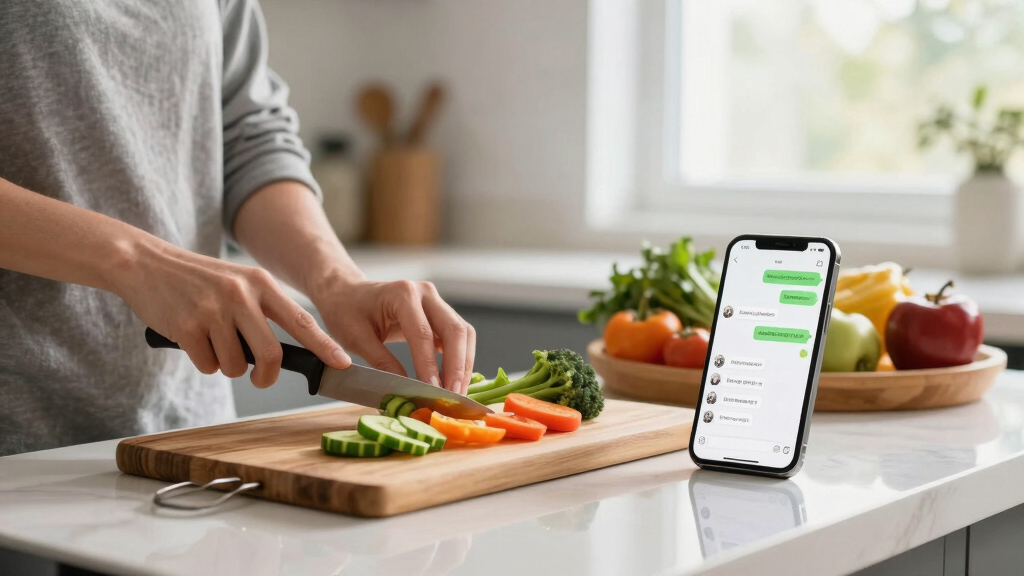
AI chatbots are now providing nutrition advice to users, raising questions about their accuracy and safety. Experts emphasize caution, as the technology is still developing and not a substitute for professional guidance.
AI chatbots are increasingly being used to provide personalized nutrition advice, prompting experts and consumers to question their reliability and safety for health decisions.
Several companies and health apps now incorporate AI chatbots that offer dietary recommendations based on user input. These chatbots analyze data such as age, weight, activity level, and dietary preferences to generate tailored advice. However, health professionals warn that these AI tools are still in early stages and may lack the nuance and accuracy of human nutritionists. The Food and Drug Administration (FDA) has not yet regulated these AI systems for medical or dietary advice, raising concerns about potential misinformation. Some users report positive experiences with AI recommendations, citing convenience and personalized insights, but experts stress that AI advice should not replace consultations with qualified healthcare providers. Researchers are studying the accuracy of these systems, but comprehensive evaluations are ongoing.
Why It Matters
This development matters because many consumers are turning to digital tools for health guidance, especially during a time when personalized nutrition is increasingly popular. Relying on unverified AI advice could lead to nutritional imbalances or health risks. The rise of AI in health advice also raises regulatory questions and highlights the need for clear guidelines to ensure safety and accuracy.
personalized nutrition tracking app
As an affiliate, we earn on qualifying purchases.
As an affiliate, we earn on qualifying purchases.
Background
The use of AI chatbots in health and wellness has grown rapidly over the past two years, with companies marketing these tools as convenient, accessible options for personalized nutrition. Prior to this, professional nutrition advice was primarily delivered by registered dietitians and healthcare providers. The technology draws on large datasets and machine learning algorithms but is not yet subject to strict regulation. Experts have expressed concern about the potential for misinformation, especially as these tools become more integrated into daily health routines.
“AI chatbots can be helpful for general guidance, but they lack the clinical judgment and personalized understanding that a human professional provides.”
— Dr. Lisa Chen, registered dietitian
“We are closely monitoring AI tools that provide health guidance and are considering appropriate regulations to ensure consumer safety.”
— FDA spokesperson
“The technology is promising but still immature; users should be cautious and not rely solely on AI for critical health decisions.”
— Tech analyst Mark Rivera
As an affiliate, we earn on qualifying purchases.
What Remains Unclear
It is still unclear how accurate or safe these AI chatbots are across diverse populations and dietary needs. Regulatory frameworks are in development, and long-term impacts of reliance on AI for health advice remain unknown.
As an affiliate, we earn on qualifying purchases.
What’s Next
Researchers will continue evaluating the accuracy of AI nutrition tools, and regulators are expected to develop guidelines to oversee their use. Consumers are advised to consult healthcare professionals for personalized advice, especially for complex health issues.
professional nutrition consultation
As an affiliate, we earn on qualifying purchases.
As an affiliate, we earn on qualifying purchases.
Key Questions
Can I rely on AI chatbots for my nutrition needs?
While AI chatbots can offer general guidance, they should not replace advice from qualified healthcare professionals, especially for personalized or complex health concerns.
Are AI chatbots regulated by health authorities?
Currently, regulation is limited, and the FDA is considering appropriate oversight. Users should be cautious and verify the credibility of the tools they use.
What are the risks of following AI nutrition advice?
The risks include receiving inaccurate or incomplete information that could lead to nutritional deficiencies or health issues. Always consult a healthcare professional for personalized recommendations.
How accurate are AI chatbots in providing dietary advice?
The accuracy varies depending on the system, and ongoing research aims to assess their reliability. They are generally not as precise as advice from licensed nutritionists.
What should I do if I want to use an AI chatbot for nutrition guidance?
Use AI tools as a supplement, not a substitute, for professional advice. Cross-reference recommendations and consult a healthcare provider for personalized health decisions.
Source: NYT · Well
Fall Picks
fall essentials
As an affiliate, we earn on qualifying purchases.