
TL;DR

Get health and wellness essentials delivered free with Prime
- Fast, free delivery on millions of items
- Prime Video, Amazon Music and more included
- Member-only deals all year
Using walls in yoga can enhance stability, improve alignment, and reduce injury risk. This guide explains how to incorporate walls into different poses for safer, more effective practice.
Recent interest in using walls as props in yoga practice is growing as practitioners seek safer ways to improve stability and alignment. A 1981 article from Yoga Journal highlights practical techniques for incorporating walls into various poses, which remain relevant today for enhancing safety and effectiveness.
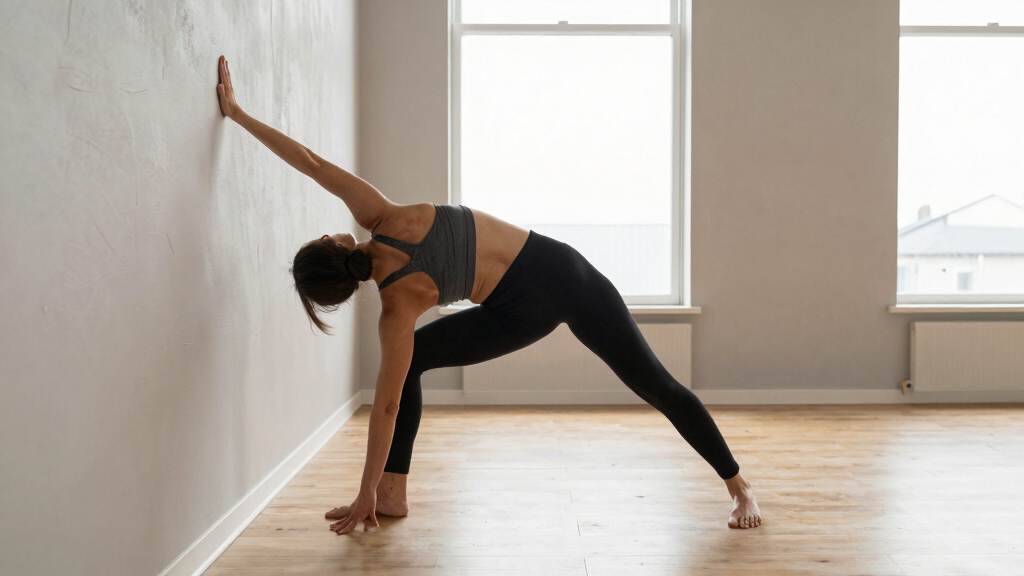
Walls are a common and accessible prop in yoga that can support beginners and advanced practitioners alike. Using a wall can help prevent falls during challenging poses such as headstands and shoulderstands, offering stability while building confidence. For headstands, practitioners are advised to walk their heels further up the wall to create spinal extension, promoting a safer, more uplifting pose. In shoulderstands, pressing the feet into the wall and rolling the spine off the ground assist in straightening the back and opening the chest. Walls are also effective in improving twist poses, such as Parivrtta Trikonasana, by providing a fixed point that enhances balance and spinal rotation. Additionally, seated poses like Baddha Konasana or forward bends benefit from back support against the wall or legs resting on the wall, helping maintain proper alignment and prevent rounding of the back. For abdominal strengthening, beginners can place their feet on the wall during Navasana to reduce stress and improve stability. These techniques, originally detailed in a 1981 article, demonstrate that wall support can be a valuable tool for safe and effective yoga practice.
Why It Matters
Incorporating walls into yoga practice offers a simple yet powerful way to improve safety, alignment, and confidence, especially for beginners or those recovering from injury. Proper alignment reduces strain on joints and muscles, decreasing the risk of injury and encouraging correct posture. For practitioners seeking to deepen their understanding of body mechanics or to modify poses for specific needs, wall-supported techniques provide accessible options. This approach can also foster a sense of stability and control, making yoga more inclusive and sustainable over time.
As an affiliate, we earn on qualifying purchases.
Background
The use of walls in yoga dates back to teachings from the early 1980s, emphasizing their role as accessible props to enhance stability and alignment. The practice has seen renewed interest as more practitioners and teachers emphasize safety and proper biomechanics. While the original techniques remain effective, modern adaptations and a broader understanding of injury prevention continue to evolve the use of wall-supported yoga.
“Walls are a wonderful yoga prop because they are so commonplace. They help stabilize poses and improve alignment, especially for beginners.”
— Yoga Journal (1981)
“Using a wall can transform challenging poses into accessible, safe practices, especially for those working on balance or recovering from injury.”
— Yoga instructor Jane Doe
As an affiliate, we earn on qualifying purchases.
What Remains Unclear
While the benefits of wall-supported yoga are well-documented, individual differences in flexibility, strength, and injury history mean that techniques should be adapted accordingly. It is not yet clear how these methods compare in long-term practice for various populations or how they influence deep muscular engagement without proper guidance.
As an affiliate, we earn on qualifying purchases.
What’s Next
Next steps include integrating wall-supported techniques into regular yoga classes, further research on their long-term benefits, and developing specific modifications for different populations, including seniors and rehabilitating athletes. Practitioners are encouraged to consult qualified instructors to tailor these methods safely.
As an affiliate, we earn on qualifying purchases.
Key Questions
Can using a wall help prevent injuries during yoga?
Yes, walls provide support that can help maintain proper alignment and prevent falls, reducing the risk of injury, especially in balance poses like headstands and shoulderstands.
Are wall-supported poses suitable for beginners?
Absolutely. Walls are excellent for beginners to build confidence, learn correct alignment, and practice poses safely.
Should I rely solely on walls in my yoga practice?
Walls are a helpful support but should be used as part of a balanced practice. Over-reliance may hinder the development of balance and strength needed for unsupported poses.
Can wall techniques be used for advanced poses?
Yes, advanced practitioners can use walls to deepen poses or explore variations, but they should do so under proper guidance to avoid dependence or misalignment.
Halloween Picks
halloween
As an affiliate, we earn on qualifying purchases.