
TL;DR

Get health and wellness essentials delivered free with Prime
- Fast, free delivery on millions of items
- Prime Video, Amazon Music and more included
- Member-only deals all year
As daylight decreases in fall and winter, people with seasonal affective disorder may experience recurring depression, but researchers have not identified a single cause. Studies are examining how sensitivity to blue light could be involved; light therapy, medication and cognitive behavioral therapy are among the treatment options described by clinicians.
As fall and winter daylight decreases, people prone to seasonal affective disorder (SAD) can experience recurring episodes of depression, while researchers continue to investigate why. A November 4 report by MedPage Today describes evidence linking differences in the eyes’ response to blue light with winter symptoms, but no single cause of SAD has been identified.
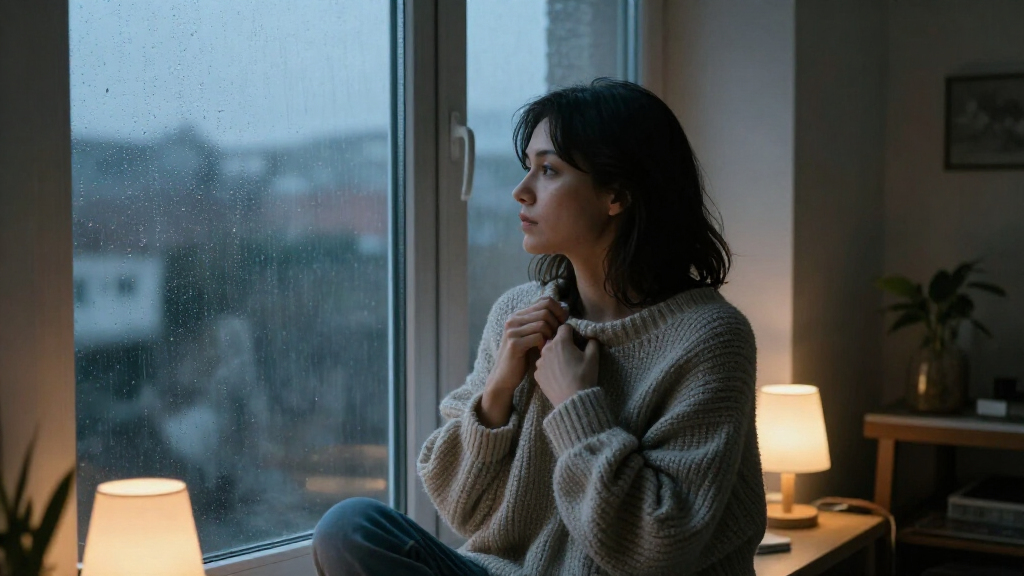
SAD is a pattern of depressive episodes that typically starts in fall and improves in spring or summer. The report says millions of people are estimated to have the disorder. It also describes a milder form, called subsyndromal SAD, and a summer variety of seasonal depression, about which less is known. Symptoms can resemble depression and include persistent hopelessness or pessimism, as well as difficulty concentrating, remembering or making decisions.
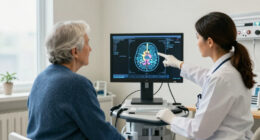
One line of research concerns specialized cells in the eyes that respond to light and send signals affecting mood and alertness. In research led by Kathryn Roecklein, PhD, of the University of Pittsburgh, participants with SAD were, as a group, less sensitive to blue light than people without the disorder, particularly in winter. The finding may point to one possible contributor; it does not establish that reduced blue-light sensitivity causes SAD.
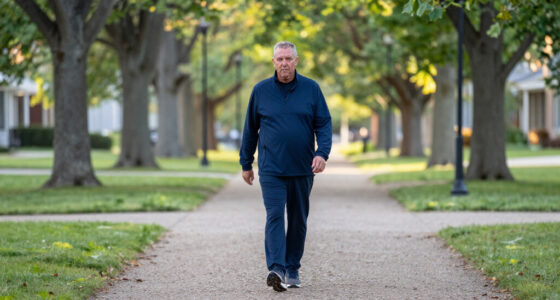
Clinicians cited by MedPage Today describe several treatment approaches. Morning light therapy typically uses a device delivering about 10,000 lux for 30 minutes, while antidepressant medication is also described as a first-line treatment. Cognitive behavioral therapy (CBT), keeping a regular sleep schedule and walking outdoors are other options. Individual treatment decisions should be discussed with a qualified health professional.
How Seasonal Symptoms Are Treated
Seasonal depression can affect mood, concentration and everyday functioning during months when daylight is limited. The report matters because it pairs an evolving account of possible biological mechanisms with practical treatment options, while making clear that the cause is not settled. People who notice a recurring pattern can discuss symptoms with a clinician rather than assuming that winter changes alone explain them.
Light therapy may help some people, but the report cautions that products sold for SAD vary in brightness. It cites devices producing roughly 10,000 lux and use for 30 minutes each morning as the research-supported approach described by the clinicians. The benefits can fade after a person stops using the light, according to the report. CBT may have more durable effects, but treatment response can vary.
Products Worth Considering

BowFlex Results Series SelectTech Adjustable Dumbbells (Pair)

Bowflex SelectTech 840 Adjustable Kettlebell

Philips Sonicare ProtectiveClean 5300 Rechargeable Electric Toothbrush, Black, with 3 Brush Heads
As an affiliate, we earn on qualifying purchases.
From SAD’s Description to Current Research
Norman Rosenthal, MD, then a researcher at the National Institutes of Health, led the team that first described SAD and coined the term in 1984. The report says the condition affects more women than men, citing the NIH. Seasonal episodes are generally associated with fall and winter, though the report notes that seasonal depression can also occur in summer.
The timing of the report coincides with the return to standard time across much of the United States on the Sunday before publication, which brought darker afternoons. That clock change can alter the timing of daylight exposure, but the report presents it as one possible trigger for people susceptible to seasonal symptoms, not as a cause for everyone. Scientists are still studying how light signals interact with mood and alertness.
“I believe that because it is easy to remember, the acronym has stuck.”
— Norman Rosenthal, MD, who led the team that described SAD
What Researchers Have Not Established
No single cause of SAD has been identified, and the reported difference in blue-light sensitivity is an association that suggests a possible explanation, not proof of cause and effect. The report does not provide details about the study’s size or enough information to judge how broadly its finding applies. It also says less is known about summer seasonal depression.
People’s symptoms and responses to treatment can differ. The report does not establish that daylight changes or the return to standard time will trigger depression in everyone, nor does it provide a universal treatment plan. The appropriate care for a particular person depends on clinical assessment.
How Research and Care May Develop
Researchers are continuing to study how light-sensitive eye cells send signals that affect alertness and mood, including why people with SAD may respond differently to blue light in winter. The report does not give a timeline for further findings. People concerned about recurring seasonal symptoms can speak with a health professional about assessment and treatment options.
For those considering light therapy, the report points to Yale’s tested-product recommendations and the nonprofit Center for Environmental Therapeutics’ consumer guide. It also advises people diagnosed with SAD to ask their insurer whether a light device may be covered. Clinicians cited in the report recommend maintaining a regular sleep schedule and planning manageable, enjoyable activities, such as meeting a friend for coffee.
Key Questions
What is seasonal affective disorder?
SAD is a recurring pattern of depression that typically begins in fall and eases in spring or summer. Symptoms can resemble depression, including persistent hopelessness and difficulty concentrating.
Do shorter days cause SAD?
Reduced daylight may be a trigger for people prone to seasonal depression, but researchers have not identified one cause. A reported difference in blue-light sensitivity is a possible contributor, not proof that it causes SAD.
What light therapy approach does the report describe?
The report describes morning use of a bright-light device providing about 10,000 lux for 30 minutes. Device choice and treatment should be discussed with a qualified health professional; products marketed for SAD can differ in brightness.
What other treatments may help?
The report identifies antidepressant medication and CBT as treatment options, alongside light therapy. Clinicians also recommend a regular sleep schedule and outdoor walks. A health professional can help determine appropriate care.
Source: medpagetoday.com