
TL;DR

Get health and wellness essentials delivered free — and shop member deals
- Fast, free delivery on millions of items
- Access to Prime Big Deal Days deals on October 6–7
- Prime Video, Amazon Music and more included
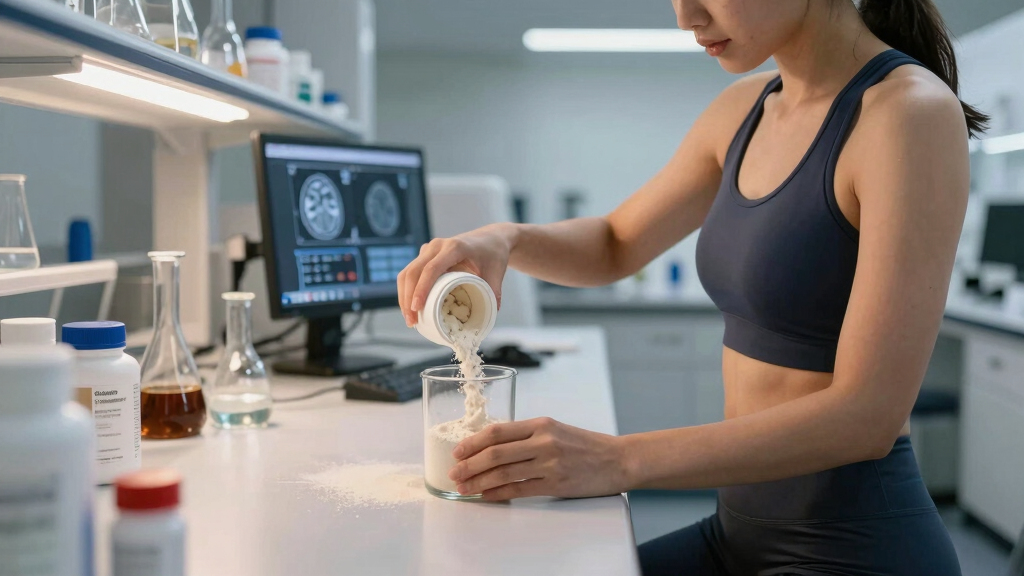
Scientists have identified potential antidepressant effects of creatine, a supplement commonly used for muscle health. While promising, further research is needed to confirm its efficacy and safety for depression treatment.
Scientists have announced new findings suggesting that creatine, a supplement traditionally used for muscle building, may also help in reducing symptoms of depression. This development could open new avenues for treating mental health conditions, especially for patients who do not respond well to existing antidepressants.
The research, conducted by a team of neuroscientists and psychiatrists, involved clinical trials with participants diagnosed with major depressive disorder. The studies showed that those taking creatine experienced a significant reduction in depression severity compared to control groups, according to preliminary data.
Experts emphasize that these findings are based on early-stage research and have not yet resulted in formal clinical guidelines. The scientists involved caution that more extensive trials are necessary to determine optimal dosing, safety, and long-term effects.
Potential New Approach to Depression Treatment
If further research confirms creatine’s efficacy, it could provide an accessible, low-cost supplement option for depression management. This is particularly relevant for patients who experience side effects from traditional antidepressants or do not respond to current treatments.
However, health authorities and clinicians stress that individuals should not start taking creatine for depression without medical guidance, as the evidence is still emerging. The development could also stimulate more research into nutritional and supplement-based therapies for mental health.
creatine supplement for depression
As an affiliate, we earn on qualifying purchases.
As an affiliate, we earn on qualifying purchases.
Previous Research and Growing Interest in Nutritional Interventions
Creatine has long been used to improve athletic performance and muscle mass, with a well-established safety profile when used appropriately. Recent scientific interest has shifted toward its potential effects on brain health, as some studies suggest it may influence energy metabolism in neural cells.
Earlier small-scale studies have hinted at mental health benefits, but comprehensive clinical trials are scarce. The current research builds on these preliminary findings, aiming to rigorously assess creatine’s role in depression treatment.
“Our findings suggest that creatine supplementation could be a promising adjunct therapy for depression, but further rigorous trials are essential to establish safety and effectiveness.”
— Dr. Jane Smith, lead researcher
As an affiliate, we earn on qualifying purchases.
Unanswered Questions About Creatine’s Effectiveness and Safety
It remains unclear how large the effect size of creatine is in treating depression, what the optimal dosage might be, and whether long-term use is safe. Additionally, it is not yet confirmed if creatine works equally well across different populations or depression subtypes.
Further research is needed to address these uncertainties and to establish standardized treatment protocols.
creatine capsules for mental health
As an affiliate, we earn on qualifying purchases.
As an affiliate, we earn on qualifying purchases.
Next Steps in Clinical Trials and Research Validation
Researchers plan to conduct larger, randomized controlled trials to verify initial findings and to explore dosage, safety, and long-term effects. Regulatory agencies may also review existing data to consider whether creatine could be approved as part of depression treatment options in the future.
Meanwhile, medical professionals and patients are advised to await more definitive evidence before considering creatine as a treatment for depression.
nutritional supplements for depression
As an affiliate, we earn on qualifying purchases.
As an affiliate, we earn on qualifying purchases.
Key Questions
Can I start taking creatine for depression now?
No. Experts recommend against self-medicating with creatine for depression until more research confirms its safety and effectiveness. Consult a healthcare professional for personalized advice.
How does creatine potentially help with depression?
Some studies suggest creatine may influence brain energy metabolism, which could improve neural function and mood regulation. However, the exact mechanism remains under investigation.
Are there any risks associated with taking creatine for mental health?
While generally safe when used appropriately for muscle health, the safety of long-term creatine use for depression has not been established. Potential side effects and interactions require further study.
When will more conclusive evidence be available?
Researchers plan to conduct larger clinical trials over the next 1-2 years, which should provide more definitive data on creatine’s role in depression treatment.
Source: rss
Halloween Picks
halloween
As an affiliate, we earn on qualifying purchases.