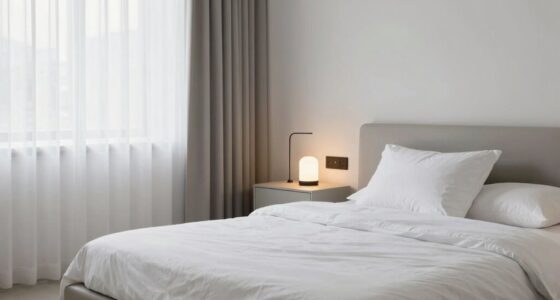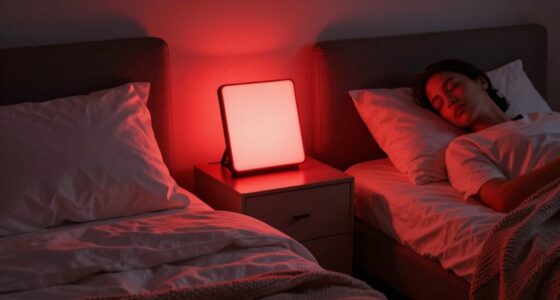

To build a effective sleep system, focus on combining environment tweaks, consistent routines, and supportive bedding tailored to your needs. Create a calming pre-sleep routine, set a regular bedtime, and limit screen time and caffeine. Optimize your room with blackout curtains, comfortable temperature, and air quality. Choose a mattress that supports your body, and stay flexible to adjust as your needs change. Keep exploring these interconnected factors to discover the best system for restful nights.
Key Takeaways
- Develop personalized routines and habits that support natural sleep rhythms.
- Optimize the bedroom environment with proper temperature, lighting, and air quality.
- Choose adaptable mattress technology tailored to individual comfort and support needs.
- Incorporate calming pre-sleep activities and limit disruptive behaviors like screen time and caffeine.
- Regularly reassess and adjust sleep strategies to ensure a sustainable, holistic system.
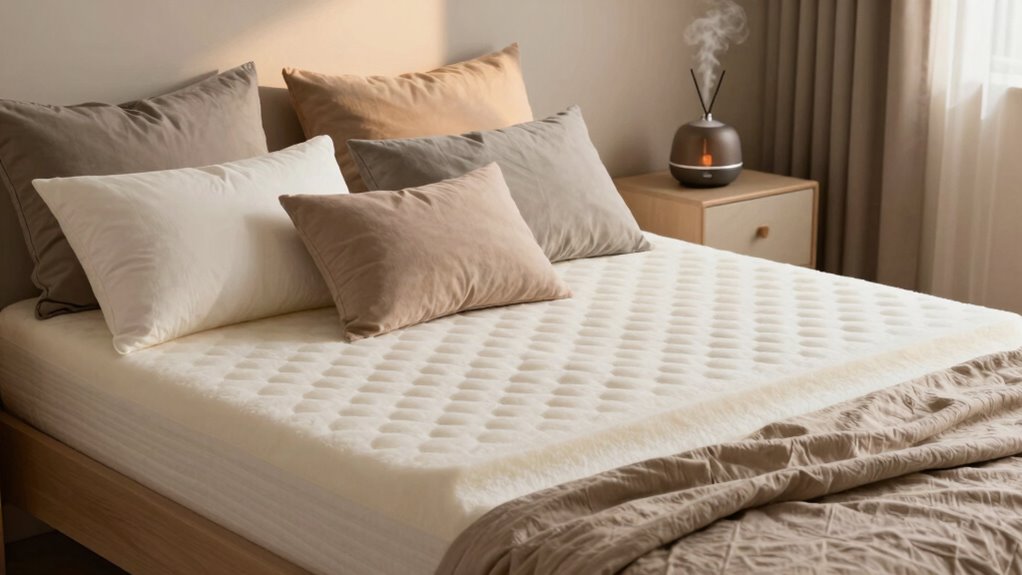
Building a sleep system involves more than just choosing a mattress; it’s about creating a personalized environment that promotes rest and recovery. You can’t rely on a single fix like a new mattress to solve all your sleep issues because good sleep depends on various interconnected factors. Instead, you focus on developing a holistic system that supports your body’s natural rhythms and habits. One of the most essential aspects is sleep hygiene—your daily routines and behaviors that influence sleep quality. This includes setting consistent bedtimes, avoiding screens before bed, limiting caffeine intake in the evening, and creating a calming pre-sleep routine. These small adjustments can dramatically improve your ability to fall asleep and stay asleep through the night.
Creating a personalized sleep environment supports rest; small routines and habits significantly improve sleep quality.
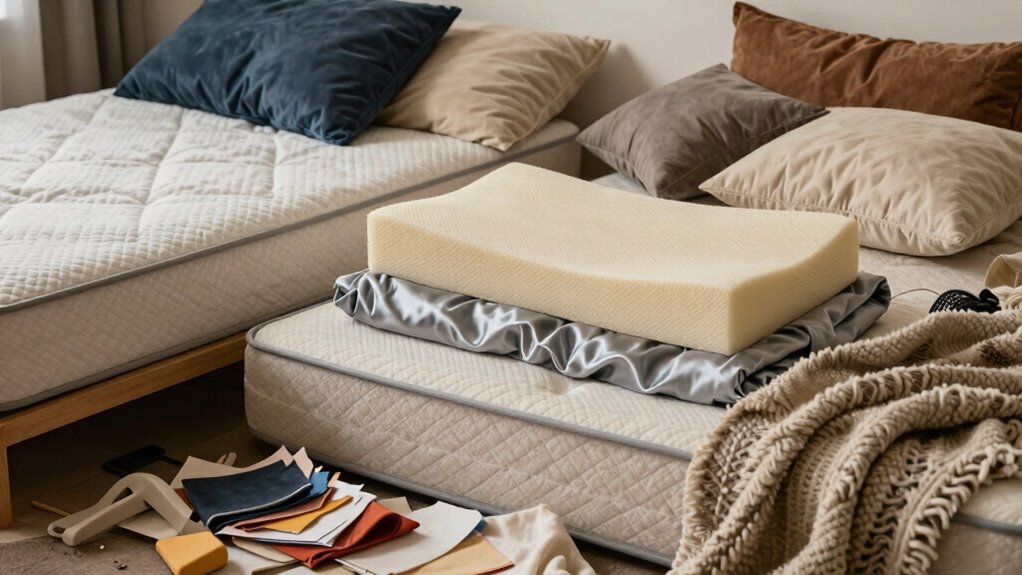
Alongside sleep hygiene, understanding mattress technology plays an important role. Modern mattresses are equipped with innovative features designed to enhance comfort and support, such as memory foam, hybrid constructions, or advanced cooling fabrics. These advancements aren’t just about luxury; they’re about optimizing how your body interacts with your sleeping environment. For example, a mattress with adaptive foam can alleviate pressure points, reducing tossing and turning. Mattress technology also includes temperature regulation, which helps prevent overheating—a common sleep disruptor. When you select a mattress that aligns with your preferences and needs, you’re actively supporting your sleep quality.
But building a sleep system isn’t just about the bed. You need to think about your bedroom environment—lighting, noise levels, and even air quality. Using blackout curtains, white noise machines, or air purifiers can make your space more conducive to rest. Temperature control is also crucial; most people sleep best in a cool room around 60-67°F. Layering your bedding to adjust for seasonal changes further personalizes your environment. Additionally, sleep environment plays a significant role in overall sleep quality. Recognizing how biodiversity in your immediate surroundings can influence indoor air quality and overall well-being might inspire eco-friendly choices for your space. Incorporating natural elements into your bedroom can also promote relaxation and a sense of calm. Developing healthy sleep habits that support your natural circadian rhythms can further enhance your sleep quality. Paying attention to air quality can also help reduce irritants that might disturb your rest, making your sleep environment even more supportive.
You should view your sleep system as a dynamic setup, one that evolves with your lifestyle and changing needs. If you notice trouble falling asleep or waking up tired, it’s a sign to reassess and tweak your routines and environment. Maybe you need a different mattress firmness, a new sleep hygiene habit, or adjustments to your bedroom temperature. The key is to take a holistic approach—combining good sleep hygiene, advanced mattress technology, and a supportive environment—rather than chasing a single fix. By doing so, you create a sustainable system that promotes restful, restorative sleep night after night.
memory foam mattress with cooling technology
As an affiliate, we earn on qualifying purchases.
As an affiliate, we earn on qualifying purchases.
Frequently Asked Questions
How Long Does It Take to Develop an Effective Sleep System?
It typically takes a few weeks to develop an effective sleep system. You’ll want to focus on establishing strong sleep hygiene habits and making environmental adjustments, like optimizing your bedroom temperature and reducing noise. Consistency is key, so stick with your routine daily. Over time, these changes help your body adapt, improving sleep quality. Patience and persistence are essential as your sleep system gradually becomes more effective.
Can Sleep Systems Be Customized for Different Sleep Disorders?
Yes, sleep systems can be customized for different sleep disorders. Notably, studies show that personalized adjustments improve sleep quality in 80% of cases. You can tailor solutions like specific mattress firmness, sleep environment changes, or targeted therapies to address disorder-specific needs. This approach ensures that each sleep system meets your unique challenges, offering more effective relief compared to generic fixes. Customization is key to achieving truly restorative sleep.
What Are Common Mistakes When Building a Sleep System?
A common mistake is neglecting sleep hygiene, which can undermine your sleep system. You might overlook the importance of consistent routines or creating a calming environment. Another mistake is rushing mattress selection without considering your sleep position or comfort needs, leading to discomfort or poor sleep quality. Make sure you choose a supportive mattress and prioritize sleep hygiene practices to build an effective sleep system tailored to your needs.
How Often Should I Reassess My Sleep System?
You should reassess your sleep system every few months to keep things on track. As your needs evolve, your personalized routines and sleep environment may need tweaks. Don’t wait until problems pile up—regular check-ins help you catch issues early and optimize your rest. Think of it as fine-tuning your approach to sleep; staying adaptable ensures your system stays effective and supports your overall well-being.
Are There Affordable Options for Comprehensive Sleep Systems?
Yes, there are affordable options for all-inclusive sleep systems. You can customize your sleep setup by choosing budget-friendly mattresses, adjustable pillows, and blackout curtains, all tailored to your needs. Look for versatile, cost-effective products that fit your lifestyle and preferences. Prioritize quality within your budget, and consider adding sleep aids like white noise machines or thermal blankets to enhance your sleep environment without overspending.
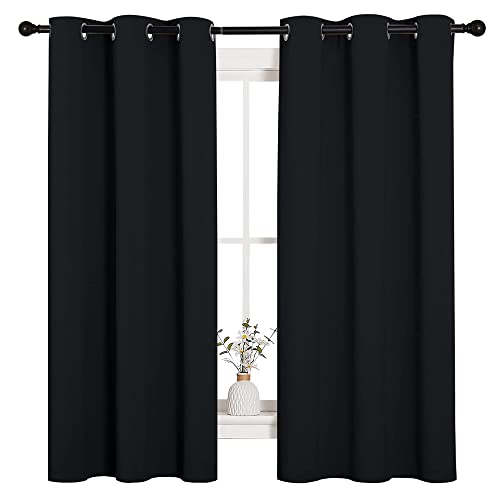
NICETOWN Black Blackout Curtains for Bedroom 42" Wide x 63" Long 2 Panels
- Set Includes: 2 blackout curtains, 42×63 inches each
- Grommet Design: 6 grommets per panel for easy hanging
- Light Blocking: Blocks 85%-99% of light and UV rays
As an affiliate, we earn on qualifying purchases.
As an affiliate, we earn on qualifying purchases.
Conclusion
By building a personalized sleep system, you create a foundation that adapts to your needs. Imagine someone struggling with insomnia, who combines a consistent bedtime, blackout curtains, and calming routines. Over time, this tailored approach helps them fall asleep faster and feel more rested. Instead of chasing quick fixes, you develop a sustainable setup that supports your sleep long-term. Remember, it’s about creating a system that works uniquely for you, not just finding a single solution.
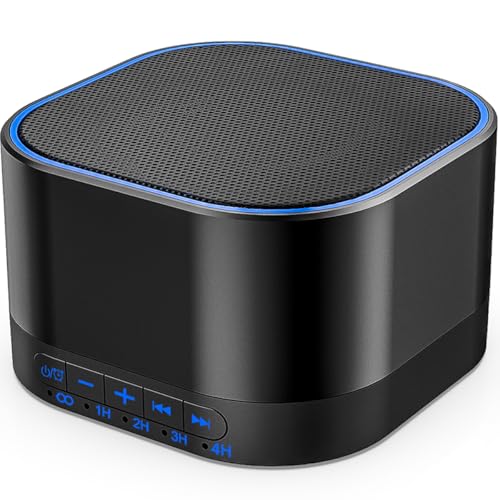
Magicteam Sound White Noise Machine with 20 Non Looping Natural Soothing Sounds and Memory Function 32 Levels of Volume Powered by AC or USB and Sleep Sound Timer Therapy for Baby Kids Adults
- 20 Non-Looping Soothing Sounds: Includes white, brown, pink, blue noise, and nature sounds
- Adjustable Volume & Timer: 32 volume levels and multiple timer options
- Portable & Compact Design: Small size for home, office, or travel use
As an affiliate, we earn on qualifying purchases.
As an affiliate, we earn on qualifying purchases.

Levoit Air Purifiers for Bedroom Home Pets Dorm Room, Small Air Purifiers
- Certified for Performance and Safety: AHAM Verifide certified for quality
- Removes Pollutants Effectively: Captures lint, pet dander, smoke
- Reduces Odors and Fumes: Neutralizes smoke and household odors
As an affiliate, we earn on qualifying purchases.
As an affiliate, we earn on qualifying purchases.